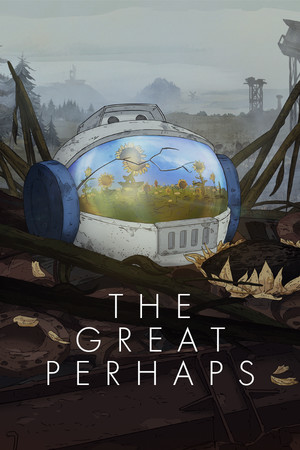
The Great Perhaps
A melancholic two-hour trip through a ruined Earth that gets more right in its atmosphere than its puzzles, worth a look if mood and environmental storytelling matter more to you than mechanical depth.
GamerScout Verdict
Best for atmosphere-first players who can forgive clunky controls and a short, unresolved story in exchange for a haunting dual-timeline world.
Compare Prices(6 stores)
Every store in this table quotes us in euros, so the EUR figure is the price the seller actually set, not our arithmetic — which is why EUR is also the currency we rank in. We only list an offer here when the store gives us its price in euros, so nothing in this table is a number we invented.
Pick USD, PLN, GBP, CAD or AUD in the header and we convert from EUR at the European Central Bank reference rate — converted amounts are prefixed with ~. Your bank or the store may apply a different rate at checkout. We never hide offers based on where you are: everyone sees this whole table.
We may earn a commission when you buy games through links on this page — at no extra cost to you. It never affects our rankings or verdicts.
Price History
Screenshots & Media
About The Great Perhaps
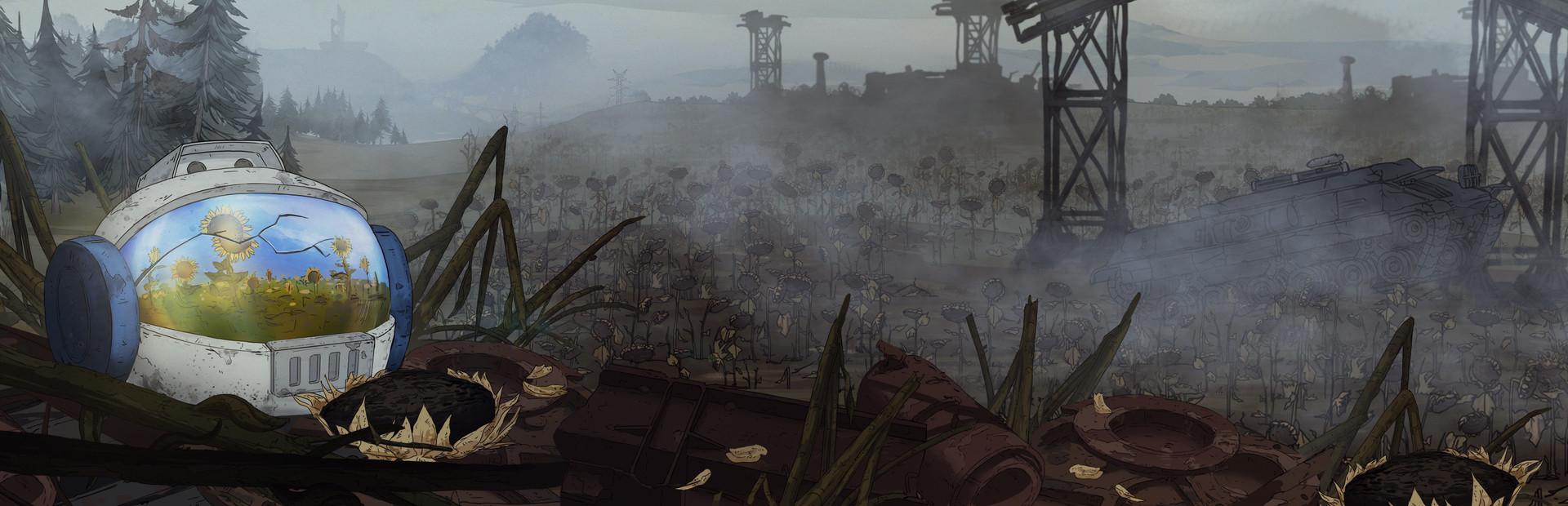
My first impression of The Great Perhaps was that rare feeling of stumbling onto something handcrafted and quietly sincere. Caligari Games, a small Russian studio making their debut, built a 2D side-scrolling puzzle adventure around one genuinely elegant idea: a lantern that lets cosmonaut Kosmos peer into the world as it was, moments before civilisation collapsed. Tap the lantern and the desolate, rubble-strewn present bleeds into a warm, populated past. Hold it down and you physically cross into that past for a short, ticking window of time before you are snapped back. That tug between two realities, the lived-in colour of what was and the grey silence of what remains, is where The Great Perhaps does its best work. The puzzles are built on swapping between timelines to retrieve items, clear obstacles, and occasionally talk people out of terrible decisions. One moment you are bribing a past-era vendor with a bottle of alcohol you pilfered from the ruins; another you are slipping through rubble that simply did not exist before the cataclysm. The sarcastic AI companion L9 tags along and provides most of the game's dry humour. The structure is linear and gentle, closer in spirit to a point-and-click adventure than a demanding platformer. Puzzle solutions are never particularly obscure, and most players will clear the whole thing in under two hours on a first run. There are also pipe-circuit mini-games, a few evasion sequences involving a stalking shadow creature, and sections where time-displaced soldiers bleed into the present as hostile anomalies, adding brief pressure to an otherwise contemplative pace. Where things get complicated is in the execution. The single-item carry limit turns multi-step puzzles into repetitive backtracking. The lantern's timed return to the present can trigger at awkward moments, killing you on debris you could not see coming. Hit detection during time-switches is loose enough that a pixel of misplacement becomes a death. A handful of reviewers flagged bugs where puzzle triggers failed to register, requiring chapter restarts. The voice acting is uneven across the board: Kosmos himself delivers his lines with reasonable conviction, but the surrounding cast can feel flat, and L9's comedic timing occasionally misfires. These are the rough edges of a debut project, not a studio in denial about them, but they are real enough to chip away at immersion during the exact moments the story is trying to land emotional weight. What I will defend, loudly, is the art direction and the score. The hand-drawn environments do something quietly beautiful with the contrast between the ornate, lived-in past and its skeletal future echo. The music shifts register to match each era, and there is one recurring motif tied to the shadow creature that genuinely unnerves. Some of the environmental storytelling, a wall painter glimpsed in the past whose finished mural you walk past in the future, an author at a window, carries the kind of wordless grief that the dialogue sometimes fails to reach. When The Great Perhaps leans into this mode it earns something. This is a game for people who are comfortable with a short, imperfect experience that trades systemic depth for atmosphere. Fans of The Silent Age or Limbo-adjacent side-scrollers who prioritise mood over mechanical rigour will find things to love here, accepting the clunk as the cost of a small studio's first swing. Anyone wanting substantive puzzles, a tidy narrative resolution, or controls that never fight back should look elsewhere. At its best, The Great Perhaps is a solemn little window into loss and what we carry when everything else is gone. At its worst it is a two-hour reminder that great ideas need patient iteration. The lantern mechanic deserved a longer game around it.

Indie & narrative
Tags
System Requirements
Minimum
- OS
- Windows 7 (64 Bit)
- Memory
- 4 GB RAM
- DirectX
- Version 10
- Storage
- 5 GB available space
- Graphics
- NVidia Geforce GTX 650 Ti, AMD Radeon HD 7790
- Processor
- Intel Core 2 Duo 2.4 GHz
- Sound Card
- Direct X Compatible
Recommended
- OS
- Windows 10 (64 Bit)
- Memory
- 6 GB RAM
- DirectX
- Version 11
- Storage
- 5 GB available space
- Graphics
- NVidia Geforce GTX 750 Ti, AMD Radeon R7 260X
- Processor
- Intel Core i5 3.0 GHz
- Sound Card
- Direct X Compatible
Keep exploring
Community Discussion
Be the first to comment on The Great Perhaps.
Reviews & Ratings
Game Info
- Developer
- Caligari Games
- Publisher
- Daedalic Entertainment
- Release Date
- Aug 14, 2019