THE GOOD OLD DAYS
Scrappy Goonies-flavored metroidvania with a big heart and a run structure that occasionally trips over its own nostalgia. Worth trying for the first playthrough alone.
GamerScout Verdict
Best for nostalgic explorers who can enjoy a tight first run and tolerate grind when chasing all 8 endings.
Compare Prices(8 stores)
Every store in this table quotes us in euros, so the EUR figure is the price the seller actually set, not our arithmetic — which is why EUR is also the currency we rank in. We only list an offer here when the store gives us its price in euros, so nothing in this table is a number we invented.
Pick USD, PLN, GBP, CAD or AUD in the header and we convert from EUR at the European Central Bank reference rate — converted amounts are prefixed with ~. Your bank or the store may apply a different rate at checkout. We never hide offers based on where you are: everyone sees this whole table.
We may earn a commission when you buy games through links on this page — at no extra cost to you. It never affects our rankings or verdicts.
Price History
Screenshots & Media
About THE GOOD OLD DAYS
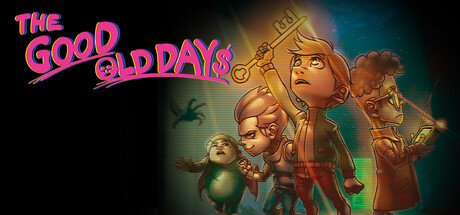
My first instinct when the opening cinematic rolled was that someone out there genuinely loved The Goonies as a kid and decided the only honest response was to make a whole game about it. That instinct proved correct. THE GOOD OLD DAYS drops you into the underground labyrinth of fictional Arostia as Sean, a broke teenager handed an impossible deadline by a loan shark who, in the wildest act of villain logic imaginable, also gifts him an unlimited supply of bombs. Sean's three friends, Foodie, Bruce, and Doc, collectively known as The Noogies, have been kidnapped and scattered across the cavern network below his house. Rescue them, scrape together $30,000, and get out before the clock runs out. The setup is ridiculous in exactly the right way, and for the first hour or two it sings. The Metroidvania hook is genuinely clever: rescuing each friend works less like a power-up acquisition and more like assembling a small, rotating squad. Foodie headbutts through cracked walls and enemies, Bruce is the fastest of the group and fires tornadoes upward, and Doc can scan for hidden locations and jump higher than anyone else. Each one shifts how you read the environment, and there is real satisfaction in returning to a corridor you wrote off earlier and suddenly cracking it wide open. The world also offers surprising flexibility in how you approach the debt itself: side quests, trial stages, minigames, lottery tickets, and buried treasure all feed into the same goal, which means runs rarely feel strictly linear. Permanent item upgrades, such as gear that lets Sean pass through electrified floors or freezing water, carry over between playthroughs and soften the friction of returning. Where the cracks show is in the roguelite scaffolding wrapped around an otherwise traditional exploration game. The story peels back across multiple complete runs, with eight endings total and a completionist time investment sitting somewhere around 20 hours. That structure can work. Here it stumbles because too much resets between runs: health upgrades, maps revealing hidden loot, fast-travel points. Later playthroughs do shuffle character placements and introduce new enemies, but the renegotiation of basics every cycle grinds against the momentum the story earns. Critics have been pretty consistent on this, noting that the repetition holds back a genuinely touching narrative about youth, friendship, and absent fathers that clearly means a lot to its solo developer. The controls add to the friction: jumping is imprecise in ways you notice constantly in a genre that demands otherwise, and bomb-based combat against darting bats and rats is awkward enough that most players will default to Foodie for any fight and swap back to navigate. Boss encounters hint at a smarter character-swap system than the rest of the game actually delivers on. And yet. The pixel art is warm and deliberate, distinctly 16-bit in a way that does not feel retro by laziness but by genuine love of the form. The biomes are visually distinct, the bosses have personality, and the whole thing carries the atmosphere of a lost Saturday-morning adventure that somehow survived on a cartridge somewhere. The first playthrough, clocking in around three to four hours, is a quietly lovely time. Whether you stay for the full ending cascade depends on your tolerance for re-treading familiar ground in service of a story that genuinely rewards patience. The game even offers a demo, which is the right move for a title this divisive in execution. Spend an evening with that before committing to the full run cycle.

Indie & narrative
Tags
System Requirements
Minimum
- OS
- Windows 10
- Memory
- 4 GB RAM
- Storage
- 4 GB available space
- Graphics
- 512mb Video Memory, Shader Model 2.0+
- Processor
- 2.8Ghz
Recommended
Requires a 64-bit processor and operating system
Keep exploring
Community Discussion
Be the first to comment on THE GOOD OLD DAYS.
Reviews & Ratings
No ratings available
Game Info
- Developer
- ヨコゴシステムズ
- Publisher
- GRAVITY
- Release Date
- Oct 22, 2025