Teratopia
Colorful monster brawler with genuine charm in its boss design, undermined by sluggish controls, forced grinding, and an identity crisis that makes it hard to recommend at full price.
GamerScout Verdict
Worth a discount grab for patient brawler fans who can stomach grinding and a fixed camera, but not a confident full-price pick.
Compare Prices(5 stores)
Every store in this table quotes us in euros, so the EUR figure is the price the seller actually set, not our arithmetic — which is why EUR is also the currency we rank in. We only list an offer here when the store gives us its price in euros, so nothing in this table is a number we invented.
Pick USD, PLN, GBP, CAD or AUD in the header and we convert from EUR at the European Central Bank reference rate — converted amounts are prefixed with ~. Your bank or the store may apply a different rate at checkout. We never hide offers based on where you are: everyone sees this whole table.
We may earn a commission when you buy games through links on this page — at no extra cost to you. It never affects our rankings or verdicts.
Price History
Screenshots & Media
About Teratopia
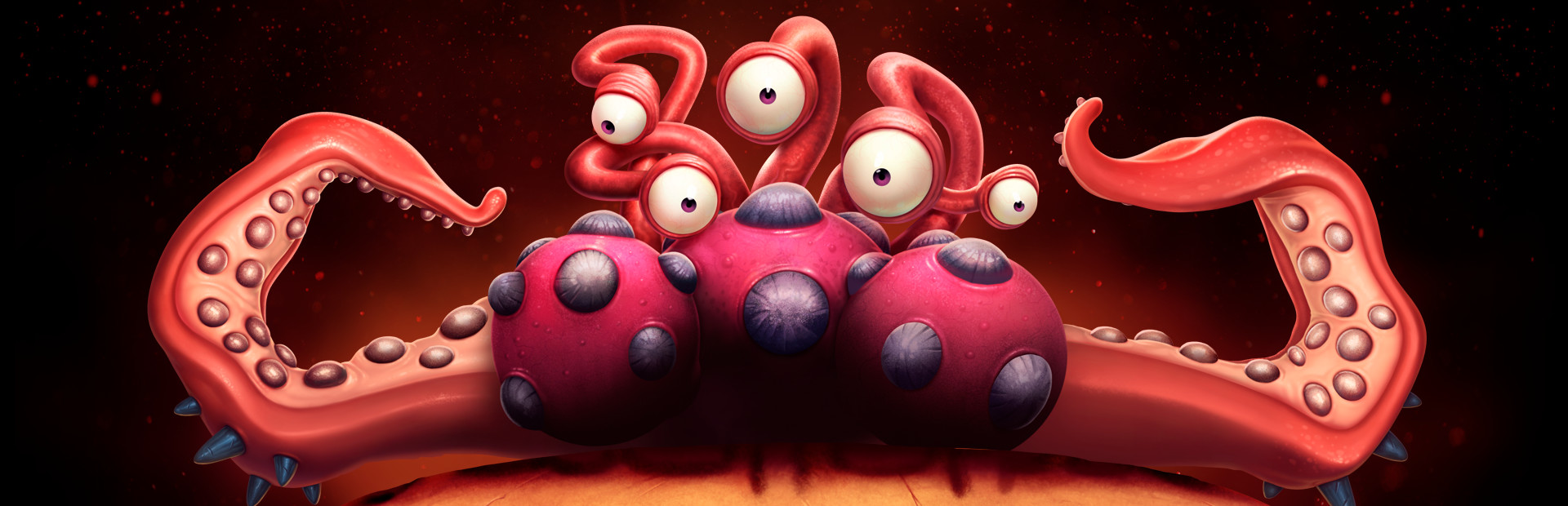
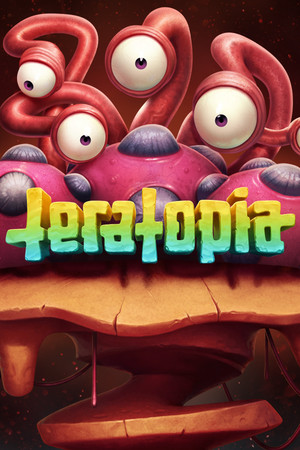
I went into Teratopia expecting a breezy six-hour creature romp and came out the other side genuinely split, which is not nothing for a small indie from Ravegan. The premise is immediately legible: a land of cartoonish monsters invaded by red critters, and three protagonists with different fighting styles tasked with pushing them back. You start as Tucho, a melee brawler; you later unlock Benito, a ranged shooter; and finally Horacio, a poison-spitting trickster who turns out to be the weakest of the three by most accounts. Across thirteen zones you punch, dodge, and summon minions to help absorb damage and occupy enemies, with your minion roster split into five roles: brawler, ranger, engineer, enforcer, and wizard. The engineer's ability to commandeer turrets scattered around the levels is a small but satisfying wrinkle, and the wizard role, which buffs your other units rather than fighting directly, suggests that someone on the team was thinking about systems design. It is a game with ideas. The problem is the gap between those ideas and how they feel to actually operate. The controls are the sticking point that critics kept returning to in different ways. Dodging works, mostly, but there is a cooldown that the game never visualizes, so timing a clean roll feels like guesswork under pressure. Special attacks, which do real damage especially against bosses, register inconsistently when you trigger them. Jumping and dashing feel weightier than they should for a colorful platformer, and the fixed camera compounds this: you cannot rotate it, which means the geometry of certain zones fights you in ways that feel punitive rather than designed. Deaths by falling off the edge of platforms were, for multiple reviewers, more common than deaths from actual combat, and that tells you something about where the friction lives. The boss encounters are the genuine bright spot. Fourteen bosses populate the run, each with a distinct attack pattern and a specific vulnerability to exploit: luring one into a tombstone, waiting for a geyser to stun another, managing your minion supply carefully because some fights deliberately strip you of eggs before you arrive. The personality injected into these encounters, including a boss named Grandfarter whose movement and attacks lean hard into flatulence physics, reflects a tone the game is chasing across its whole runtime. That tone is somewhere between a Saturday morning cartoon and a Conker-style gross-out comedy, which means adult jokes appear without warning inside what looks like a game aimed at children. That identity confusion permeates everything, and it is the thing most likely to make a potential buyer shrug. The soundtrack, though, earns a genuine mention. An orchestrated original score with a Latin-country character gives the world more personality than its visuals alone could manage, and reviewers who were otherwise critical flagged the audio as a highlight worth putting headphones on for. The Teratopedia, an in-game index that unlocks entries as you encounter monsters and awards cosmetic currency for completionist progress, adds a collector's thread that might appeal to completionists chasing achievements. Costumes offer stat nudges, and the leveling system gates abilities including basic moves like running and jumping early on, which is an unusual and slightly frustrating design call. The grinding required to level up enough to progress was a consistent complaint: the thirteen zones loop back on themselves at higher difficulty, and the game leans on that recycled content to pad time that might otherwise feel short. For a patient indie brawler fan who has cleared their genre backlog and wants something weird that costs little at a discount, Teratopia offers enough: decent boss design, a charming creature aesthetic, and a soundtrack that carries the mood when the mechanics do not. For anyone expecting a polished, responsive action game with satisfying combat depth, the controls and camera will exhaust goodwill before the credits roll. It knows what it wants to be at its best moments. It just cannot hold that shape for long.

Indie & narrative
Tags
System Requirements
Minimum
- OS
- Windows 7 / 10
- Memory
- 4 GB RAM
- Storage
- 3 GB available space
- Graphics
- GTX 660 Ti 2GB or similar
- Processor
- i3-6100 3.7 GHz
Recommended
- OS
- Windows 10
- Memory
- 6 GB RAM
- Storage
- 3 GB available space
- Graphics
- GTX 1050 Ti 4GB or similar
- Processor
- i5-7400 3.5 GHz
Keep exploring
Community Discussion
Be the first to comment on Teratopia.
Reviews & Ratings
No ratings available
Game Info
- Developer
- Ravegan
- Publisher
- Eastasiasoft Limited
- Release Date
- Jan 19, 2021