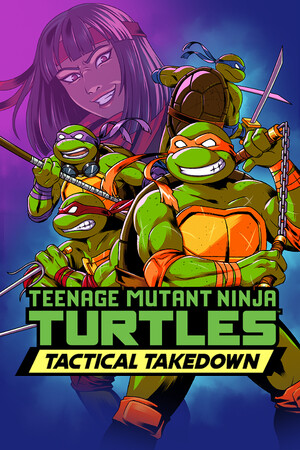
Teenage Mutant Ninja Turtles: Tactical Takedown
Strange Scaffold turns the Turtles into a tactics puzzle that moves faster than most action games. Five hours, cowabunga vibes, and a genuine design surprise from a studio that never plays it safe.
GamerScout Verdict
A mechanically clever tactics game for players who want arcade energy in a grid format, but too short and shallow to satisfy tactics veterans.
Compare Prices(3 stores)
Every store in this table quotes us in euros, so the EUR figure is the price the seller actually set, not our arithmetic — which is why EUR is also the currency we rank in. We only list an offer here when the store gives us its price in euros, so nothing in this table is a number we invented.
Pick USD, PLN, GBP, CAD or AUD in the header and we convert from EUR at the European Central Bank reference rate — converted amounts are prefixed with ~. Your bank or the store may apply a different rate at checkout. We never hide offers based on where you are: everyone sees this whole table.
We may earn a commission when you buy games through links on this page — at no extra cost to you. It never affects our rankings or verdicts.
Price History
Screenshots & Media
About Teenage Mutant Ninja Turtles: Tactical Takedown
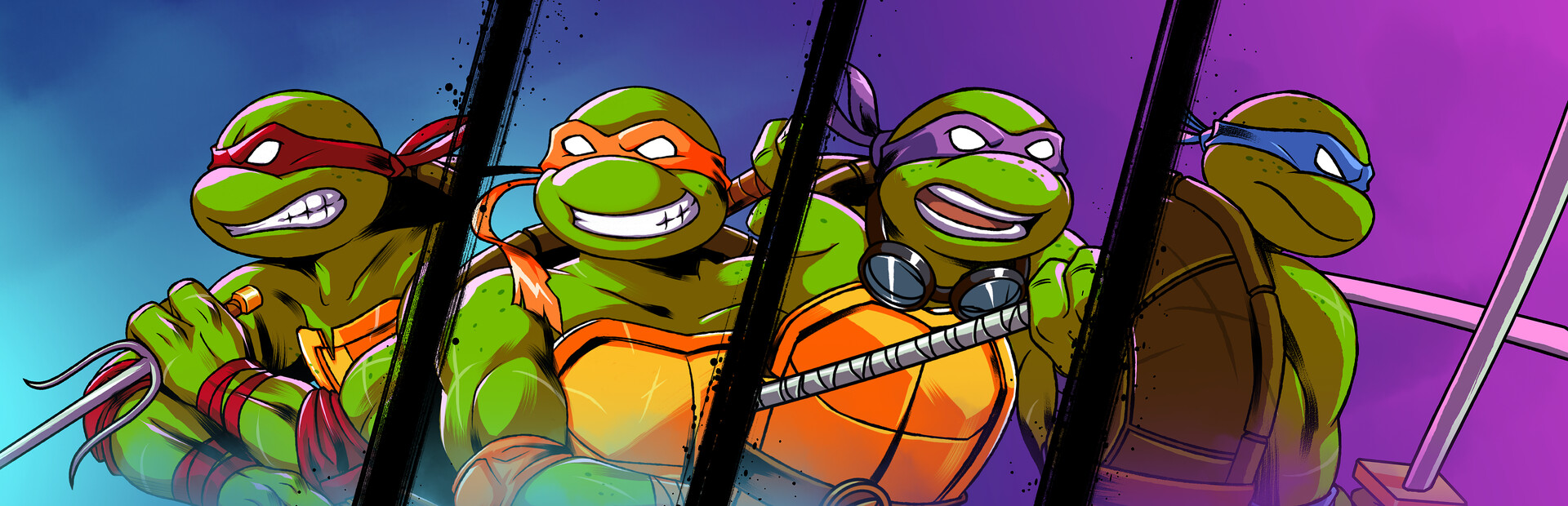
My spreadsheet brain lit up the moment I saw the core conceit: six action points per turn, a grid that is actively eating itself beneath your feet, and waves of Foot Clan soldiers that respawn faster than you can clear them. That is not a description I expected to attach to a Teenage Mutant Ninja Turtles game in 2025, but here we are. Strange Scaffold, the indie studio behind Space Warlord Organ Trading Simulator and I Am Your Beast, has built what is historically the first turn-based TMNT game, and it pulls off something that most tactics newcomers struggle to do: it makes standing still feel dangerous. The mechanical hook is the constantly morphing battlefield. Objectives flash "GO!" across the screen like a side-scrolling arcade call-to-arms, and when they resolve, tiles drop away, taking any enemy (or turtle) still standing on them straight into the void. You are never just trading blows in place. You are positioning, baiting enemy clusters toward crumbling edges, and spending action points on knockback abilities to punt Foot ninjas off the map rather than grinding through their HP. Each of the four turtles handles this differently. Raph is a bulldozer with hard-hitting charges, Donnie leans on gadget-based disruption, and Mikey is a breakdancing blur who skateboards and kickflips his way across tiles in ways that barely feel turn-based at all. The design decision to assign one turtle per level, rather than assembling a squad, keeps the action focused and forces you to fully understand each moveset before moving on. Strategically, it is a smart constraint. From a pure tactics depth standpoint, it is also the ceiling of the game. The tutorial problem is real. The game does a poor job of surfacing its own mechanics, including the in-level shop where you spend shell coins on additional abilities, which some players will not even discover until the final stretch. There are also mechanical rough edges: the enemy attack-range preview line is not always accurate, and difficulty spikes in the later stages can feel more like attrition than challenge. The visuals land somewhere between stylized tabletop miniatures and slightly undercooked indie licensed game. Character standees change pose based on their last action, which is a charming touch, but environments cycle through the same sewer, subway, and city-street templates with limited variety. The soundtrack, composed by RJ Lake, is the one production element that punches well above the game's scope. For strategy-focused players specifically, the honest assessment is: this is a five-to-six-hour tactics snack, not a meal. There is no persistent progression, no leveling system, and replayability hinges on score-chasing and a harder "Remix" mode that swaps in tougher enemy types but reuses the same stage layouts. OpenCritic's aggregated reviewer pool rates it as "Strong" with a 77 average, which feels about right. The game knows what it is, and within that scope it is mechanically confident and unusually kinetic for the genre. Tactics veterans will clear the main campaign without breaking a sweat and then wonder where the rest of the content went. Newcomers to the genre, especially those who bounced off slower, more methodical tactics games, will find this a genuinely accessible entry point because forward momentum replaces the analysis paralysis that kills most grid-based games for casual players. The verdict math here is pretty clean: a short-form licensed tactics game that overachieves on moment-to-moment feel and underachieves on content breadth. If the concept of sending Mikey spinning over three Foot soldiers on a dissolving rooftop sounds appealing, you will have a good time. If you are expecting the kind of loadout depth or mission variety that would justify returning to it across dozens of hours, recalibrate before you buy.

Strategy & simulation
Tags
System Requirements
Minimum
- OS
- Windows 10
- Memory
- 4 GB RAM
- Storage
- 2 GB available space
- Graphics
- Intel HD Graphics 2000
- Processor
- @ 2 GHz
- Sound Card
- Please.
Keep exploring
Community Discussion
Be the first to comment on Teenage Mutant Ninja Turtles: Tactical Takedown.
Reviews & Ratings
No ratings available
Game Info
- Developer
- Strange Scaffold
- Publisher
- Strange Scaffold
- Release Date
- May 22, 2025