Tattletail
Furby horror done right: a child, Christmas Eve 1998, and a recalled demon-matriarch stalking your darkened house while your new toy won't stop screaming for snacks.
GamerScout Verdict
Best for horror newcomers and 90s-nostalgic players who want a single-session atmospheric gut-punch with low mechanical overhead.
Compare Prices(5 stores)
Every store in this table quotes us in euros, so the EUR figure is the price the seller actually set, not our arithmetic — which is why EUR is also the currency we rank in. We only list an offer here when the store gives us its price in euros, so nothing in this table is a number we invented.
Pick USD, PLN, GBP, CAD or AUD in the header and we convert from EUR at the European Central Bank reference rate — converted amounts are prefixed with ~. Your bank or the store may apply a different rate at checkout. We never hide offers based on where you are: everyone sees this whole table.
We may earn a commission when you buy games through links on this page — at no extra cost to you. It never affects our rankings or verdicts.
Price History
Screenshots & Media
About Tattletail
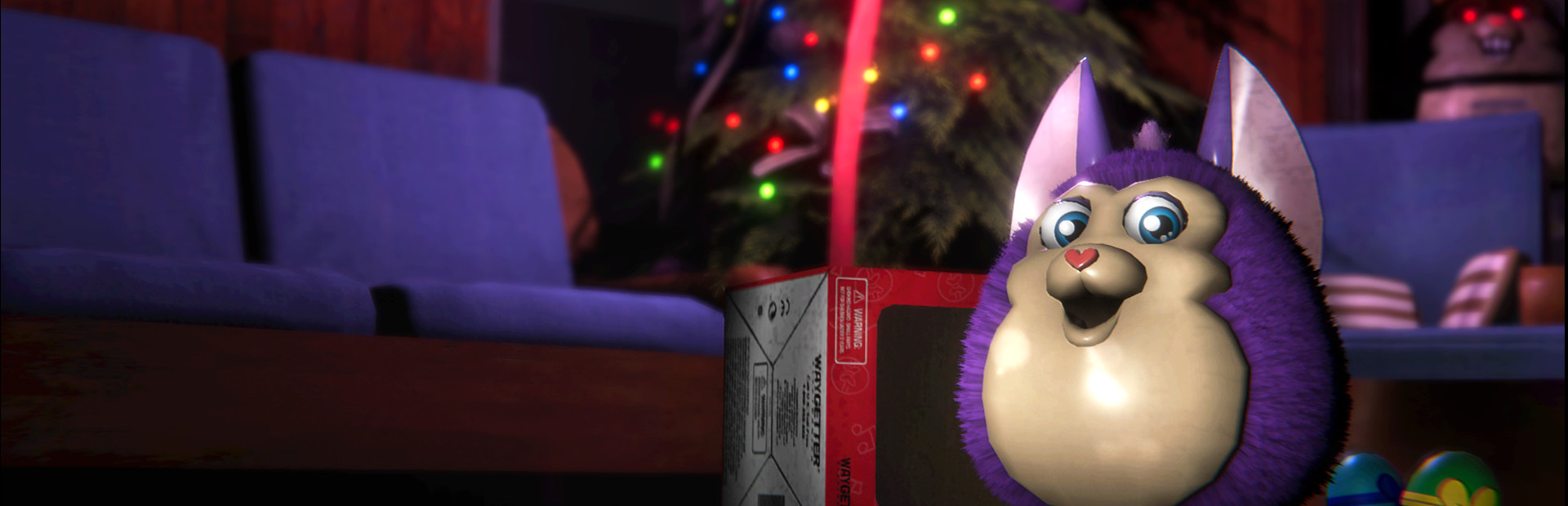
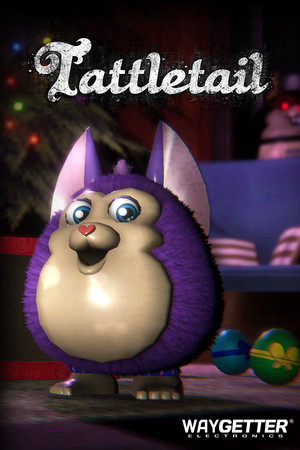
I keep thinking about the moment Mama's grinding mechanical whir cuts through the silence of a suburban house and every light in the room starts to die. That is the specific texture of dread Tattletail is selling, and for a short, low-poly indie from a tiny team, it nails that feeling with a precision that larger horror titles spend millions failing to achieve. The setup is deceptively simple: you are a child in Christmas 1998 who opened a present early. The present is a Baby Talking Tattletail, a Furby-adjacent talking toy that needs constant feeding, brushing, and battery charges to stay quiet. Quiet matters because noise attracts Mama Tattletail, the recalled predecessor to the toy line, who patrols the house across five escalating nights. Your only tool is a shake-powered flashlight that generates sound when you recharge it and cuts out entirely when Mama looks your way. That triple-threat tension, manage the pet's needs, keep noise down, and recharge your light without being heard, is the loop the whole experience runs on. It is not a deep loop, but it is a well-constructed one, and the sound design carries enormous weight: Tattletail's chirping voice turning progressively more sinister as nights progress, and Mama's distant mechanical grinding arriving like a cold draft under a door. Where the game earns real affection is in its atmosphere and craft. The low-poly 90s aesthetic is not accidental sloppiness; it mirrors the chunky plasticity of the era's consumer electronics. The in-game TV commercial for the Tattletail toy line is a genuinely impressive recreation of late-90s VHS-grade ad production, and the overall soundscape keeps you uneasy even in the quiet moments. The Kaleidoscope expansion campaign, included in the base purchase, adds a second layer: a surreal memory-alteration storyline that flips some assumptions from the main game and offers another 30-odd minutes of content, extending the total runtime to somewhere around two hours if you rush, or longer if you hunt all 22 Gift Eggs scattered throughout the house for the good ending. The honest criticisms are real and worth knowing. The difficulty is gentle enough that seasoned horror players will feel minimal threat outside of Mama's occasional teleportation jank, and the ending of the base campaign leaves some players cold, feeling like the narrative momentum builds toward a climax that doesn't fully pay off its own lore threads. There are dangling questions, an unexplained corpse in the commercial, a mother's door you can knock on but who never answers, that feel less like intentional mystery and more like scope limitations. The game also carries a macOS compatibility caveat: it does not run on Catalina or above, so Mac players should verify their OS before buying. For the right person, Tattletail is quietly remarkable. It knows what it is. A two-hour ghost-story written in plastic and static and VHS grain, asking only that you meet it on its own terms before you judge it against games ten times its budget. It belongs to a specific lineage of small horror games that use childhood nostalgia as a weapon, and in that category, it is one of the more carefully made entries. If you want something to play over a single quiet night, especially in December, there are few things that will put you in an uneasier headspace faster.

Indie & narrative
Tags
System Requirements
Minimum
- OS
- Windows 7 or higher
- Memory
- 2 GB RAM
- DirectX
- Version 9.0
- Storage
- 300 MB available space
- Graphics
- Video card with 512MB of VRAM
- Processor
- 2.0 GHz Dual Core Processor
Keep exploring
Community Discussion
Be the first to comment on Tattletail.
Reviews & Ratings
No ratings available
Game Info
- Developer
- Waygetter Electronics
- Publisher
- Little Flag Software, LLC
- Release Date
- Dec 28, 2016