

Sword of the Samurai
A 1989 MicroProse cult classic that blends feudal Japan politics, one-on-one kenjutsu duels, and army command into one compact package, criminally obscure, and still surprising in 2024.
GamerScout Verdict
Best for retro-strategy fans who can look past EGA graphics to find one of the sharpest honor-and-intrigue systems of its era.
Compare Prices(0 stores)
Loading prices...
We may earn a commission when you buy games through links on this page — at no extra cost to you. It never affects our rankings or verdicts.
Price History
Screenshots & Media
About Sword of the Samurai
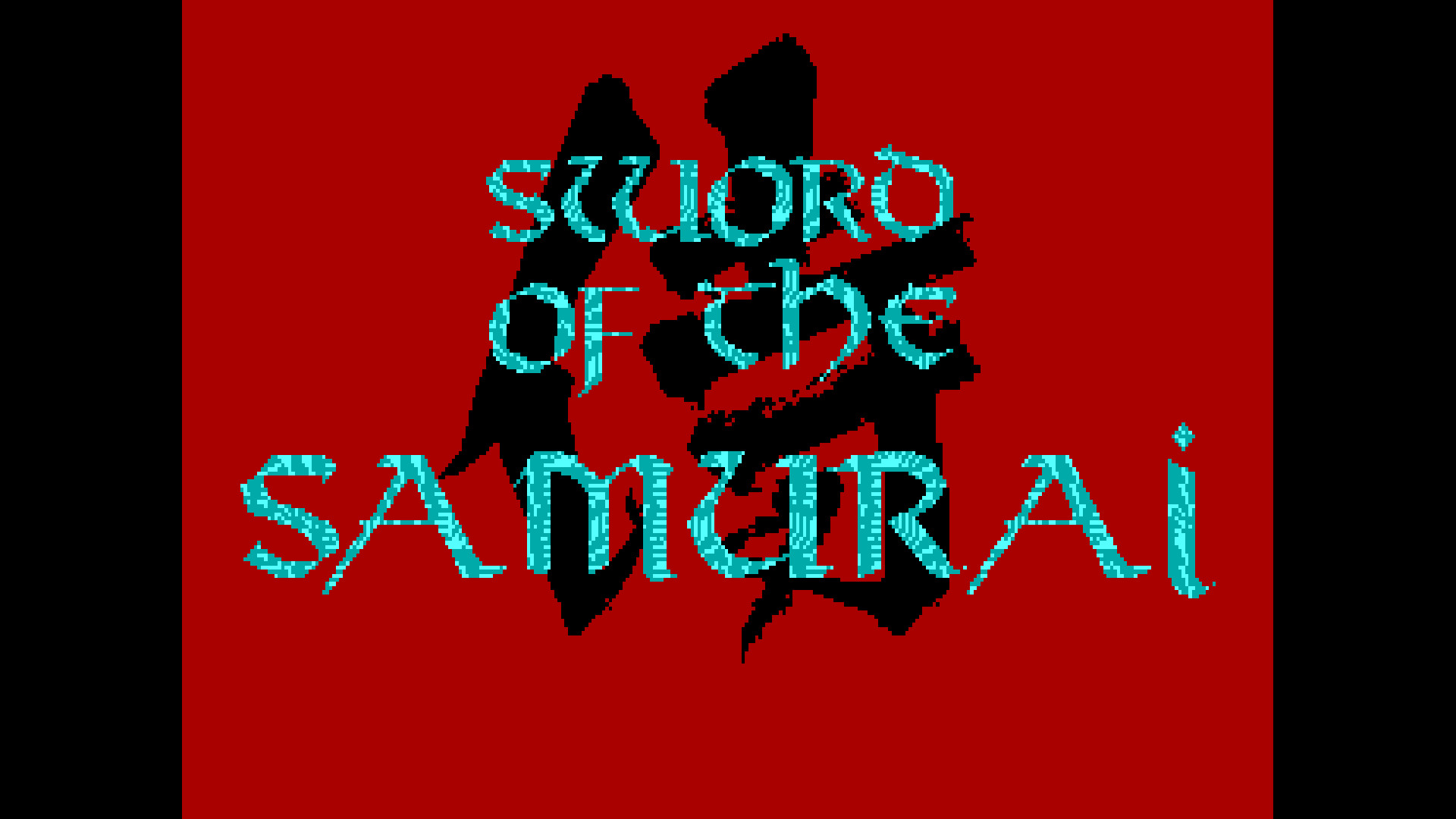
I have a spreadsheet that tracks every grand-strategy game I have touched since 1992, and Sword of the Samurai sits in a cell by itself labeled 'pre-dates the genre but acts like it invented it.' This is a 1989 DOS title running through DOSBox, so temper expectations on the presentation side before anything else, the EGA palette is sparse, the soundtrack is Adlib synth doing its best impression of Japanese court music, and anyone who walked in expecting Ghost of Tsushima will walk right back out. But if you can read past the pixels, what is underneath is a tightly constructed multi-layer simulation that most modern hybrids still have not managed to fully replicate. The structural design is the real reason to pay attention here. You start as a minor vassal samurai, choosing your province, clan, and a family specialty that nudges your opening stats across four tracked values: honor, generalship, swordsmanship, and land holdings. From that small fief, every decision branches outward. Travel to your lord's castle to earn favor, drill troops to cap your generalship rating at six points, practice kenjutsu to max swordsmanship, or slip into a rival's estate after dark to kidnap his heir, getting caught triggers forced seppuku and wipes your family line, ending the run entirely. The honor meter is not flavor text. It directly governs army recruitment, rival AI behavior, and whether you can even survive long enough to ascend from vassal to hatamoto to daimyo. That three-tier progression, each tier contested by three AI rivals who react to your moves and to each other, gives the whole campaign a shape that feels genuinely earned. The action is delivered across three distinct mini-games. One-on-one kenjutsu duels require reading vertical and horizontal slashes and blocking accordingly, Sid Meier personally worked on the AI for these, and they reward patience over button mashing. The top-down melee mode drops you into castles, rice paddies, and village roads to fight off waves of sword, spear, and bow enemies, switching weapons automatically by range in a piece of design sensibility that some titles released decades later still miss. The large-scale army battle mode is the weakest of the three: formation selection, per-legion commands, and real-time troop movement are all present, but sluggish controls make executing any plan past 'charge' genuinely frustrating. Your generalship stat does reduce troop panic and fleeing, so investing there early pays off, but the mode will test your patience before it rewards it. For a strategy-minded player, the depth-to-session-length ratio here is excellent. A full campaign is not a 200-hour commitment, you can see credits in an evening's focused play, but the branching path from each run, combined with the dynastic heir mechanic that lets a son continue after the father's death, creates real replay value. The dishonorable path (kidnapping, assassination, rival humiliation) plays differently enough from the honor-focused route that two runs feel meaningfully distinct. The AI opponents act on their own agendas, occasionally solving your problems by assassinating a mutual rival, which produces the kind of emergent storytelling that most modern grand-strategy games charge DLC money to approximate. The game has no mod ecosystem and no post-launch content, it is exactly what shipped in 1989, wrapped in DOSBox, with a note that macOS Catalina and above will not run it. Windows and Linux users are fine. Read the included manual before touching anything; it is genuinely useful and covers both game mechanics and Sengoku period history in equal measure.

Strategy & simulation
Tags
System Requirements
Minimum
- OS
- Windows XP / Vista / 7
- Memory
- 512 MB RAM
- Storage
- 500 MB available space
- Graphics
- 100% DirectX compatible graphics
- Processor
- 1.0 GHz Processor
- Sound Card
- 100% DirectX compatible card or onboard sound
Recommended
- OS
- Windows 7
- Memory
- 1 GB RAM
- Storage
- 500 MB available space
- Graphics
- 100% DirectX compatible graphics
- Processor
- 1.5 GHz Processor
- Sound Card
- 100% DirectX compatible card or onboard sound
Keep exploring
Community Discussion
Be the first to comment on Sword of the Samurai.
Reviews & Ratings
No ratings available
Game Info
- Developer
- MicroProse Software
- Publisher
- MicroProse Software
- Release Date
- Oct 17, 2014

