Starless Abyss
Slay the Spire meets Into the Breach in deep space, wrapped in Lovecraftian dread. If layered hex tactics and mutating card builds sound like a good weekend, this one earns it.
GamerScout Verdict
Built for strategy players who want positioning, heat, faction synergies, and card entropy layered into every run, not just a prettier Slay the Spire.
Compare Prices(3 stores)
Every store in this table quotes us in euros, so the EUR figure is the price the seller actually set, not our arithmetic — which is why EUR is also the currency we rank in. We only list an offer here when the store gives us its price in euros, so nothing in this table is a number we invented.
Pick USD, PLN, GBP, CAD or AUD in the header and we convert from EUR at the European Central Bank reference rate — converted amounts are prefixed with ~. Your bank or the store may apply a different rate at checkout. We never hide offers based on where you are: everyone sees this whole table.
We may earn a commission when you buy games through links on this page — at no extra cost to you. It never affects our rankings or verdicts.
Price History
Screenshots & Media
About Starless Abyss
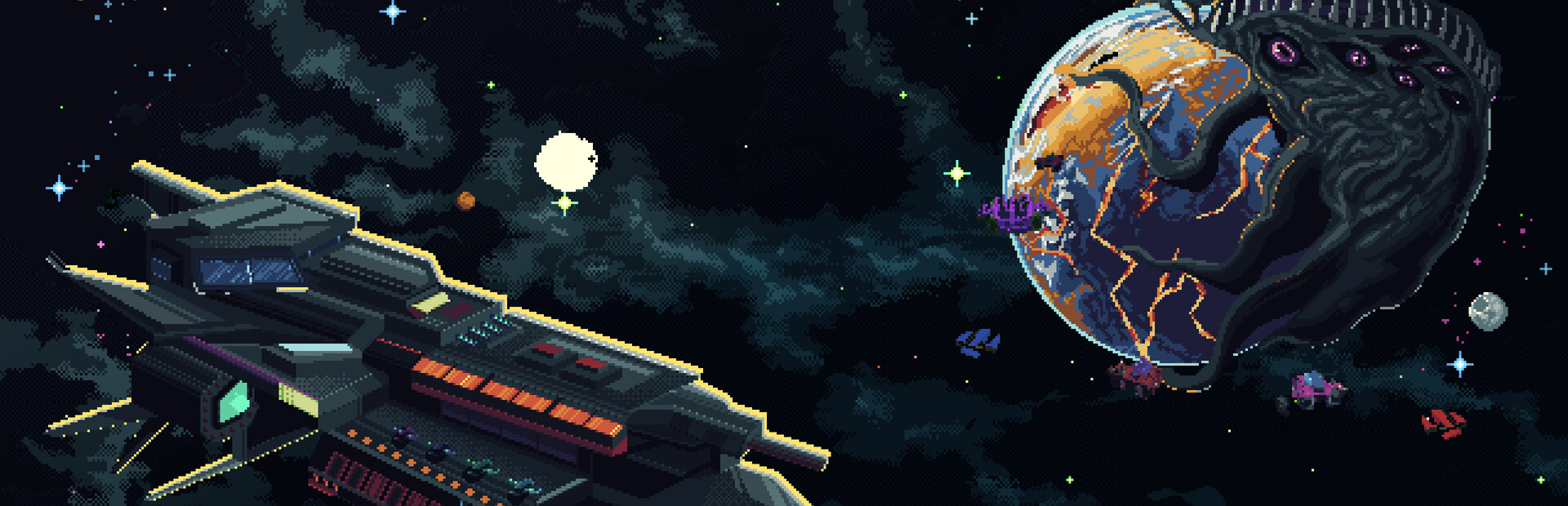
My spreadsheet instincts lit up about twenty minutes into Starless Abyss, and not in the bad way. This is a debut title from Amsterdam-based Konafa Games that treats deckbuilding as a foundation rather than the whole structure, then piles hex-grid positioning, fleet management, heat mechanics, and faction synergies on top until you have something that plays closer to a digital board game than a card battler. The comparison reviewers keep reaching for is Slay the Spire crossed with Into the Breach, and that shorthand is fair, but it undersells how much Starless Abyss actually does with that starting premise. Combat is where the real decision density lives. You command a squad of ships across a hexagonal grid, managing line-of-sight, firing arcs, and distance-based damage modifiers on top of your card hand. Every hex you move costs opportunity, and pushing your ships too hard with powerful attacks builds heat that can disable your own fleet at the worst possible moment. Cards are not just damage numbers either: they reposition ships, manipulate resources, and feed into six distinct faction synergies that include direct firepower, sanity manipulation, and occult ritual effects. Ritual cards are especially interesting, powerful one-time-use plays that can swing a fight but carry costs that echo later in the run. On top of that, some cards mutate under specific conditions, a standard missile barrage can evolve into something more destructive if conditions align. And the entropy mechanic means cards decay the longer you survive, so a static build is never an option. After each failed run, the card pool grows based on what you actually played, nudging your strategy forward rather than resetting it entirely. The meta-progression unlocks new ships, pilots, starting relics, and encounter types at a measured pace. For strategy-minded players willing to read the tooltips, this is a rich game. The D.I.C.E. system introduces controlled unpredictability through dice-influenced encounters and abilities, similar in philosophy to Citizen Sleeper, where you manage variance rather than pray to it. Artifacts and sanity shards further complicate mid-run builds in ways that feel meaningful. The branching map structure gives each run genuine shape, with handcrafted event pools combined with procedural generation keeping individual runs distinct. The soundtrack has been singled out across multiple reviews as a genuine high point, and the Lovecraftian atmosphere is committed rather than cosmetic. The honest caveats, though, matter for buying decisions. The tutorial does not hold hands: pop-up explanations cover the basics, but the sheer volume of interlocking systems means new players will likely lose several runs before the machinery clicks. The UI gets cluttered during complex encounters, which is a real readability problem when you need to track heat levels, shield values, card modifiers, and enemy telegraphs simultaneously. Boss fights, particularly the final encounter, have generated community discussion around spike difficulty, and some players have noted that randomness in card draws and event outcomes occasionally makes failure feel outside your control. These are recurring criticisms in the genre, but they land harder here given how many variables are in play at once. If you approach this expecting an accessible card game, you will bounce off it fast. If you approach it the way you would any systems-heavy strategy title, meaning you accept that the first few hours are a tutorial you are administering to yourself, the depth payoff is real. The Steam community reception has settled at Very Positive, which for a debut indie title with this much mechanical ambition is the right signal. It is not a 60-hour campaign, but it has the run variance and faction build space to justify long-term attention from players who like pulling apart why a run succeeded or failed.

Strategy & simulation
Tags
System Requirements
Minimum
- OS
- Windows 7 or later
- Memory
- 2 GB RAM
- Graphics
- NVIDIA GeForce GTX 550/equivalent or higher
- Processor
- 2 GHz
Recommended
- OS
- Windows 10
- Memory
- 2 GB RAM
- Graphics
- NVIDIA GeForce GTX 760/equivalent or higher
- Processor
- 2 GHz
Keep exploring
Community Discussion
Be the first to comment on Starless Abyss.
Reviews & Ratings
No ratings available
Game Info
- Developer
- Konafa Games
- Publisher
- No More Robots
- Release Date
- Apr 25, 2025