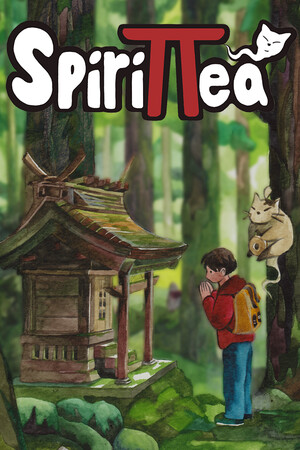
Spirittea
Running a bathhouse for confused spirits sounds zen until you're mid-shift chasing towel loads, stoking fires, and puzzling out which ghost needs spicy noodles before closing time.
GamerScout Verdict
Solid pick for life sim fans who want a management hook and ghost-collector progression, provided they can tolerate light tutorial friction.
Compare Prices(6 stores)
Every store in this table quotes us in euros, so the EUR figure is the price the seller actually set, not our arithmetic — which is why EUR is also the currency we rank in. We only list an offer here when the store gives us its price in euros, so nothing in this table is a number we invented.
Pick USD, PLN, GBP, CAD or AUD in the header and we convert from EUR at the European Central Bank reference rate — converted amounts are prefixed with ~. Your bank or the store may apply a different rate at checkout. We never hide offers based on where you are: everyone sees this whole table.
We may earn a commission when you buy games through links on this page — at no extra cost to you. It never affects our rankings or verdicts.
Price History
Screenshots & Media
About Spirittea
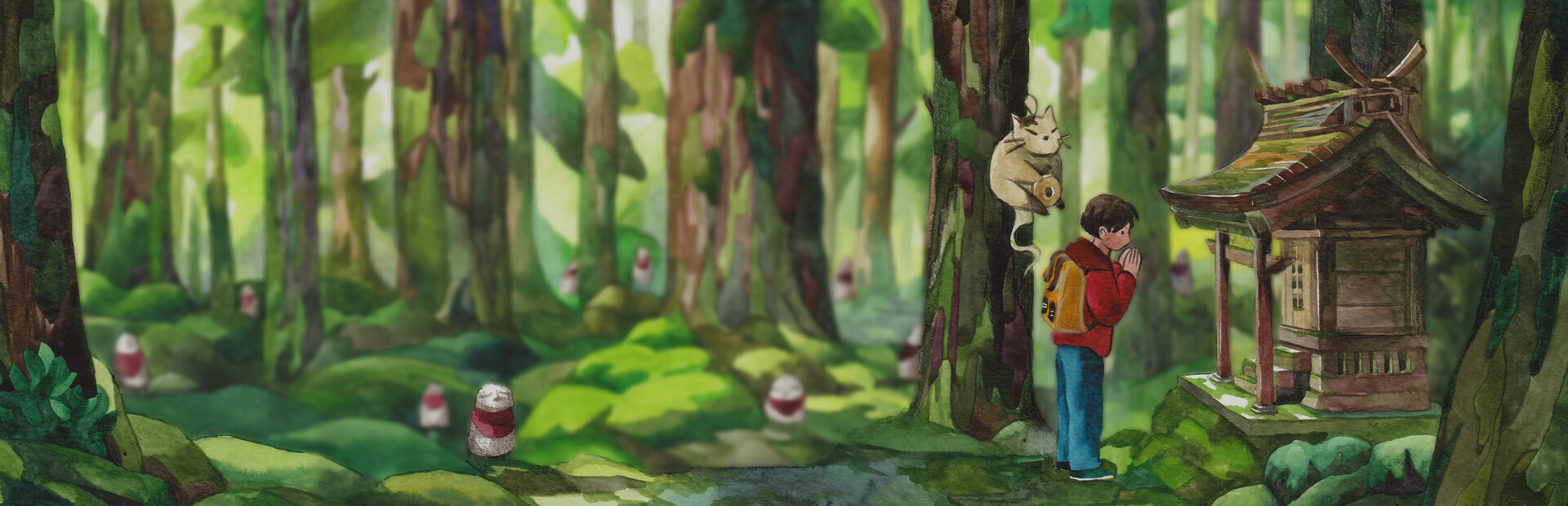
My instinct when something gets tagged 'cozy' is to check whether the depth is real or just pixel art doing heavy lifting. Spirittea earns its chill reputation about 80 percent of the time, with a genuinely clever central loop: you drink a mysterious tea, gain spirit vision, and inherit a crumbling bathhouse that becomes the focal point for the whole game. The bones here are life sim, but the execution skews closer to light management than farming. Rather than a daily crop rotation, you are reading a room full of supernatural guests, stoking the fire with limited root-logs, washing and drying towels, and physically escorting spirits to their preferred baths. The seating puzzle, where each spirit has seasonal affinities and dislikes sitting next to certain neighbours, adds a low-stakes spatial logic minigame to each shift. It is not demanding by strategy standards, but it keeps the bathhouse from becoming pure busywork. The spirit-finding loop outside the bathhouse is where Spirittea separates itself from the Stardew Valley comparison people keep making. You are part detective, part errand runner: track down a haunting, use tea vision to communicate with the shade, then fulfill its final request, whether that means digging up lost treasure, sourcing a specific food, or solving a small environmental puzzle. Once resolved, that spirit becomes a paying bathhouse customer, feeding directly back into your revenue and expanding your roster. It is closer in feel to a collector progression system than traditional RPG questing, and it works well as a drip of forward momentum. Friendship with townsfolk works without the usual gifting grind found in peers like Stardew. There are no shortcuts here: you build relationships by actually spending time with people, joining them for fishing, drinking, bug-catching, or karaoke sessions. The upside is that it feels more organic. The downside is that unlocking helpers for your bathhouse requires hitting maximum friendship, which bottlenecks your time management in the early and mid game in ways that can feel more punishing than cozy. Money is also tight early, since the bathhouse demands your full in-game day to run properly, leaving little room to explore unless you are willing to accept lower earnings. On the friction side, the tutorial front-loads a data dump and then disappears, with no way to re-read key instructions or check mechanic references later. The spirit seating system never tells you which season each spirit belongs to in any accessible menu, so you are largely pattern-matching by trial and error. Several bugs cropped up at launch, including save-blocking issues, though the developer committed to regular patches and free content updates post-launch. The save-only-by-sleeping design compounds any bug frustration. Steam player sentiment settled at broadly positive over time, with most criticism pointing at polish and tutorial depth rather than the core concept itself. For the audience asking 'is this worth it right now': if you are a life sim player who wants something with a distinctive management hook and a ghost-collecting progression spine, yes, the game delivers that experience in a package that is genuinely different enough from its genre neighbours. If you need a system-deep management sim or a ruthlessly polished product, look elsewhere. Approach it with low expectations for onboarding and you will find a game that rewards patience with real charm.

Strategy & simulation
Tags
System Requirements
Minimum
- OS
- Windows 7 or later
- Memory
- 2 GB RAM
- Graphics
- NVIDIA GeForce GTX 550/equivalent or higher
- Processor
- 2 GHz
Recommended
- OS
- Windows 10
- Memory
- 2 GB RAM
- Graphics
- NVIDIA GeForce GTX 760/equivalent or higher
- Processor
- 2 GHz
Keep exploring
Community Discussion
Be the first to comment on Spirittea.
Reviews & Ratings
Game Info
- Developer
- Cheesemaster Games
- Publisher
- No More Robots
- Release Date
- Nov 13, 2023