Soulstice
A throwback hack-and-slash with real style and a compelling sisters-in-arms hook, let down by a camera that actively fights you and a second half that runs out of steam.
GamerScout Verdict
Best for patient DMC fans who can tolerate a rough camera and a slow start in exchange for a rewarding combat system and a dark-fantasy story with genuine heart.
Compare Prices(9 stores)
Every store in this table quotes us in euros, so the EUR figure is the price the seller actually set, not our arithmetic — which is why EUR is also the currency we rank in. We only list an offer here when the store gives us its price in euros, so nothing in this table is a number we invented.
Pick USD, PLN, GBP, CAD or AUD in the header and we convert from EUR at the European Central Bank reference rate — converted amounts are prefixed with ~. Your bank or the store may apply a different rate at checkout. We never hide offers based on where you are: everyone sees this whole table.
We may earn a commission when you buy games through links on this page — at no extra cost to you. It never affects our rankings or verdicts.
Price History
Screenshots & Media
About Soulstice
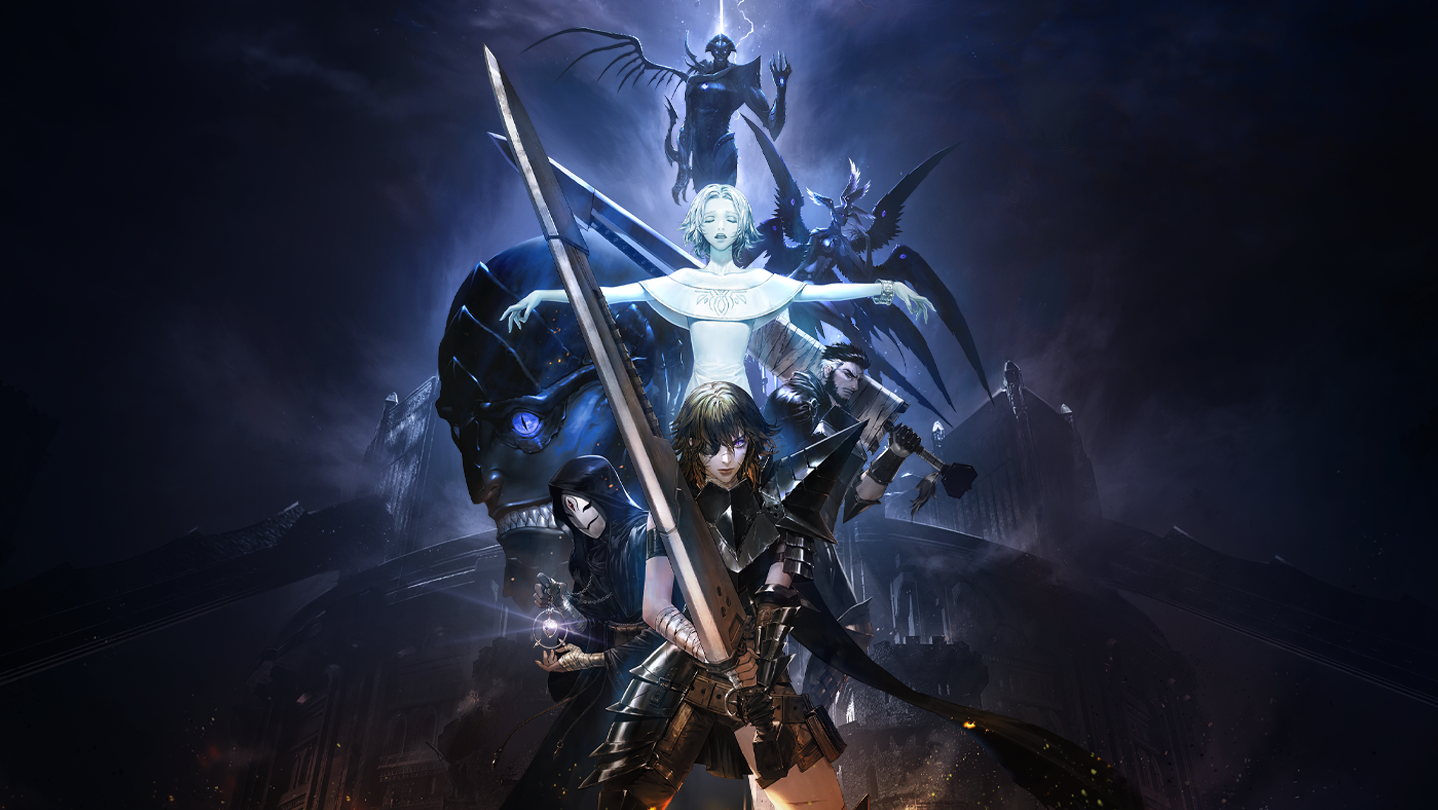
My first few hours with Soulstice had me genuinely excited. The setup is strong: two sisters, Briar and Lute, bound together as a Chimera, sent into the ravaged city of Ilden to close a dimensional tear letting Wraiths pour into the world. It's dark fantasy with some actual emotional weight, and the art direction sells every crumbling district. Then the camera started doing its thing, and I remembered why some PS2-era design choices got left behind. At its core, this is a Devil May Cry-flavored action game, and the combat pedigree shows. Briar wields a sword for light attacks and cycles through secondary weapons, including a fist weapon with genuinely satisfying crunch, a bow for ranged pressure, and daggers for quick-burst damage. Chaining combos builds Unity with Lute, which eventually unlocks Synergy attacks that combine both sisters' powers. Push that further and you hit Rapture mode, with four distinct forms (Mastery, Trickery, Chaos, Balanced) each unlocking a different finisher depending on which skills you've invested in for Lute's passive tree. On paper, it's a deep system. In practice, the game gates a lot of that depth behind a slow opening act, and the Ikaruga-style red-and-blue field mechanic, where some enemies can only be damaged inside a timed color field you summon with the triggers, periodically turns combat into a frustrating wait-and-see exercise when the field recharges at the wrong moment. The fixed and semi-fixed camera is the single biggest complaint you'll find in reviews, and those reviews are right. It frames the gothic architecture of Ilden beautifully in quieter moments, but mid-combat it will whip to an angle that puts enemies behind you with no warning. Pair that with a lock-on system that isn't always reliable, and fights you're otherwise winning can collapse into confusion. It is genuinely the game's most difficult opponent, as more than one critic has noted. The second-half repetition is real too: 25 chapters across 20-plus hours means plenty of corridors that start to blur together, and certain enemy types feel like they were designed to pad rather than challenge. What keeps Soulstice worth finishing is the sister dynamic and the boss fights. Lute's banter during exploration quietly grows the relationship between the two characters, and several boss encounters deliver the spectacular, climactic moments that the regular-enemy waves often fail to produce. The story has a real sense of building mystery, and while side characters don't get enough screen time, the core arc lands better than expected given how roughly it starts. Multiple difficulty options and the optional Rapture class builds give the game replayability for people willing to dig. For genre fans who can absorb camera quirks and a slow ramp-up, there's a rewarding AA action game in here. For anyone who needs tight camera control or quick mechanical payoff, the friction will probably win out before the good stuff arrives. Go in on a discount with patience, not hype.

Catch-all
Tags
System Requirements
Minimum
- OS
- 64 bit windows 10
- Processor
- Core i7 4770k @3.5GHZ/Ryzen S 1600
- Memory
- 8 GB RAM
- Graphics
- GTX1060/RX5500XT
- DirectX
- Version 12
- Storage
- 30 GB available space Additio…
Recommended
- OS
- 64 bit windows 10
- Processor
- Core i7 4770k @3.5GHZ/Ryzen S 2600
- Memory
- 12 GB RAM
- Graphics
- GTX1080/RX5600XT
- DirectX
- Version 12
- Storage
- 30 GB ava…
Keep exploring
Community Discussion
Be the first to comment on Soulstice.
Reviews & Ratings
Game Info
- Developer
- Reply Game Studios
- Publisher
- Modus Games
- Release Date
- Sep 19, 2022

