Songbringer
A handcrafted sci-fi Zelda letter-pressed through a six-letter seed: gorgeous pixel worlds that feel authored, clunky nanosword and all.
GamerScout Verdict
Built for patient explorers who lean into secrets and seed-sharing; combat roughness will turn off anyone expecting tight action.
Compare Prices(7 stores)
Every store in this table quotes us in euros, so the EUR figure is the price the seller actually set, not our arithmetic — which is why EUR is also the currency we rank in. We only list an offer here when the store gives us its price in euros, so nothing in this table is a number we invented.
Pick USD, PLN, GBP, CAD or AUD in the header and we convert from EUR at the European Central Bank reference rate — converted amounts are prefixed with ~. Your bank or the store may apply a different rate at checkout. We never hide offers based on where you are: everyone sees this whole table.
We may earn a commission when you buy games through links on this page — at no extra cost to you. It never affects our rankings or verdicts.
Price History
Screenshots & Media
About Songbringer
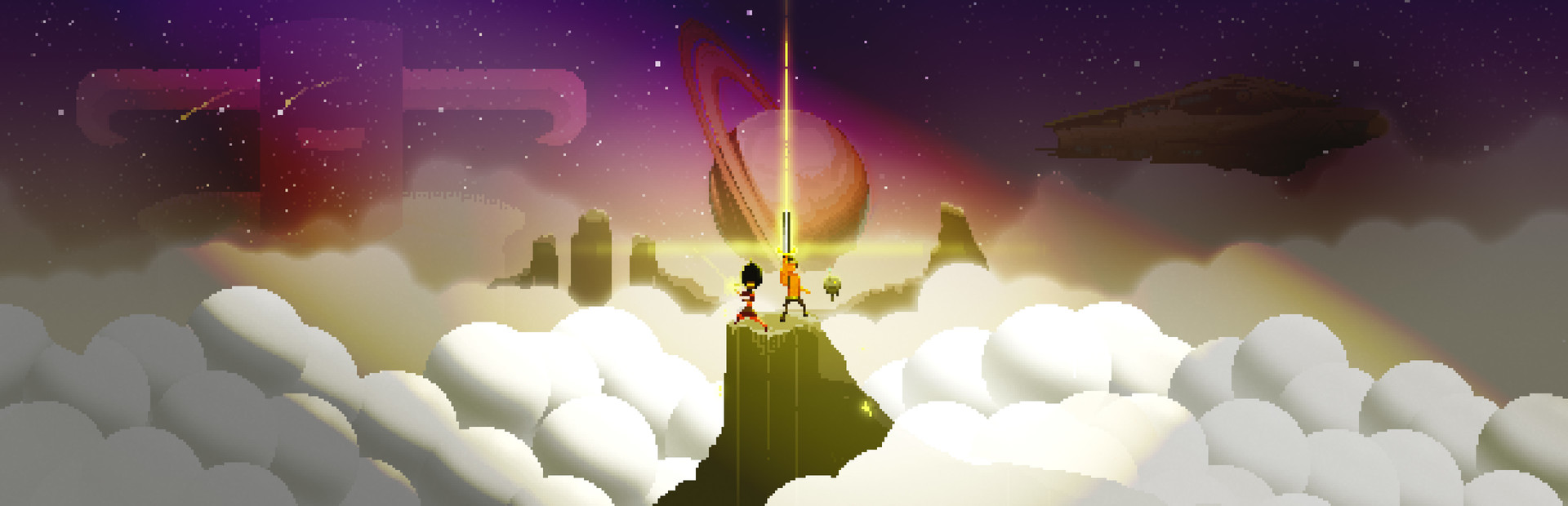
My first hour with Songbringer felt like finding a cassette tape in someone's jacket pocket, unlabelled, slightly warped, and more interesting for it. This is a solo-dev passion project from Nathanael Weiss at Wizard Fu, built on one quietly audacious idea: what if a top-down Zelda-like generated its entire planet, overworld, secrets, and nine dungeons from a six-letter word you type at the start? Type the same word and the same world appears, on any platform, shareable with friends, seeding leaderboard runs or friendly competition. That word-seed system is Songbringer's genuine creative contribution, and when it works, it feels like the game was made just for you. The bones are unapologetically old-Zelda: scrolling overworld screens, dungeons numbered on the minimap that can be tackled in almost any order, items gated behind exploration rather than experience points. Protagonist Roq Epimetheos, shirtless space-musician and accidental hero, pulls a humming nanosword from a cave on the planet Ekzera and sets loose an ancient evil. His skybot companion Jib follows alongside, scanning fallen enemies for loot, and a second player can take direct control of Jib in local co-op, which is a quietly lovely touch for couch sessions. The crafting layer rewards lateral thinking: combining a blink orb with an ice crystal can freeze lakes and bypass horn-block obstacles, meaning the same problem has multiple routes depending on what your particular seed placed in your path. That design philosophy, every obstacle solvable multiple ways, keeps individual runs feeling genuinely different rather than reshuffled. Where the game strains is in its combat. The nanosword's swing arc is narrow and the hit detection is imprecise enough that fights can tip from challenging into frustrating, especially in rooms packed with dense enemy formations. The other tools, a throwable top-hat boomerang, bombs, and various craftable upgrades, often outperform the sword and become your de facto primary weapons, which is a little ironic given how much narrative weight the nanosword carries. Difficulty is also seed-dependent in ways that can wrong-foot you: stumble into a late dungeon early and you will know about it. Permadeath mode is available for the brave, and a global leaderboard sorts runs by seed popularity for those who want a competitive frame around the exploration. The audiovisual world is where the handcraft shows most clearly. The pixel art is vivid and alien in ways that stick in memory, biomes shifting from rain-soaked marshes to desert flats depending on your seed. The synth-forward soundtrack is atmospheric and slightly hypnotic, though a few reviewers noted some tracks tip from eerie into repetitive across a long session. The hallucinogenic cactus mechanic, eating cacti to reveal hidden objects and secrets, meshes the thematic content directly into play rather than sitting as window dressing, which I find genuinely charming in a small-studio, every-detail-intentional way. A six-plus hour first run leaves a meaningful percentage of items unfound, and the seed system gives motivated players a real reason to return. Songbringer landed to mixed-average critical scores and a mostly-positive Steam player rating, which feels about right. It is a game that knows exactly what it loves, occasionally stumbles in delivering it, and still manages to conjure something with its own texture and atmosphere. The solo-dev origin is visible in the rough edges, but also in the coherence of vision. If clunky swordplay is a dealbreaker for you, go in forewarned. If you are the kind of player who will spend twenty minutes meditating in every room to hear the musical cue that signals a hidden passage, Songbringer was made for you.

Indie & narrative
Tags
System Requirements
Minimum
- OS
- Windows 7
- Memory
- 1 GB RAM
- Storage
- 2 GB available space
- Graphics
- OpenGL 2.0+ Compatible Card
- Processor
- 1.0 Ghz or faster
Recommended
- OS
- Windows 10
- Memory
- 2 GB RAM
- Storage
- 4 GB available space
- Graphics
- OpenGL 3.0+ Compatible Card
- Processor
- 2.0 Ghz or faster
Keep exploring
Community Discussion
Be the first to comment on Songbringer.
Reviews & Ratings
Game Info
- Developer
- Wizard Fu
- Publisher
- Wizard Fu
- Release Date
- Sep 1, 2017