Slice of Sea
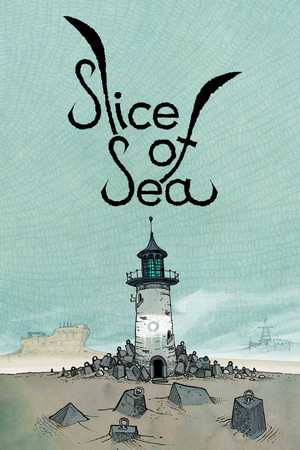
One solo artist, every frame hand-drawn in ink on paper, an eerily beautiful world built from scratch with no procedural shortcuts. If you can tolerate puzzles that demand attention rather than instructions, this one earns every quiet minute it asks for.
GamerScout Verdict
Best for fans of wordless atmospheric puzzle adventures who can commit to careful observation and a personal notepad.
Compare Prices(4 stores)
Every store in this table quotes us in euros, so the EUR figure is the price the seller actually set, not our arithmetic — which is why EUR is also the currency we rank in. We only list an offer here when the store gives us its price in euros, so nothing in this table is a number we invented.
Pick USD, PLN, GBP, CAD or AUD in the header and we convert from EUR at the European Central Bank reference rate — converted amounts are prefixed with ~. Your bank or the store may apply a different rate at checkout. We never hide offers based on where you are: everyone sees this whole table.
We may earn a commission when you buy games through links on this page — at no extra cost to you. It never affects our rankings or verdicts.
Price History
Screenshots & Media
About Slice of Sea
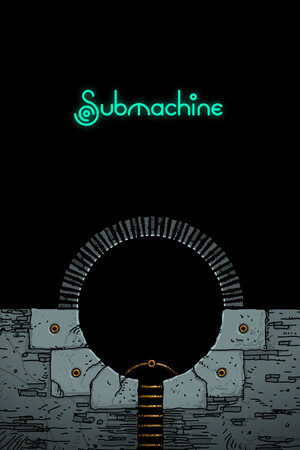
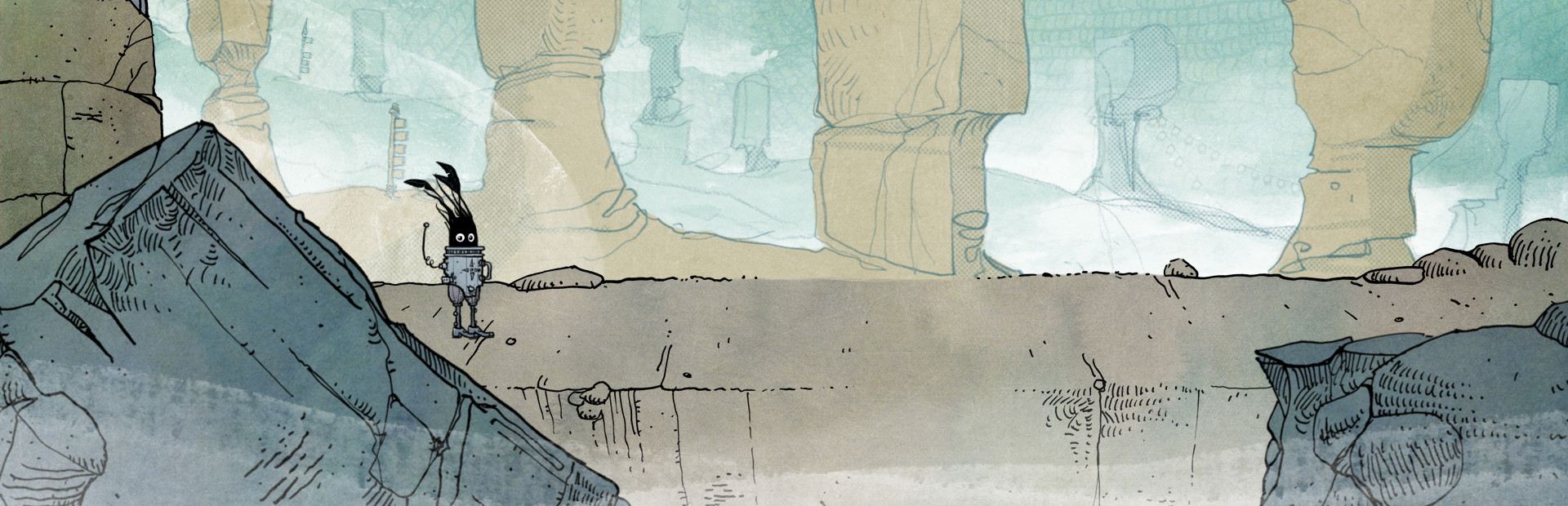
My first hour with Slice of Sea felt like watching someone else's dream unfold frame by frame, and I mean that as high praise. Mateusz Skutnik, a one-person studio who built his reputation across the Flash-era Submachine and Daymare Town series, has here produced something genuinely larger than anything he attempted before: a sprawling, dialogue-free puzzle adventure drawn entirely by hand with ink on paper, then animated into something that breathes and shifts like it belongs in a different dimension altogether. You play as Seaweed, a small sea creature in mechanical walking trousers, stranded in a dust-dry world of abandoned trains, rusted cityscapes, and crumbling machinery. The core loop is inventory-based point-and-click work, the kind where you collect scattered items (levers, glyphs, spark plugs, fuses) and return them to their proper places to unlock new paths. Puzzles range from sequence inputs and symbol codes to environmental observation challenges where you simply need to read what the world has been quietly showing you the whole time. Seaweed never needs to stand next to an object for you to interact with it; the split between the character you walk and the hand you click gives the whole experience a strange, dissociative intimacy, as if you are a benevolent ghost travelling alongside rather than inside the protagonist. A network of fifteen fast-travel waypoints keeps backtracking from becoming a chore, and a special item found later lets you teleport freely from anywhere, which is a genuine quality-of-life mercy given how large the world is. The aesthetics are the clear centrepiece and the reason this game has sustained a very positive reception since launch. Every screen is dense with hand-inked detail: rusted structural joints, carved pillars, bizarre creature silhouettes, all tied together by a muted, dusty palette that makes even the most chaotic scenes feel hushed. The soundtrack, composed by Skutnik's longtime collaborator The Thumpmonks with a theme song performed by Cat Jahnke, leans into ambient piano and dark synth textures that make each room feel lonely and slightly sacred at the same time. I kept the music on between sessions. That is not something I do often. The criticisms worth naming are real, though. The game offers zero narrative scaffolding: no text, no dialogue, no handholding about who Seaweed is, why this world exists, or what the ruined machinery once meant. For some players that abstract freedom is the whole appeal; for others it becomes disorienting frustration, especially when a puzzle chain spans multiple locations and you have forgotten which door you left unlocked three zones back. Some players have found the ending abrupt, arriving with little warning or narrative build-up. There have also been save corruption reports following accidental exits, though the cloud-save support is a partial safeguard. A personal notebook beside the keyboard is genuinely recommended for tracking symbol combinations and locked doors, because the game will not do that work for you. For the right player, none of that is a dealbreaker. If you love the Amanita Design school of wordless environmental puzzle games, or if Submachine ever had a hold on you, this is the fullest and most technically ambitious thing Skutnik has made. It knows what it is, it trusts you to meet it, and the handcraft on display is the kind you simply do not see from studios larger than one person.

Indie & narrative
Tags
System Requirements
Minimum
- OS
- WIndows 7
- Memory
- 4 GB RAM
- DirectX
- Version 11
- Storage
- 2 GB available space
- Graphics
- DX11 compliant graphics card
- Processor
- 64bit Intel compatible Dual Core CPU
Recommended
- OS
- Windows 10
- Memory
- 8 GB RAM
- DirectX
- Version 11
- Storage
- 2 GB available space
- Graphics
- DX11 compliant graphics card
- Processor
- 64bit Intel compatible Dual Core CPU
Keep exploring
Community Discussion
Be the first to comment on Slice of Sea.
Reviews & Ratings
No ratings available
Game Info
- Developer
- Mateusz Skutnik
- Publisher
- Mateusz Skutnik
- Release Date
- Nov 11, 2021