Skjoldur Story
A one-person Zelda-lite built around a single creative constraint: your only tool is a magical shield that deflects, absorbs, and repurposes enemy powers. Compact, pastel, and surprisingly puzzle-dense.
GamerScout Verdict
Worth it for fans of classic top-down adventure puzzlers who can tolerate a frustrating death-reset loop in an otherwise charming solo-dev effort.
Compare Prices(3 stores)
Every store in this table quotes us in euros, so the EUR figure is the price the seller actually set, not our arithmetic — which is why EUR is also the currency we rank in. We only list an offer here when the store gives us its price in euros, so nothing in this table is a number we invented.
Pick USD, PLN, GBP, CAD or AUD in the header and we convert from EUR at the European Central Bank reference rate — converted amounts are prefixed with ~. Your bank or the store may apply a different rate at checkout. We never hide offers based on where you are: everyone sees this whole table.
We may earn a commission when you buy games through links on this page — at no extra cost to you. It never affects our rankings or verdicts.
Price History
Screenshots & Media
About Skjoldur Story
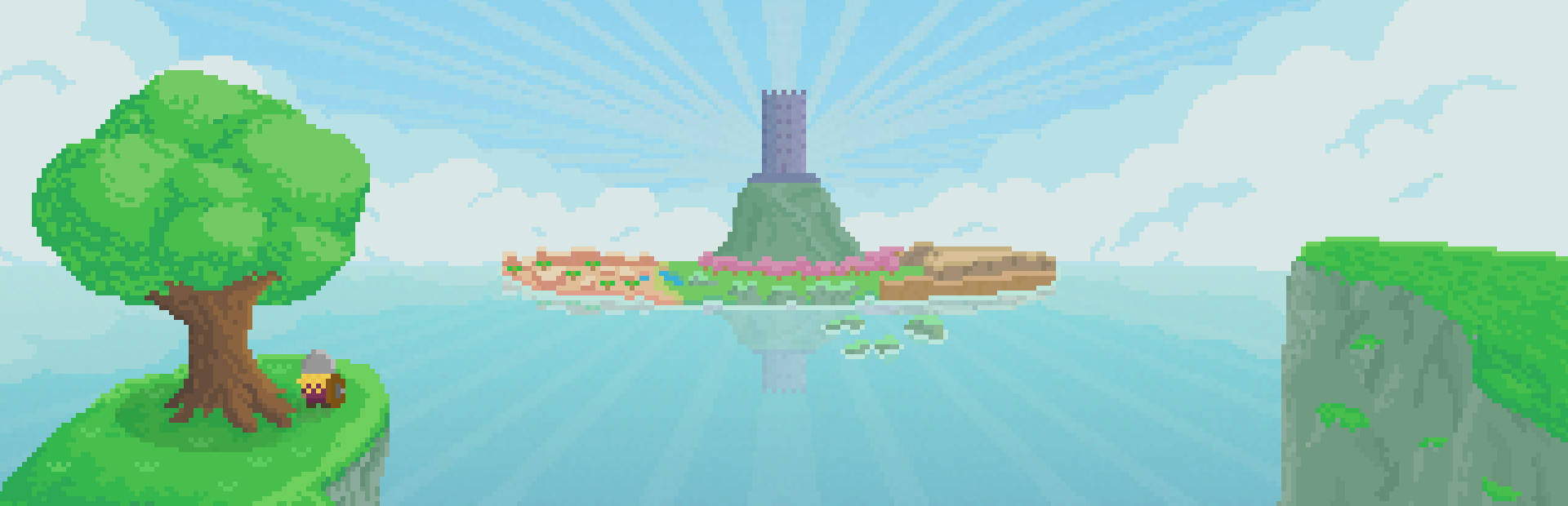
I have a soft spot for solo-dev projects that commit fully to a single mechanical idea and then squeeze every drop out of it. Skjoldur Story is exactly that kind of small, confident game. Snoozing Pixel LLC built the whole experience around one rule: you carry no weapon, only a shield, and everything you need to survive has to be borrowed from the enemies trying to hurt you. The core loop is a deflection-and-absorption system. Block an incoming projectile and you temporarily steal its ability; fire it back to solve a puzzle, blast open a path, or chip away at a boss. Each of the four main zones introduces its own enemy roster with distinct projectile behaviors, and each dungeon at the end of those zones is essentially a themed puzzle gauntlet built around one specific absorbed ability. Ooze globs in the grassy starting area give way to very different mechanics as you push into desert and beyond. The overworld is genuinely non-linear: power stones needed to unlock dungeons are scattered across the map, and you can tackle them in basically any order you choose, with the final tower gated only until everything else is cleared. On top of that, the live map updates in real time to show unopened chests and secret rooms, which makes completionist runs feel genuinely supported rather than left to guesswork. The visual language is soft pastels that shift palette per zone. It is not flashy pixel art, but it is clearly hand-considered. Little critters animate in the margins, minigame-like hidden rooms break the rhythm, and the overworld has an unhurried warmth to it. The soundtrack sits in that same register: calming rather than exciting, the kind of music that lets the puzzle work breathe. There are real friction points worth flagging. The death-and-reset loop is the game's biggest stumble. Dying returns you to the start of an area, resetting enemies and, crucially, some overworld puzzles that block progress. Dungeons are more forgiving, respawning you at the entrance or boss threshold, but the overworld checkpointing is inconsistent and reviewers noted it creates repetitive stretches that feel like unnecessary padding. The shield controls can also mislead first-time players: the throw button both raises and fires, so early on it is easy to accidentally hurl your absorbed ability straight into trouble rather than deflecting the next incoming shot. This confusion front-loads the difficulty in a way that feels like a tutorial gap rather than intentional design. At roughly ten hours for a full run, the game knows its scope. It does not artificially stretch itself. The puzzle design earns most of its praise, and the boss encounters are built smartly around whichever mechanic you have been drilling in that dungeon. Where it falls shorter is in structural originality: the overworld/dungeon/big-boss skeleton is drawn very close to a certain beloved Nintendo template, and players who arrive hoping for a fresh take on the form will notice the seams. Players who just want a gentle, well-made homage to that era will find something tidy and sincere here.

Indie & narrative
Tags
System Requirements
Minimum
- OS
- Windows 7
- Memory
- 4 GB RAM
- Storage
- 500 MB available space
- Graphics
- OpenGL 2.0+ Compatible Card
- Processor
- 1.2 Ghz or faster
Recommended
- OS
- Windows 10
- Memory
- 8 GB RAM
- Storage
- 1 GB available space
- Graphics
- OpenGL 3.0+ Compatible Card
- Processor
- 2.0 Ghz or faster
Keep exploring
Community Discussion
Be the first to comment on Skjoldur Story.
Reviews & Ratings
No ratings available
Game Info
- Developer
- Snoozing Pixel LLC
- Publisher
- Snoozing Pixel LLC
- Release Date
- Apr 30, 2021