Shield Shock
A couch-fighter built around one mechanic - block the projectile, send it back harder - that works best when you've got three other people on the sofa and zero plans for the next two hours.
GamerScout Verdict
Best for groups of four with controllers ready - solo players and online-only gamers will hit its ceiling fast.
Compare Prices(5 stores)
Every store in this table quotes us in euros, so the EUR figure is the price the seller actually set, not our arithmetic — which is why EUR is also the currency we rank in. We only list an offer here when the store gives us its price in euros, so nothing in this table is a number we invented.
Pick USD, PLN, GBP, CAD or AUD in the header and we convert from EUR at the European Central Bank reference rate — converted amounts are prefixed with ~. Your bank or the store may apply a different rate at checkout. We never hide offers based on where you are: everyone sees this whole table.
We may earn a commission when you buy games through links on this page — at no extra cost to you. It never affects our rankings or verdicts.
Price History
Screenshots & Media
About Shield Shock
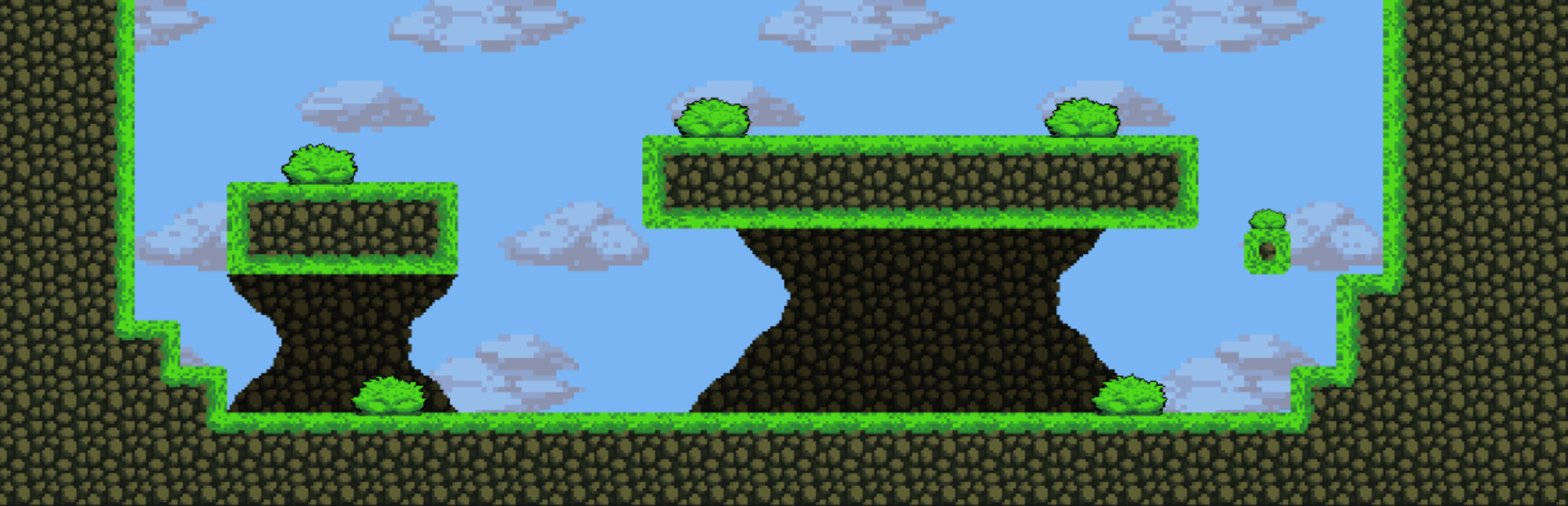
I'll be straight with you: Shield Shock is the kind of micro-indie that lives or dies entirely by the people in the room with you. The core loop is a reaction-based one - enemies and opponents fire projectiles, you time your shield block, and that same projectile comes flying back at them with extra menace. It's a tight, single-sentence concept that a solo dev built into a proper pixel-art platform fighter, and the surprising thing is that it mostly holds together. The roster covers several distinct heroes, each with their own attack profile and stat spread. Patch notes from the game's update history show real character work: the Dragon trades raw speed for scaled power-shots and a lava step, while the Golem is designed as a close-combat brawler, firing quick energy bursts in all directions for players who want to be in an opponent's face rather than lobbing projectiles across the screen. The developer acknowledged Smash Bros as a clear reference point during development - platform movement, items, character-specific attacks - and you can feel that lineage. This isn't a Smash clone that forgot to add anything of its own though; the block-and-reflect timing sits at the center of every engagement in a way that gives the game a distinct identity. For modes, you get a Story/Arcade path - a horde wave structure where enemies scale up every ten waves with enchanted buffs (red variants hit harder, blue variants tank more hits, yellow variants are faster and attack quicker) - and a Party/Vs mode for direct four-player local competition. There's also a stamina bar layered into combat, pop-up shops mid-run for class upgrades, and costumes to unlock per hero. That's a reasonable content stack for a budget release from a solo developer. What it is not is an online multiplayer game with any kind of ranked infrastructure - Steam does list Remote Play Together support, which gives you a workaround, but native netcode is not part of the pitch here. If you came looking for a ladder to climb or a ping graph to obsess over, look elsewhere. The honest limitation is depth over time. The reflect mechanic is satisfying for the first several sessions - reading a projectile, timing the shield, watching it come back - but there's a ceiling on how nuanced it can get in a game at this scale. Solo runs through the Blocker Onslaught waves can feel repetitive past a certain point without a second player to keep things unpredictable. The hero roster gives you reasons to experiment, but the tactical ceiling isn't high enough to sustain long solo grinds. This is party-night software, not a training grind. Controller support is full and that matters here - trying to time shield blocks on a keyboard is going to feel worse than it should. Four controllers in, four people who are willing to lose because the format is fun, and Shield Shock lands exactly where it aims. Solo or online-first players should probably keep walking.

Shooters
Tags
System Requirements
Minimum
- OS
- Microsoft® Windows® XP / Vista / 7
- Memory
- 1 GB RAM
- DirectX
- Version 9.0
- Storage
- 250 MB available space
- Graphics
- DirectX 8-compatible graphics card with at least 32MB of video memory
- Processor
- 1.2GHz
Recommended
- OS
- Microsoft® Windows® XP / Vista / 7 / 8 / 10
- Memory
- 2 GB RAM
- DirectX
- Version 9.0
- Storage
- 250 MB available space
- Graphics
- DirectX 8-compatible graphics card with at least 32MB of video memory
- Processor
- 1.2GHz
Keep exploring
Community Discussion
Be the first to comment on Shield Shock.
Reviews & Ratings
No ratings available
Game Info
- Developer
- Reece Geofroy
- Publisher
- Reece Geofroy
- Release Date
- Mar 20, 2020
