Sheltered 2
Forty-five percent positive Steam reviews on nearly 2,000 ratings should tell you something. Sheltered 2 has real strategic bones, but reaching them requires pushing through one of the clunkiest onboarding experiences in recent colony-sim memory.
GamerScout Verdict
Worth it for committed colony-sim veterans who can stomach a steep learning curve; a frustrating misfire for everyone else.
Compare Prices(9 stores)
Every store in this table quotes us in euros, so the EUR figure is the price the seller actually set, not our arithmetic — which is why EUR is also the currency we rank in. We only list an offer here when the store gives us its price in euros, so nothing in this table is a number we invented.
Pick USD, PLN, GBP, CAD or AUD in the header and we convert from EUR at the European Central Bank reference rate — converted amounts are prefixed with ~. Your bank or the store may apply a different rate at checkout. We never hide offers based on where you are: everyone sees this whole table.
We may earn a commission when you buy games through links on this page — at no extra cost to you. It never affects our rankings or verdicts.
Price History
Screenshots & Media
About Sheltered 2
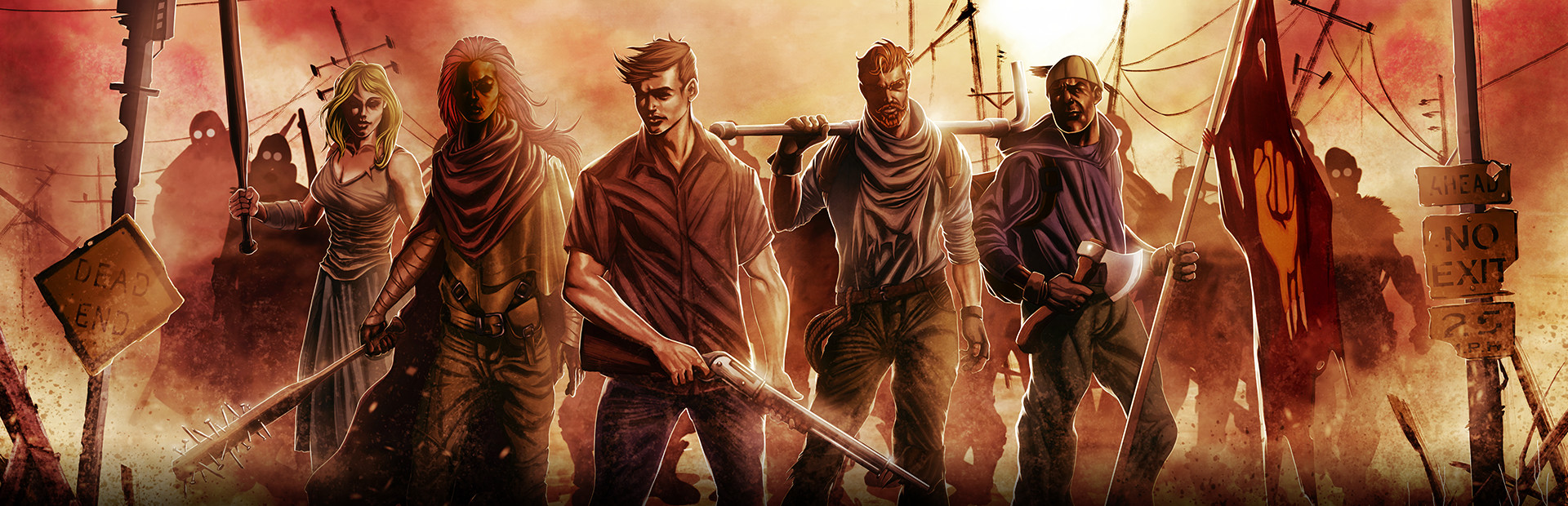
I've spent enough time with survival colony sims to recognize the difference between a game that's genuinely hard and one that's hard because it forgets to explain itself. Sheltered 2 lands somewhere uncomfortable between the two. The core proposition is solid: start with three survivors in an underground bunker, manage food, water, sleep, hygiene, and medicine while simultaneously sending expedition parties out onto a hex-grid overworld to scavenge junk, meet factions, and either broker alliances or pick fights. That loop, on paper, reads like a tighter Rimworld with post-apocalyptic dressing. The execution is a messier story. Let's start with what actually works, because there is a real game here. The faction diplomacy layer is the most interesting addition over the original. Six rival groups populate the wasteland, and you can radio them once contact is established to trade resources, run jobs, or declare war. Your leader character, built from scratch at game start with distributed stats across strength, perception, intelligence, and charisma, plus a selection of positive and negative traits, functions as a permanent-death anchor. Leader dies, run ends. That single design choice concentrates every tactical decision in a way that cheaper colony sims never manage. Expedition combat runs turn-based with front-row and back-row positioning, a body-targeting system reminiscent of Fallout's VATS, and equipment built almost entirely from scavenged components like circuit boards, glass shards, and salvaged pipe. The resource scarcity is legitimate: water depends heavily on rain collectors and purifiers, and watering your food garden pulls from the same reservoir you need for drinking and hygiene. Planning several in-game weeks ahead is not optional, even on lower difficulty settings. The problems are real, though, and they cluster around two areas: the interface and the tutorial. Pages of information pop-ups greet newcomers with no sensible sequencing, and the UI requires too many clicks to accomplish basic tasks. Switching between the crafting table and the workbench (two separate menus, for reasons that are never explained) while also needing a third menu to check total stockpile levels is a workflow that wastes your attention on navigation rather than decision-making. The overworld hex map is procedurally generated and no two runs play identically, which is a genuine strength, but the map legibility is poor enough that early expeditions feel like guesswork. At launch, several reviewers flagged critical bugs in the water replenishment systems specifically, bugs severe enough to make runs unwinnable through no strategic fault of the player. Patching has happened since 2021, though the Steam user score sitting at a mixed 45 percent positive suggests the community's patience wore thin before those fixes landed broadly. Who is this actually for? Strategy players who have already cleared Oxygen Not Included or Frostpunk and are looking for something scrappier, with more interpersonal faction texture and a permanent-death tension that those games lack. The micromanagement density is closer to Dwarf Fortress lite than Fallout Shelter. New players to the colony-sim genre will struggle: the tutorial does not respect your time, and the cognitive load of simultaneously managing individual survivor schedules, shelter build queues, crafting chains, and faction diplomacy hits all at once rather than in layered stages. If you are willing to treat the first two or three runs as learning losses rather than failures, the strategic decisions in the mid-to-late game get genuinely interesting. The moment you start optimizing which survivors to assign to expeditions based on their stat spreads, and which factions to befriend as a water buffer versus which to raid for components, the game reveals real depth. The presentation is serviceable but unremarkable. The 3D-viewed-through-a-2D-window approach makes the bunker feel alive with small animations, but the color palette is relentlessly grey-brown, and nothing in the art direction gives the factions much personality beyond their names. There is no narrative to speak of beyond the mechanical pressure of survival, which is a legitimate design choice, but it means there is nothing to carry you through the rough early hours except the raw pleasure of systems-wrangling.

Strategy & simulation
Tags
System Requirements
Minimum
- OS
- Windows 10
- Memory
- 8 GB RAM
- DirectX
- Version 11
- Storage
- 3 GB available space
- Graphics
- NVIDIA GeForce GTX 770, 4 GB or AMD Radeon R9 380, 4 GB
- Processor
- Intel Core i5-2300 or AMD FX-6300
Recommended
- OS
- Windows 10
- Memory
- 8 GB RAM
- DirectX
- Version 11
- Storage
- 3 GB available space
- Graphics
- NVIDIA GeForce GTX 1060, 6 GB or AMD Radeon RX 580, 4 GB
- Processor
- Intel Core i5-3470 or AMD FX-8350
Keep exploring
Community Discussion
Be the first to comment on Sheltered 2.
Reviews & Ratings
No ratings available
Game Info
- Developer
- Unicube
- Publisher
- Team17
- Release Date
- Sep 21, 2021