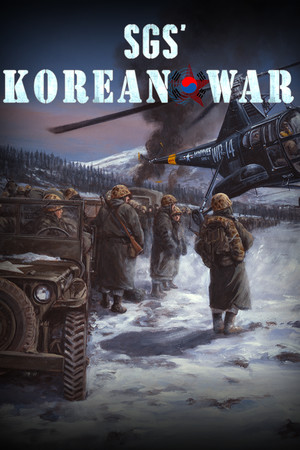
SGS Korean War
Eleven scenarios and a 150-turn grand campaign make this the most complete operational wargame on the Korean War available on PC, but the SGS engine's air phase will test your patience before it rewards your curiosity.
GamerScout Verdict
The definitive PC wargame on the Korean War, best suited to operational strategy fans willing to wrestle with a clunky air phase.
Compare Prices(4 stores)
Every store in this table quotes us in euros, so the EUR figure is the price the seller actually set, not our arithmetic — which is why EUR is also the currency we rank in. We only list an offer here when the store gives us its price in euros, so nothing in this table is a number we invented.
Pick USD, PLN, GBP, CAD or AUD in the header and we convert from EUR at the European Central Bank reference rate — converted amounts are prefixed with ~. Your bank or the store may apply a different rate at checkout. We never hide offers based on where you are: everyone sees this whole table.
We may earn a commission when you buy games through links on this page — at no extra cost to you. It never affects our rankings or verdicts.
Price History
Screenshots & Media
About SGS Korean War
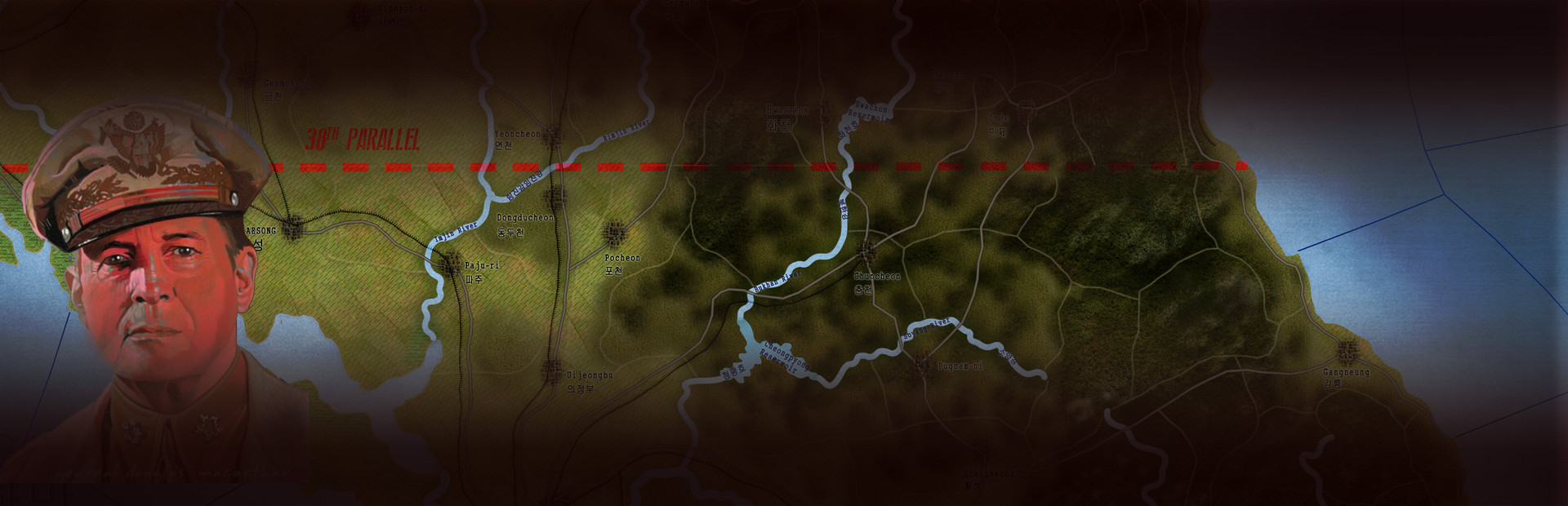
I've spent enough time with Paradox grand campaigns and hex-and-counter wargames to spot the difference between a historical skin glued onto a thin system and a design that actually cares about how a specific war worked. SGS Korean War sits firmly in the second category. Strategy Game Studio built this around the operational level of the Korean conflict, simulating regimental-scale movement and combat across a peninsula that swung from Blitzkrieg-style breakthroughs in 1950 to grinding fortified stalemate by 1952. Both phases are represented, and that tonal shift is genuinely the game's most impressive trick. The scenario ladder here is the smartest entry point I'd recommend for newcomers to the SGS engine. Short three- and four-turn slices cover the Chosin Reservoir, the Inchon landing, the Pusan Perimeter defense, and the 1951 Chinese Spring Offensive. You can finish one of those in an afternoon and walk away with a concrete feel for how supply lines, air support allocation, HQ positioning, and card play actually interact, before committing to the 1951 Campaign's 100 turns or the full Grand Campaign's 150-turn slog from June 1950 to the armistice. That modular on-ramp is rarer in this genre than it should be, and it makes a real difference. The asymmetric side design also holds up: UN forces lean on air superiority and economic weight to compensate for thinner manpower, while the Communist side fields mass infantry with waves of Chinese reinforcements and, eventually, MiG fighters to contest the skies. Neither side plays the same way, which doubles the effective replay value without any additional content. The card and event system is where the game earns its depth. Political and diplomatic variables - troop rotation, partisan activity, strategic bombing of Communist supply infrastructure, popular resistance - all run through card play rather than fiddly menu systems. It keeps the pacing honest and injects genuine uncertainty into each replay. The combat resolution itself demands attention to terrain, weather, and stacking limits at the regimental level, which rewards players who think in terms of exploitation corridors and logistics networks rather than brute-force unit trading. Text files are also moddable, a small but appreciated detail for the community longevity side of the ledger. The honest criticism sits with the air phase. Community veterans at wargaming forums have flagged the Air Defense Phase as the engine's weakest link, describing the interface as clumsy and occasionally counterintuitive. For the UN player, managing air superiority, close air support, and strategic bombing across multiple fronts can tip from engaging decision-making into friction-generating busywork. Playing the Communist side is more forgiving here precisely because their air presence is limited until the MiGs arrive. The game has received multiple post-launch patches, including version 1.5 and continued fixes, which have addressed some rougher edges, but the air management issue is structural enough that it warrants a warning. For anyone coming from boardgame wargames or the deeper end of PC strategy, this is a serious operational simulation of a conflict that gets almost no comparable coverage in the genre. The scenario structure makes it approachable. The grand campaign makes it an investment. The card system keeps it replayable. Just be prepared to spend a tutorial session or two specifically on air movement before the rest clicks into place.

Strategy & simulation
Tags
System Requirements
Minimum
- OS
- Windows 11+
- Memory
- 4 GB RAM
- DirectX
- Version 9.0
- Storage
- 2 GB available space
- Graphics
- 1024 MB DirectX 11 compatible
- Processor
- 2.5 GHz Intel Dual Core
- Sound Card
- DirectX Compatible
Recommended
- OS
- Windows 11 or higher
- Memory
- 8 GB RAM
- DirectX
- Version 11
- Storage
- 4 GB available space
- Graphics
- 2048 MB DirectX 11 compatible
- Processor
- 2.5 GHz Intel Dual Core
- Sound Card
- DirectX 11+ Compatible
Keep exploring
Community Discussion
Be the first to comment on SGS Korean War.
Reviews & Ratings
No ratings available
Game Info
- Developer
- Strategy Game Studio
- Publisher
- Avalon Digital
- Release Date
- Oct 27, 2022