Selfloss
A three-person Kazakh studio built a purgatory out of Slavic myth and whale-worship, and it nearly sticks the landing. Worth your 8 hours if grief-soaked atmosphere beats polished controls on your priority list.
GamerScout Verdict
Best for players who put atmosphere and emotional sincerity first and can tolerate rough combat to get there.
Compare Prices(9 stores)
Every store in this table quotes us in euros, so the EUR figure is the price the seller actually set, not our arithmetic — which is why EUR is also the currency we rank in. We only list an offer here when the store gives us its price in euros, so nothing in this table is a number we invented.
Pick USD, PLN, GBP, CAD or AUD in the header and we convert from EUR at the European Central Bank reference rate — converted amounts are prefixed with ~. Your bank or the store may apply a different rate at checkout. We never hide offers based on where you are: everyone sees this whole table.
We may earn a commission when you buy games through links on this page — at no extra cost to you. It never affects our rankings or verdicts.
Price History
Screenshots & Media
About Selfloss
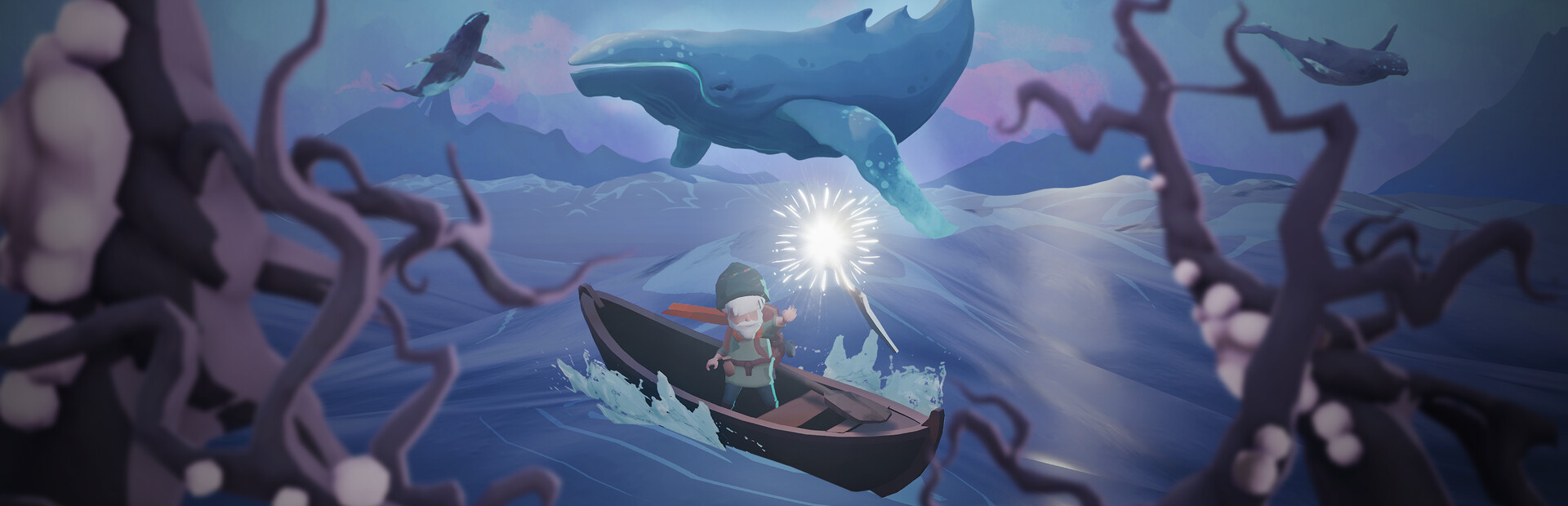
I keep a soft spot for games that clearly cost their makers something personal, and Selfloss has that quality radiating off every waterlogged scene. Goodwin Games is a micro-studio out of Kazakhstan, and what they have constructed here, a purgatory-like realm called Yord soaked in Slavic and Icelandic folklore, feels handmade in the best sense. The isometric camera drifts slowly behind Kazimir, an old healer called a volhv, as he rows through mist-laden marshes and ruined shorelines, and the stillness of that camera has a meditative pull that most atmospheric indies can only gesture toward. The soundtrack by Arigto deserves specific mention: it sits somewhere between folk ritual and ambient score, and there are moments where the audio and the visuals lock together into something that feels genuinely rare. The core loop runs on three pillars: boat travel, light-staff puzzles, and combat. The staff is the cleverness at the heart of the game. You control Kazimir and the staff simultaneously but also independently, which means the beam of light can hang on a rune while you reposition, or freeze a Miasma-beast in place while you close in with the sickle. Puzzles ask you to activate rune sequences in order, melt Miasma growths from barriers, or guide flying fish between waypoints, and the best of them have a quiet satisfaction to them, like solving a riddle in a language you only half-understand. The boat sections introduce a charge-dash mechanic and a light-powered sail, and those moments of skimming across open water toward a whale silhouette on the horizon are among the game's finest. Combat is where Selfloss spends most of its credibility and gets little back. Weaker Miasma creatures burst when you hold the beam on them long enough; the hardier ones require you to freeze them, hack with the sickle, step back, and repeat. By chapter four, when the game starts stacking multiple enemies in tight spaces, the friction between what the controls can do and what the encounters demand becomes genuinely aggravating. The sickle has hit-detection issues that reviewers flagged at launch and that have not entirely disappeared. The fixed camera, which is so right for the quiet exploration, becomes a liability in combat, eating your sight lines at the worst possible times. The final boss leans heavily on the boat controls, which is a design call that will frustrate more players than it delights. Story is told almost entirely without dialogue, through wordless pantomime above characters' heads and short dream sequences that intrude on Kazimir's waking journey. A whale mother searching for her child. A mermaid mourning a lost lover. Each NPC Kazimir helps with the Selfloss ritual in turn helps him advance toward his own. The themes of grief, suicide, ecological loss, and the frailty of living things are handled with a sincerity that the game earns slowly, and the final hours land harder than the mixed critical reception might suggest. The ending is divisive, with some critics finding it genuinely A24-level and others calling it ill-conceived. I land closer to the former, but your tolerance for ambiguity will matter here. For players who love Spiritfarer, FAR: Lone Sails, Arise: A Simple Story, or the muted-palette dread of Inside, Selfloss sits comfortably in that company even if it lacks their mechanical polish. It runs 7 to 9 hours, contains 22 collectable lore cards for those who want to excavate the world-building, and knows when to end. The bugs are real and the combat is a chore, but the atmosphere, the music, and the sincerity of the premise carry the weight when the mechanics falter. This is the kind of game I will keep recommending quietly to people who ask if anything surprising came out in 2024.

Indie & narrative
Tags
System Requirements
Minimum
- OS
- Windows 7 / Windows 10
- Memory
- 4 GB RAM
- DirectX
- Version 11
- Storage
- 4 GB available space
- Graphics
- Nvidia GTX 650 / AMD Radeon HD 7750
- Processor
- Intel I3
Recommended
- OS
- Windows 7 / Windows 10
- Memory
- 8 GB RAM
- DirectX
- Version 11
- Storage
- 4 GB available space
- Graphics
- Nvidia GTX 960 / AMD Radeon R9 285
- Processor
- Intel I5
Keep exploring
Community Discussion
Be the first to comment on Selfloss.
Reviews & Ratings
No ratings available
Game Info
- Developer
- Goodwin Games
- Publisher
- Silver Lining Interactive
- Release Date
- Sep 5, 2024