Seal of Evil
Ancient China wuxia ARPGs rarely get this nerdy about elemental theory - Seal of Evil rewards patient loot-crafters and history buffs, but will frustrate anyone expecting open-world freedom or a smooth modern port.
GamerScout Verdict
Best for wuxia fans and Chinese history buffs willing to wrestle with a linear structure and a localization that never quite found its footing.
Compare Prices(4 stores)
Every store in this table quotes us in euros, so the EUR figure is the price the seller actually set, not our arithmetic — which is why EUR is also the currency we rank in. We only list an offer here when the store gives us its price in euros, so nothing in this table is a number we invented.
Pick USD, PLN, GBP, CAD or AUD in the header and we convert from EUR at the European Central Bank reference rate — converted amounts are prefixed with ~. Your bank or the store may apply a different rate at checkout. We never hide offers based on where you are: everyone sees this whole table.
We may earn a commission when you buy games through links on this page — at no extra cost to you. It never affects our rankings or verdicts.
Price History
Screenshots & Media
About Seal of Evil
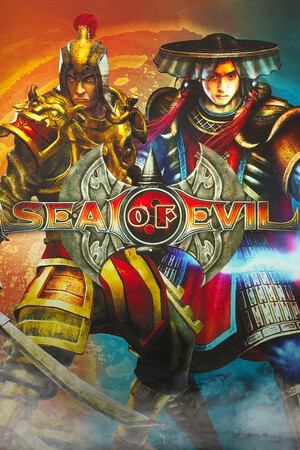
I went into Seal of Evil expecting a budget curio and came out genuinely surprised by the ambition underneath the dated exterior. This is a bird's-eye isometric action RPG rooted in the Warring States period of ancient China, putting you in the sandals of Lan Wei, a witch from the East Baiyue tribe whose father and chief wizard have just died under suspicious circumstances. The historical backdrop - Ying Zheng's relentless Qin expansion grinding smaller peoples into dust - gives the story a real weight that a lot of fantasy RPGs fake with made-up lore. The wuxia mythology layered on top, blending gods, supernatural foes, and legendary artifacts into the actual historical record, is the game's single strongest asset. If you find yourself wanting more Chinese-history-flavored fantasy in your life, this scratches an itch almost nothing else on PC does. The mechanical heart of the game is its five-element system, drawn from classical Chinese philosophy. Wood, Fire, Metal, Water, and Earth each govern different character stats - Wood feeds HP, Metal drives attack, Water fuels magic points, Fire controls strike rate and dodge, Earth covers defense. You pick from five hero archetypes and then channel all your progression points into these elemental affinities rather than into flat stats like strength or endurance. It sounds abstract on paper, but once it clicks, building around elemental synergies becomes genuinely interesting. The item creation system adds another layer: you gather materials attuned to specific elements, craft gear across weapon, armor, helmet, amulet, and ring slots, and chase set bonuses when you combine pieces from the same elemental source. Equipment also visually updates on your characters as it improves, which is a small touch that still feels satisfying. There are over eighty equipment series to work through, and the refinement system means your favorite pieces can grow with you rather than being replaced by the next zone's vendor trash. The honest downsides are significant and worth naming clearly. The game is linear in a way that will genuinely irritate anyone used to open-world exploration. You cannot freely roam between areas - the game gates locations behind quest progression, so if you haven't been told to go somewhere, the path is simply closed. Side quests exist and some are worth doing for the item rewards, but tracking them requires talking to NPCs multiple times across different story stages, which tips over from "organic discovery" into "please just have a quest log" territory. The English localization, carried over from the original mid-2000s release and unchanged in the Steam version, reads like a literal translation that lost most of its warmth in transit. Voice acting is similarly rough. These aren't dealbreakers if you're patient, but they are the friction you will fight throughout a playthrough that can run toward eighty hours with side content included. Replayability is limited. The pre-set cast means there's no character creator, and while the game has multiple endings, the route to each is similar enough that a second run offers diminishing returns. Build variety within a single playthrough is the real appeal, not replay. Steam reception sits at a modest but genuine "Mostly Positive" rating from a small sample of reviews - fans of early-2000s Chinese ARPGs like Prince of Qin (this game's spiritual predecessor and series companion) tend to find it worthwhile, while players arriving from modern action RPGs often bounce off the pacing and interface. Know which camp you're in before committing the hours.

RPGs
Tags
System Requirements
Minimum
- OS
- Windows 7, 10, 11
- Storage
- 3 GB available space
Keep exploring
Community Discussion
Be the first to comment on Seal of Evil.
Reviews & Ratings
No ratings available
Game Info
- Developer
- Object Software
- Publisher
- Strategy First
- Release Date
- Jan 27, 2022