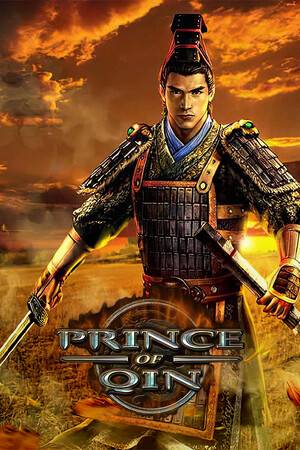
Prince of Qin
A mid-2000s isometric action-RPG set in ancient China that earns its cult status through a genuinely fresh setting and solid party mechanics, but tests your patience with slow pacing and party AI that loves to freelance.
GamerScout Verdict
Best for patient CRPG fans who want a party-based action-RPG in a setting nobody else has bothered to build.
Compare Prices(8 stores)
Every store in this table quotes us in euros, so the EUR figure is the price the seller actually set, not our arithmetic — which is why EUR is also the currency we rank in. We only list an offer here when the store gives us its price in euros, so nothing in this table is a number we invented.
Pick USD, PLN, GBP, CAD or AUD in the header and we convert from EUR at the European Central Bank reference rate — converted amounts are prefixed with ~. Your bank or the store may apply a different rate at checkout. We never hide offers based on where you are: everyone sees this whole table.
We may earn a commission when you buy games through links on this page — at no extra cost to you. It never affects our rankings or verdicts.
Price History
Screenshots & Media
About Prince of Qin
I came to Prince of Qin with the same scepticism I bring to anything marketed as 'the Diablo of ancient China', and honestly, that pitch is both accurate and slightly misleading. The combat loop is real-time point-and-click, Diablo-adjacent in structure, except you are managing a party of up to five characters drawn from five classes: Paladin, Muscleman, Assassin, Wizard, and Witch. That last detail matters more than it sounds. Coordinating a mixed team across 11 chapters and over a hundred scene locations gives the game a tactical texture that pure hack-and-slash titles skip entirely. You can pause at any moment to reassign targets, swap weapons, or eat recovery items, and that pause mechanic saves the experience from its own messier design decisions. The setting is where Prince of Qin genuinely earns its reputation. Historical Qin dynasty China is not the setting you typically get in isometric RPGs, and Object Software leaned into it. The five-element system (Earth, Fire, Water, Wood, Metal) bleeds into combat as an actual rock-paper-scissors damage modifier, not just cosmetic flavour. The crafting system lets the Paladin class in particular harvest raw materials and forge equipment from scratch. On paper that is compelling. In practice, reviewers going back to the original release have flagged that crafted gear tends to underperform looted or purchased items, so unless you enjoy the loop for its own sake, it ends up being a secondary path rather than a build pillar. The problems the game had at original release are still the problems it has today. Party AI is functional but unreliable, especially once your roster fills out. Characters will do sensible things most of the time, like ranged units kiting back to maintain range, but the moment fights involve crowd control or tight corridors the squad starts making choices that will cost you. Pacing is another issue that has not aged out: the world is large, enemy density is uneven, and stretches of travelling between meaningful combat encounters can feel hollow. Fetch-quest side content is plentiful but rarely interesting, and gear scarcity in the mid-game means you may clear multiple chapters using the same weapons without finding a meaningful upgrade. The English translation is rough, which blunts what is otherwise a genuinely layered political story about succession, betrayal, and the collapse of an empire. For the audience reading this right now, Prince of Qin is a time capsule with specific appeal. If you want a CRPG-adjacent action game with a party system, a setting that nobody else has touched, multiple endings tied to quest completion and team composition, and a slower, more deliberate pace than modern ARPGs, this delivers. If your frame of reference is Path of Exile or even Grim Dawn, the itemisation and combat feedback will feel thin. The multiplayer exists, but I would not make it a selling point given the vintage of the netcode. Go in for the singleplayer political drama and the elemental mechanics. Keep expectations calibrated to 2002.

Shooters
Tags
System Requirements
Minimum
- OS
- Windows 7, 10, 11
- DirectX
- Version 9.0
- Storage
- 2 GB available space
Keep exploring
Community Discussion
Be the first to comment on Prince of Qin.
Reviews & Ratings
Game Info
- Developer
- Object Software
- Publisher
- Strategy First
- Release Date
- Oct 26, 2021