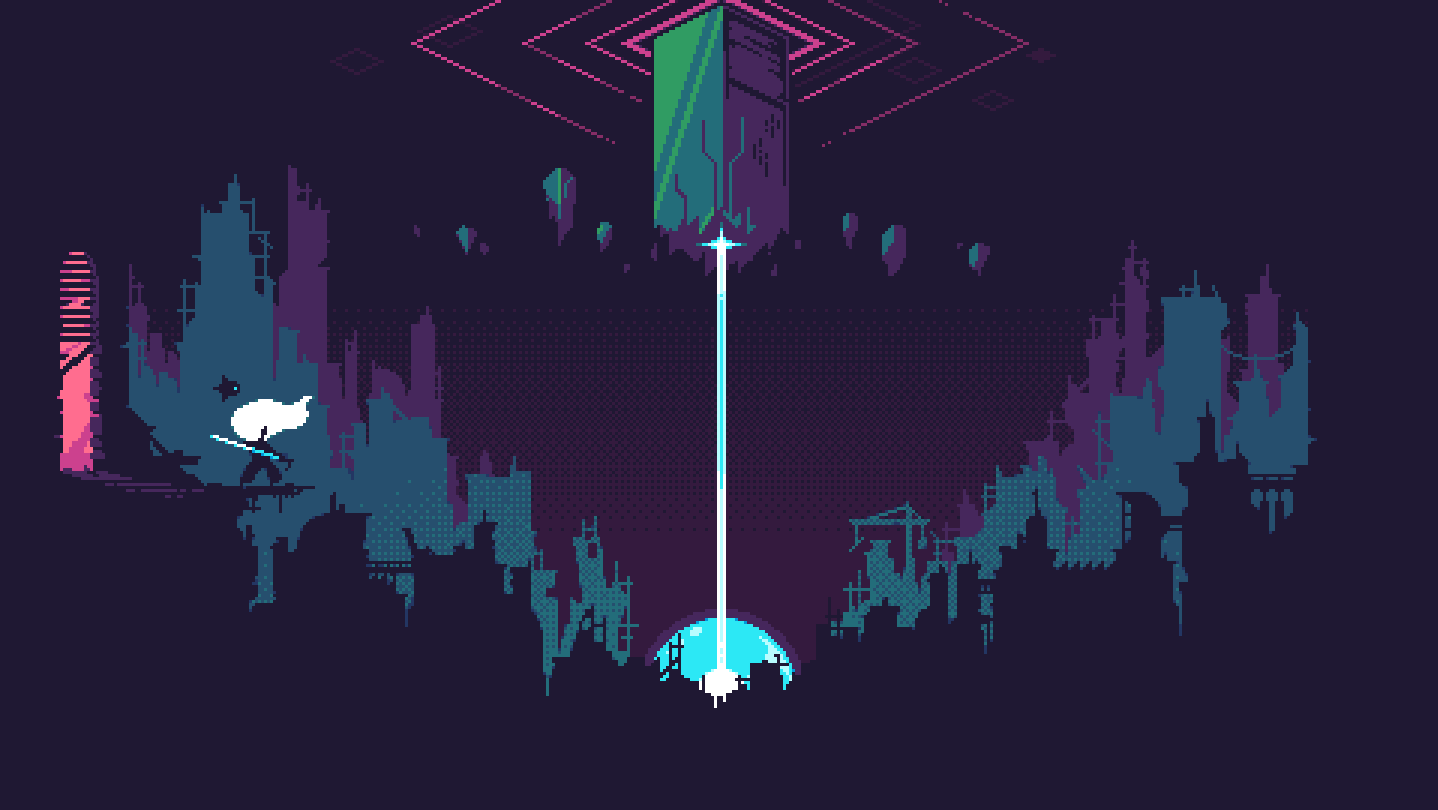
ScourgeBringer
ScourgeBringer is a kinetic roguelite where you dash and slash through procedural rooms at breakneck speed, it rewards aggression and punishes hesitation.
GamerScout Verdict
Best for action-roguelite fans who want to master movement systems rather than grind stat upgrades - loud, fast, and honest about what it is.
Compare Prices(7 stores)
Every store in this table quotes us in euros, so the EUR figure is the price the seller actually set, not our arithmetic — which is why EUR is also the currency we rank in. We only list an offer here when the store gives us its price in euros, so nothing in this table is a number we invented.
Pick USD, PLN, GBP, CAD or AUD in the header and we convert from EUR at the European Central Bank reference rate — converted amounts are prefixed with ~. Your bank or the store may apply a different rate at checkout. We never hide offers based on where you are: everyone sees this whole table.
We may earn a commission when you buy games through links on this page — at no extra cost to you. It never affects our rankings or verdicts.
Price History
Screenshots & Media
About ScourgeBringer
ScourgeBringer is a free-moving roguelite platformer from Flying Oak Games, and the operative word is free. Kyhra floats around each room with almost zero gravity friction, meaning you are always airborne, always chaining melee slashes into gunshots into dashes. The movement system is the whole game. Learn it and the procedurally generated floors feel like a rhythm you can finally hear. Ignore it and every elite enemy will chew through you before you finish reading the room. That distinction matters because the learning curve is real and somewhat front-loaded, but the payoff is a combat loop that genuinely few games in the genre can match for pure momentum. The roguelite structure is standard in the best sense. You die, you bank a small amount of Curse currency, you unlock passive upgrades on a sprawling skill tree, and you go again. Runs last somewhere between a few minutes (early deaths) and thirty-plus (when things click), and the permanent progression moves at a pace that always feels like forward motion rather than a grind tax. Boss encounters punctuate each zone and range from readable pattern fights to absolute blenders that will test whether you have actually internalized the dodge-cancel mechanics or were just coasting on them. The pixel art is sharp and purposeful, dark industrial palettes broken up by electric blues and reds that read clearly even at high speed, which matters more than it sounds when you are trying to parse enemy telegraphs mid-air. The soundtrack deserves its own paragraph. Carpenter Brut's score sits in a lane somewhere between synthwave and industrial metal, and it syncs with the aggression of the combat in a way that feels intentional rather than atmospheric wallpaper. It is the kind of music that makes dying feel like a dramatic pause rather than a failure. Flying Oak leaned hard into the sonic identity here, and it shows. This is one of those smaller releases where the audio is doing as much heavy lifting as the design. Where ScourgeBringer falls short is in mid-run variety. The weapon and ability modifiers you pick up between rooms can reshape a run in satisfying ways, but the pool occasionally serves you near-duplicate options that flatten the decision-making. Some players will also find the early zones repetitive until the skill tree opens up enough to let builds diverge. And if you are coming from something like Dead Cells expecting environmental storytelling and dense lore, the narrative here is thin. Kyhra's arc exists, the world-building is gestured at, but the game is primarily a movement and combat exercise. That is not a flaw so much as a design choice, but it is worth naming. At roughly ten to twenty hours to see the credits with some mastery under your belt, and more if you chase the harder difficulty modifiers, ScourgeBringer knows its scope and does not overstay its welcome. Flying Oak built something tight, loud, and genuinely fun to get better at. For fans of fast-twitch roguelites that reward actual mechanical improvement over stat padding, this one earns its Very Positive rating honestly.

Indie & narrative
Tags
System Requirements
Minimum
- Processor
- 1.5 GHz CPU
- Memory
- 2048 MB RAM
- Graphics
- OpenGL 3.0 (DirectX® 10) compliant graphics card and driver
- DirectX
- Version 10
- Storage
- 300 MB available…
Recommended
- OS
- 64bit Microsoft® Windows® 10 (version 1607 or better)
- Processor
- 64bit Multi-core 2Ghz CPU
- Memory
- 2048 MB RAM
- Graphics
- OpenGL 3.0 (DirectX® 10) com…
DLC & Add-ons for ScourgeBringer2
Expansions, DLC packs and add-on content for this game. Click any item to see store offers.
Keep exploring
Community Discussion
Be the first to comment on ScourgeBringer.
Reviews & Ratings
Game Info
- Developer
- Flying Oak Games
- Publisher
- Dear Villagers
- Release Date
- Oct 21, 2020