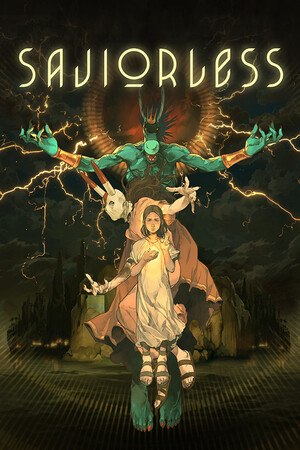
Saviorless
A hand-crafted Cuban debut that earns every comparison to Limbo and Inside, then quietly does something stranger with its narrators, its mortality, and your expectations.
GamerScout Verdict
Best for players who want a short, moody puzzle-platformer with a genuine narrative idea and can tolerate punishing checkpoints.
Compare Prices(8 stores)
Every store in this table quotes us in euros, so the EUR figure is the price the seller actually set, not our arithmetic — which is why EUR is also the currency we rank in. We only list an offer here when the store gives us its price in euros, so nothing in this table is a number we invented.
Pick USD, PLN, GBP, CAD or AUD in the header and we convert from EUR at the European Central Bank reference rate — converted amounts are prefixed with ~. Your bank or the store may apply a different rate at checkout. We never hide offers based on where you are: everyone sees this whole table.
We may earn a commission when you buy games through links on this page — at no extra cost to you. It never affects our rankings or verdicts.
Price History
Screenshots & Media
About Saviorless
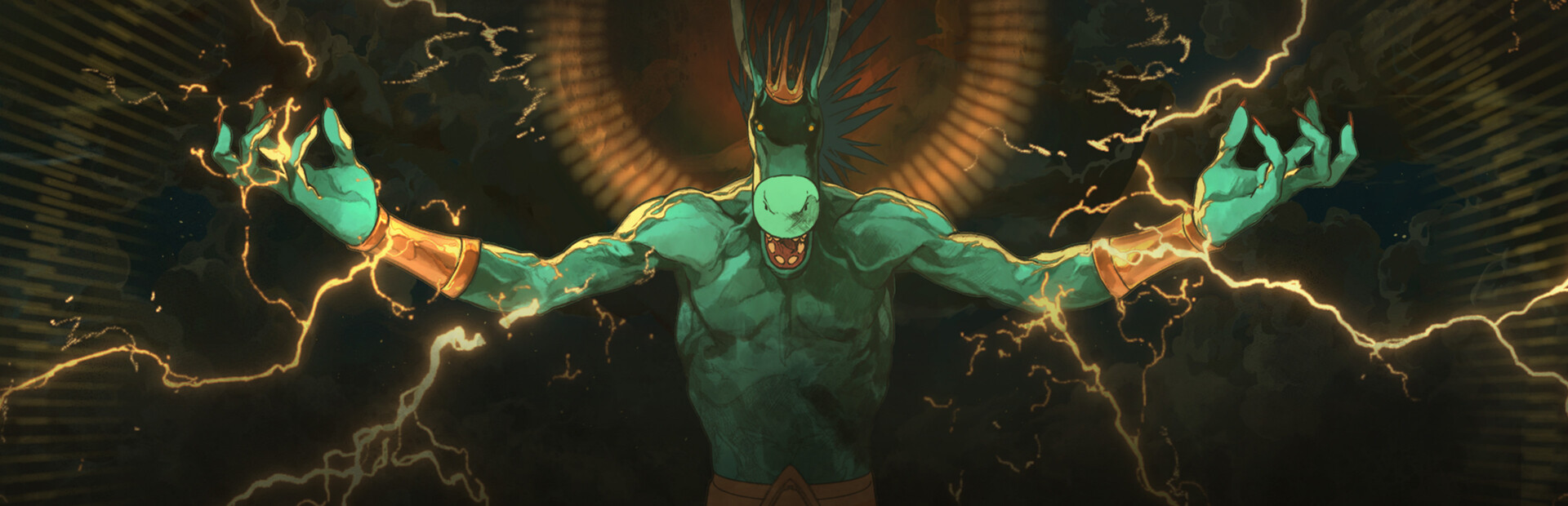
I have a soft spot for games that arrive carrying the weight of their own making, and few 2024 releases carry more of it than Saviorless. Empty Head Games spent the better part of eight years building this thing out of Havana, contending with power outages, team turnover, trademark disputes, and a geopolitical situation that made funding nearly impossible. Knowing none of that context, the finished game still feels intentional in a way that stops you short. Knowing it, the craft becomes something close to astonishing. What you are actually playing is a 2D puzzle-platformer organized around three protagonists with radically different movement languages. Antar, the game's central boy, has no weapons. He survives by reading the environment: luring enemies into traps, pulling levers, redirecting machinery, crouching under the electric fields that metallic creatures project on contact. One touch kills him, which means every new hazard is a small puzzle in threat management before it is ever a reflex test. Nento, the hunter who appears mid-game, plays with a blunter vocabulary, hit and dash, two buttons, visceral and deliberately limited. Then there is Antar's Savior form, a masked transformation that merges both styles: you attack freely but your white-halo health bar is also a ticking timer, replenished only by dealing damage or breaking the environment around you. The game lasts somewhere between four and six hours depending on how thoroughly you hunt the story pages scattered across its six levels, and those page collectibles are genuinely worth chasing. Each level has its own biome, its own mechanical wrinkle, and its own particular shade of dark. The narrative frame is where Saviorless separates itself from its obvious inspirations. Three narrator figures sit above the action, bound by arcane rules to retell Antar's story exactly as it was always told. When the elder narrator falls asleep, the younger two start improvising, pulling in new characters and rewriting outcomes, and the game's entire metafictional argument hinges on whether a story can escape the people who insist on telling it. It is genuinely strange material, in the best possible sense, and the bickering between narrators carries more tension than most boss arenas. The payoff is abstract enough that some players will find it unsatisfying, and the multiple endings, tied to your page collection rate, do not deliver the clean resolution that completionists might expect. That ambiguity is a deliberate choice, not a loose end, but your tolerance for unreliable narration will determine whether you read it as depth or frustration. The weaknesses are real and consistent across reviews. Checkpoint placement in the later levels can feel punishing, especially when a one-hit kill sits immediately after a sequence you have just spent five minutes mastering. The platforming has a floaty, slightly heavy quality that one review compared to Flashback, precise but not forgiving, and that combination creates friction in the final third when the game tightens its hazard density. The collectible reset mechanic, where handing in an incomplete page set to the chronicler sends you back to the level start, has caught more than a few players off guard. These are genuine friction points, not incidental ones. What carries the experience past those rough edges is the presentation. Every hand-drawn frame feels considered, from the unsettling forest backdrops to the crumbling architecture of the Smiling Islands, and the creatures you encounter have an uncanny valley warmth that makes their grotesque death animations land harder. The music earns its own conversation: ambient and organic in the early levels, shifting toward something more ominous as the story darkens, never announcing itself, just reshaping the air around you. For a game about narration, it is fittingly eloquent when words are not involved.

Indie & narrative
Tags
System Requirements
Minimum
- OS
- Windows 7 (64bit) or later
- Memory
- 4 GB RAM
- DirectX
- Version 10
- Storage
- 8 GB available space
- Graphics
- GeForce 9800GTX+ (1GB)
- Processor
- Intel Core2 Duo E6750 or equivalent
Recommended
- OS
- Windows 10 (64bit) or later
- Memory
- 8 GB RAM
- DirectX
- Version 11
- Storage
- 8 GB available space
- Graphics
- GeForce GTX 560
- Processor
- Intel Core i5
Keep exploring
Community Discussion
Be the first to comment on Saviorless.
Reviews & Ratings
Game Info
- Developer
- Empty Head Games
- Publisher
- Dear Villagers
- Release Date
- Apr 2, 2024