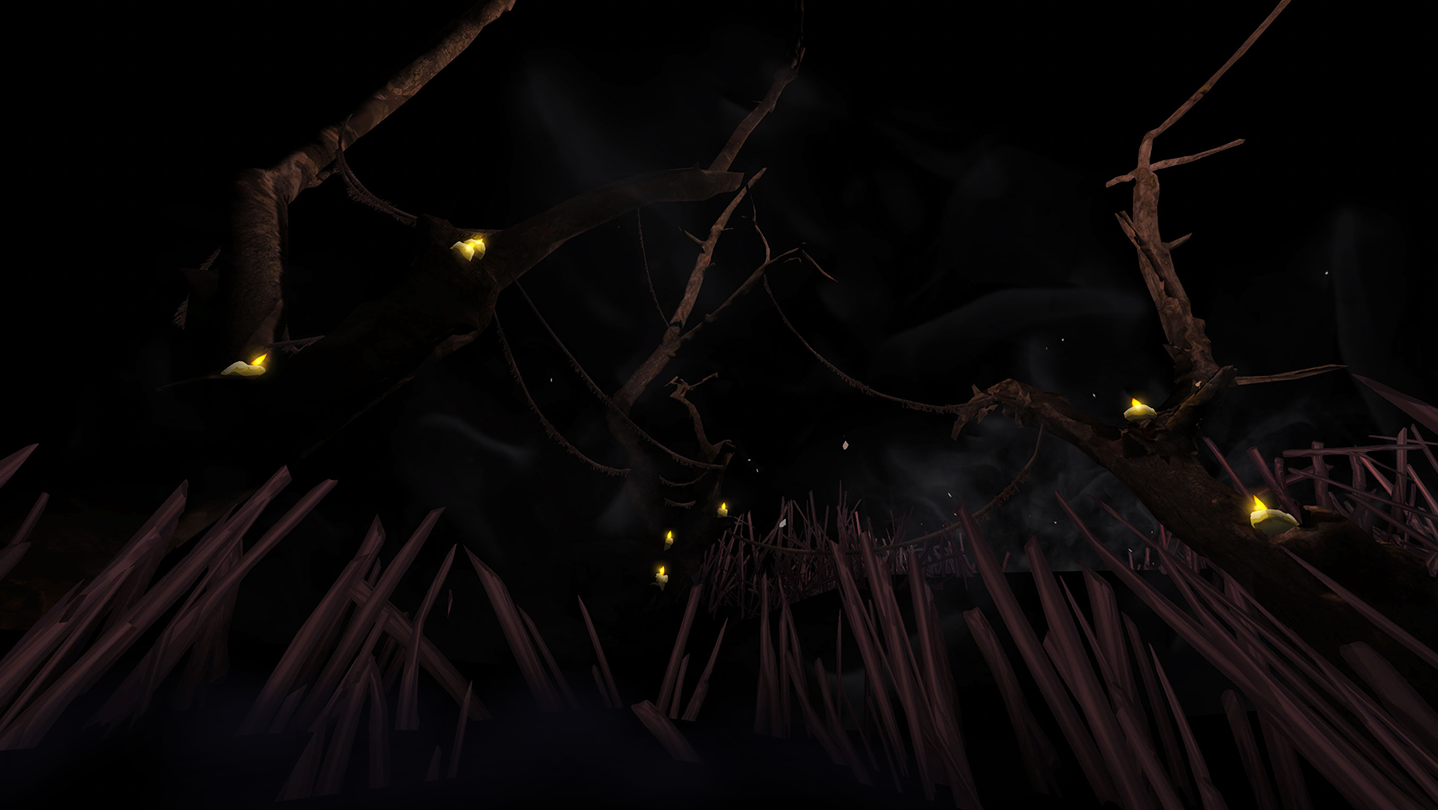
Ring of Pain
A roguelike card crawler where every step around a ring of monsters, loot, and traps forces a split-second risk-reward call. Brutally tight and surprisingly deep.
GamerScout Verdict
A tightly designed card crawler that rewards positional thinking and build experimentation - best for strategy players who want depth in short sessions.
Compare Prices(6 stores)
Every store in this table quotes us in euros, so the EUR figure is the price the seller actually set, not our arithmetic — which is why EUR is also the currency we rank in. We only list an offer here when the store gives us its price in euros, so nothing in this table is a number we invented.
Pick USD, PLN, GBP, CAD or AUD in the header and we convert from EUR at the European Central Bank reference rate — converted amounts are prefixed with ~. Your bank or the store may apply a different rate at checkout. We never hide offers based on where you are: everyone sees this whole table.
We may earn a commission when you buy games through links on this page — at no extra cost to you. It never affects our rankings or verdicts.
Price History
Screenshots & Media
About Ring of Pain
Ring of Pain is a roguelike card crawler built around a single, elegant mechanical premise: enemies, items, and encounters are arranged in a circle, and each move you make around that ring is a commitment. Do you step toward the glowing chest and put a fast-moving horror directly behind you, or do you backstab the crawler on your left before it edges closer? Every run is essentially a sequence of those choices, compressed and relentless. For a strategy player who lives inside decision trees, that core loop is immediately legible and immediately punishing. The gear system is where the depth lives. Weapons, armor, trinkets, and consumables each carry specific stat interactions, and the game hands you enough variables early on that you are constantly building a mental model of your current loadout. Some items scale with your missing health, which rewards aggressive play at low HP. Others trigger on backstabs, rewarding positional discipline. There are items that modify how cards activate around the ring itself, creating synergies that only become visible after a handful of failed runs. The tutorial is sparse by design, and I will be honest: the first two or three sessions will feel opaque. Stick with it. The game respects your intelligence enough to let you figure out the interactions yourself, and that discovery curve is part of the appeal rather than a flaw in onboarding. The roguelike structure is straightforward. You die, you unlock a small selection of new cards or modifiers, and the ring reshuffles. Unlocks feel meaningful rather than cosmetic, and the meta-progression does not hand you power so much as it hands you more options. New item types, new encounter cards, and adjustable difficulty modifiers all layer onto the base experience over time. For players who burned out on roguelikes that gate significant mechanical access behind dozens of hours, Ring of Pain is refreshingly honest: the core kit is good from the start, and unlocks expand breadth rather than fix a broken early game. Where the game has limits is in long-term variety. A committed player will eventually feel the ceiling of the encounter pool. The ring format, while clever, means that late-run tension can tip from exciting into repetitive if you have solved your preferred build archetype. The AI governing enemy behavior is simple by design, which keeps the game readable but also means experienced players spend more time fighting the RNG of item availability than fighting genuinely surprising enemy decisions. If you want a sprawling 200-hour strategic ecosystem with mod support and faction politics, this is not that. Ring of Pain is a focused, hand-crafted puzzle box, and its scope is deliberately small. For the right player, that focus is a selling point. If you have 90 minutes between longer campaigns and want something that demands real attention without demanding a wiki, Ring of Pain earns its Very Positive rating honestly. The 92% approval across five thousand Steam reviews is not a fluke. It is a well-executed, original concept from a solo developer that respects your time and your ability to learn by doing. Approach the first few runs as scouting missions, resist the urge to optimize before you understand the systems, and you will find a card crawler with more strategic texture than its minimalist art style suggests.

Strategy & simulation
Tags
System Requirements
Minimum
- Processor
- 2 GHz
- Memory
- 4 GB RAM
- Graphics
- OpenGL 2.0 compatible with 512 MB RAM (Shared Memory is not recommended)
- Storage
- 1 GB available space
Keep exploring
Community Discussion
Be the first to comment on Ring of Pain.
Reviews & Ratings
Game Info
- Developer
- Simon Boxer
- Publisher
- Humble Games
- Release Date
- Oct 15, 2020