Rack and Slay
Pool physics meet roguelike item-stacking in a package short enough to finish on a lunch break, yet deep enough to chase broken builds across 20 difficulty levels.
GamerScout Verdict
Worth it for roguelite fans who want 20-minute runs with genuine build depth, not for players expecting deep enemy AI or visual polish.
Compare Prices(4 stores)
Every store in this table quotes us in euros, so the EUR figure is the price the seller actually set, not our arithmetic — which is why EUR is also the currency we rank in. We only list an offer here when the store gives us its price in euros, so nothing in this table is a number we invented.
Pick USD, PLN, GBP, CAD or AUD in the header and we convert from EUR at the European Central Bank reference rate — converted amounts are prefixed with ~. Your bank or the store may apply a different rate at checkout. We never hide offers based on where you are: everyone sees this whole table.
We may earn a commission when you buy games through links on this page — at no extra cost to you. It never affects our rankings or verdicts.
Price History
Screenshots & Media
About Rack and Slay
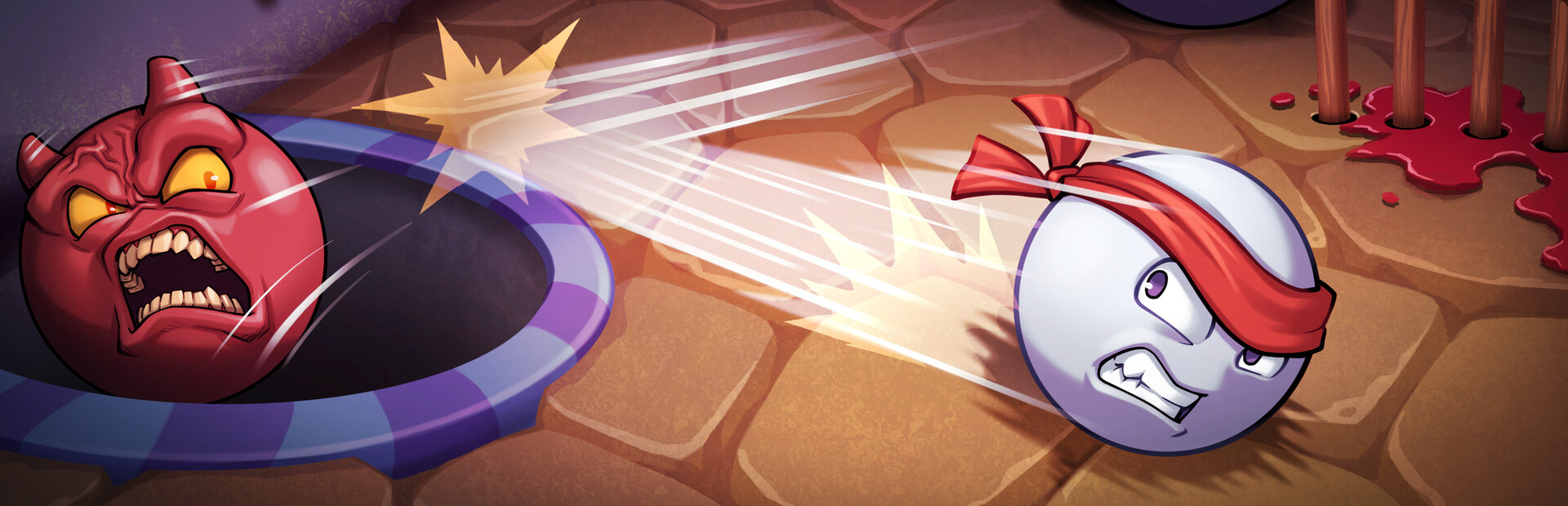
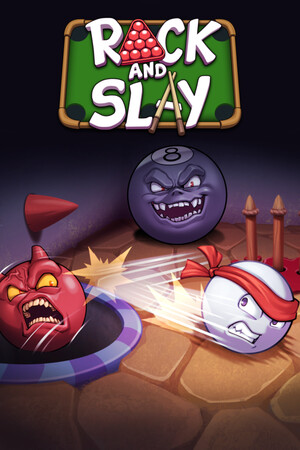
My first thought when I loaded Rack and Slay was that solo developer Fabian Fischer had solved a problem I didn't know the roguelike genre had: pacing. Most roguelikes demand a two-hour commitment before you even see the mid-game. Here, a full run through ten procedurally generated dungeon levels wraps in twenty to thirty minutes, and a condensed Delve Mode cuts that further while piling on extra loot. That structure makes it the rare roguelite where "one more run" is actually true rather than a polite lie. The core mechanic is exactly what it sounds like. You are the cue ball. Each level gives you a limited number of shots to pocket every enemy ball into holes or steer them into spikes, teleporters, bounce pads, and boost zones scattered across the table. The clever part is that almost every environmental hazard cuts both ways: use a spike cluster to insta-pocket a Berserker ball that would otherwise shoot back at you the moment you touch it, or watch helplessly as a poison ball that you cannot touch directly sits between you and the only open pocket. The 8-ball boss, which cannot be pocketed until every other enemy is cleared, is a neat structural rule that gives each run's final stage genuine weight. Combat is entirely physics and geometry rather than stat-based arithmetic, which means reading angles matters more than reading a damage tooltip. The item draft between levels is where the strategy layer lives. Over 100 stackable items cover a wide range, from Trinity, which triples the effect of your next item pick, to Impaler, which adds a spike to insta-kill on contact, to cards that spawn mini-balls on every shot and create genuine pinball chaos. The compounding gets silly in the best sense once Endless Mode unlocks after clearing a normal run. Challenge modes add run-specific modifiers: Drunken Master randomly deflects your aim, Bouncyland turns every obstacle elastic, and Daily Runs refresh with a new modifier combination each day, giving achievement hunters a persistent reason to return. One unusually player-friendly option worth calling out: there is an unlock-all-items button that lets you skip the meta grind entirely if you want to test wacky synergies without grinding for them first. Where the game falls short is where you would expect. Enemy AI is passive by design since most balls do not move unless struck, and while a handful of elites (the Berserker, the poison ball, the blinding enemy) force you to rethink your shot order, the majority of the roster just sits and waits. That keeps the feel closer to a spatial puzzle than a reactive dungeon crawl. Presentation is visibly budget-tier: the visual style reads like a Flash-era browser game and the music fails to elevate the action. The item pool, while large, skews toward gold-earning passive effects rather than physics-altering chaos, which is a missed opportunity given how entertaining the game feels when bombs and mini-balls are ricocheting everywhere. For anyone who likes their roguelikes tight and build-focused rather than sprawling, this is a strong fit. The difficulty ladder runs twenty levels deep, each adding modifiers that genuinely change the math of each shot. Forty achievements give completionists a structured target. It also runs well on Steam Deck, which pairs naturally with the short run format. If you need a 200-hour systems sandbox or a rich enemy ecosystem, look elsewhere. If you want a genuinely original physics puzzle dressed as a roguelite, with enough item synergy to carry dozens of runs, this earns its sub-five-dollar price point without much argument.

Strategy & simulation
Tags
System Requirements
Minimum
- OS
- Windows 7
- Memory
- 4 GB RAM
- DirectX
- Version 10
- Storage
- 700 MB available space
- Graphics
- 2 GB
- Processor
- Intel i5+ or similar
Keep exploring
Community Discussion
Be the first to comment on Rack and Slay.
Reviews & Ratings
No ratings available
Game Info
- Developer
- Ludokultur
- Publisher
- 2 Left Thumbs
- Release Date
- May 27, 2024