Quest for Infamy
A hand-crafted love letter to Sierra's golden era that plays as a scoundrel instead of a hero - worth every minute if you miss the 90s, rough edges and all.
GamerScout Verdict
Best for Quest for Glory veterans and patient point-and-click fans who can stomach rough combat in exchange for genuine heart and replayability.
Compare Prices(7 stores)
Every store in this table quotes us in euros, so the EUR figure is the price the seller actually set, not our arithmetic — which is why EUR is also the currency we rank in. We only list an offer here when the store gives us its price in euros, so nothing in this table is a number we invented.
Pick USD, PLN, GBP, CAD or AUD in the header and we convert from EUR at the European Central Bank reference rate — converted amounts are prefixed with ~. Your bank or the store may apply a different rate at checkout. We never hide offers based on where you are: everyone sees this whole table.
We may earn a commission when you buy games through links on this page — at no extra cost to you. It never affects our rankings or verdicts.
Price History
Screenshots & Media
About Quest for Infamy
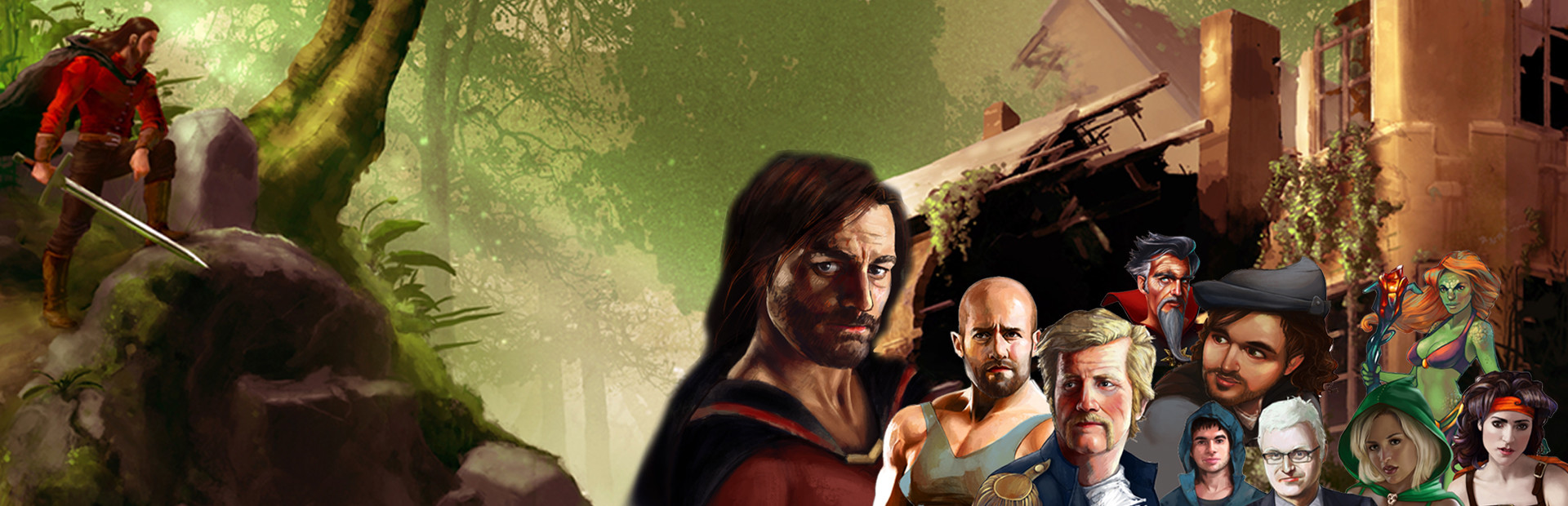
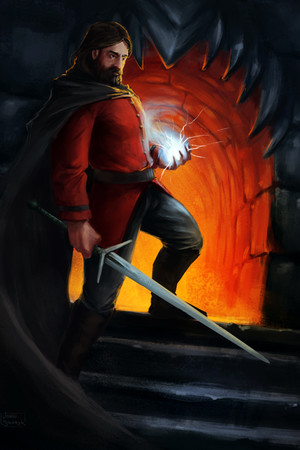
I have a soft spot for games that smell like a passion project from across the room, and Quest for Infamy radiates that energy from its opening scene. You step into the boots of William Roehm, a charming rogue who has just been caught in a nobleman's bedchamber and is very much not welcome anywhere near that family's jurisdiction. Stranded in the valley of Krasna while a broken bridge holds up his escape, Roehm gets tangled in something far larger than himself - cultists, a cursed artifact called the Eye of Jaagar, corrupt lawmen, a talking bear, and an entire town full of people he can flirt with, con, or simply irritate. The story is proudly over the top, and the script is where the developers clearly poured their real energy. The structure is built around three distinct paths: Brigand, Rogue, or Sorcerer. You do not pick one at character creation. You earn your class by actually interacting with the right people in Volksville - miss those conversations and you might not see every option. That design choice is very deliberately old-school, and it sets the tone for everything that follows. As a Brigand you pull caravan heists and brawl your way through problems. The Rogue burgles houses and slinks through shadows, building sneaking skill the more you actually sneak. The Sorcerer apprentices under a mentor named Prospero and goes scrounging for spell reagents, sometimes committing light arson along the way. Class-specific side quests diverge meaningfully, and stats improve through use in a way that borrows lightly from older Elder Scrolls logic - block more, get better at blocking. There is genuine replay value here if you can commit the time. The hand-drawn world spans over 200 rooms - forests, farmlands, a port city, swamp, graveyard, ruins - and exploring it has a quiet, lived-in texture that bigger productions rarely bother with. The soundtrack earned the game an AGS Award for Best Music and Sounds, and rightly so; it carries the atmosphere through screen transitions in a way that feels almost meditative. Full voice acting covers nearly every NPC, and while the quality varies (some recordings are noticeably rougher than others), the narrator is a genuine standout - dry, funny, deeply aware of what kind of game this is. Combat is where the goodwill takes a hit. The hidden active-time battle mechanic asks you to pick a move within a three-second window, and early fights rely heavily on luck and potions. It never feels satisfying, and multiple reviewers across the years have called it the weakest part of an otherwise solid package. The absence of a quest log and an in-game map also asks a lot of patience from players who did not grow up clicking through Sierra titles. The humor cuts both ways. Some of it lands with genuine wit and absurdist charm - a drinking game that initiates the Brigand path, a narrator who comments drily on your worst decisions, townsfolk who punch you out and charge you for the privilege. Some of it goes for the crudest possible joke and stays there a beat too long. The puerile streak is baked in and clearly intentional; whether it reads as endearing or irritating depends entirely on your tolerance for that brand of comedy. Critics were split more or less evenly on this, landing the game at a 63 on Metacritic while Steam players have been considerably warmer, sitting at 89% positive from a small but loyal sample. The community that loves it really loves it. The community that bounces off it bounces early and hard. What strikes me most is how much this game trusts the player to find things on their own. It is not a game that apologizes for its design or smooths over its rough edges for a modern audience. Infamous Quests built something that feels genuinely retrieved from a sealed vault, with all the friction and all the heart that implies. If you have affection for the Quest for Glory series specifically, this is a near-essential companion piece. If you are new to the genre and patient with obtuse logic, there is still something worth discovering in Roehm's reluctant roguery. If you want approachable mechanics and a polished experience, look elsewhere first.

Indie & narrative
Tags
System Requirements
Minimum
- OS
- Windows XP, Vista, 7 or 8
- Memory
- 128 MB RAM
- DirectX
- Version 5.2
- Storage
- 1800 MB available space
- Graphics
- Direct X Compatible Graphics Card
- Processor
- 900 Mhz
- Sound Card
- Direct X Compatible Sound Card
Recommended
- OS
- Windows 7 or 8
- Memory
- 256 MB RAM
- Storage
- 2 GB available space
- Graphics
- Direct X Compatible Graphics Card
- Processor
- 1.2 Ghz
- Sound Card
- Direct X Compatible Sound Card
Keep exploring
Community Discussion
Be the first to comment on Quest for Infamy.
Reviews & Ratings
Game Info
- Developer
- Infamous Quests
- Publisher
- Phoenix Online Publishing
- Release Date
- Jul 10, 2014