
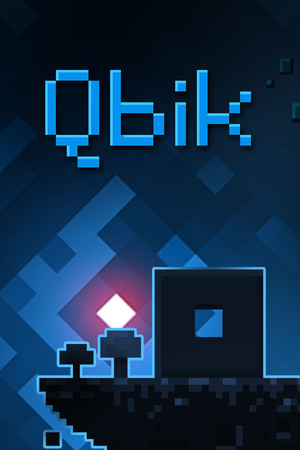
Qbik
A one-eyed pixel cube chewing through cave puzzles sounds slight, but Qbik earns its quiet place on your hard drive - plan carefully or the solution stays permanently above you.
GamerScout Verdict
Worth it for patient puzzle fans who like systems with teeth, but casual players should know the difficulty stops being gentle fast.
Compare Prices(5 stores)
Every store in this table quotes us in euros, so the EUR figure is the price the seller actually set, not our arithmetic — which is why EUR is also the currency we rank in. We only list an offer here when the store gives us its price in euros, so nothing in this table is a number we invented.
Pick USD, PLN, GBP, CAD or AUD in the header and we convert from EUR at the European Central Bank reference rate — converted amounts are prefixed with ~. Your bank or the store may apply a different rate at checkout. We never hide offers based on where you are: everyone sees this whole table.
We may earn a commission when you buy games through links on this page — at no extra cost to you. It never affects our rankings or verdicts.
Price History
Screenshots & Media
About Qbik
I have a soft spot for the kind of game that fits in a coat pocket, asks almost nothing of your hardware, and then quietly makes you feel slow for underestimating it. Qbik is exactly that. Solo developer Norbert Palacz built a puzzle game around a single, almost cruel constraint: your one-eyed blue square can only move horizontally or fall downward. Every yellow block you miss above you is gone forever from that attempt. That one rule, deceptively simple on paper, generates dozens of genuinely surprising situations across 63 levels spread across 7 chapters. The early chapters are gentle. New mechanics drip in steadily - gravity-affected blocks first, then pistons, moveable platforms, pressure gates, teleporters that let you cheat gravity in very specific circumstances. The pacing is patient in a way I respect. Community reviewers have noted that things can tip sharply mid-game, and they are not wrong: there is a noticeable difficulty spike after the first few chapters where the puzzle rooms grow larger and the margin for a misstep compresses significantly. The game hands you a rewind-time button and a hard limit of five total level skips, which forces you to actually sit with the hard puzzles rather than burn past them. That friction is either the point or a dealbreaker, depending on who you are. The pixel art reads as deliberately dim - caverns lit just enough to feel claustrophobic without losing clarity. The atmosphere is closer to eerie than cheerful, which the ambient sound design leans into. One reviewed criticism worth flagging: the sound effects during block-eating drew some complaints for clashing with the otherwise quiet mood, and a spider-and-web decoration element appears in levels without ever being explained, which briefly confused players expecting everything visible to be a mechanic. Neither issue ruins the experience, but both are real rough edges on a low-budget solo release. What rescues the package from feeling thin is the Steam Workshop level editor. It uses the full set of blocks and devices from the main game, and the community has added levels beyond the base 63. The editor itself is intuitive enough that reviewers who expected to need a tutorial found they did not. For a game at this price tier, the combination of a story mode with a mild creation pipeline is genuinely good value for puzzle fans who want to extend their time with the systems. Qbik is for players who treat puzzle games like crosswords - something to return to, set down, return to again. It is not built for someone who wants to feel clever in ten minutes and move on. The opening is slow, the personality is understated, and the difficulty eventually stops being polite. But the craft behind each level, the way one misplaced move rewrites everything, has a quiet handmade honesty that I find hard to dismiss.

Indie & narrative
Tags
System Requirements
Minimum
- OS
- Windows 7
- Memory
- 2 GB RAM
- DirectX
- Version 9.0c
- Storage
- 100 MB available space
- Graphics
- nVidia 320M or higher, or Radeon 7000 or higher, or Intel HD 3000 or higher
- Processor
- Dual core from Intel or AMD at 2.0 GHz
Keep exploring
Community Discussion
Be the first to comment on Qbik.
Reviews & Ratings
No ratings available
Game Info
- Developer
- Norbert Palacz
- Publisher
- Forever Entertainment S. A.
- Release Date
- Nov 17, 2017