Pumpkin Eater
Forty minutes of medically accurate body horror wrapped in watercolor and quiet dread. If you thought grief needed a glossary, thugzilladev agrees.
GamerScout Verdict
Worth every minute for horror VN fans who can stomach the subject matter - a rare jam game that knows exactly what it is.
Compare Prices(4 stores)
Every store in this table quotes us in euros, so the EUR figure is the price the seller actually set, not our arithmetic — which is why EUR is also the currency we rank in. We only list an offer here when the store gives us its price in euros, so nothing in this table is a number we invented.
Pick USD, PLN, GBP, CAD or AUD in the header and we convert from EUR at the European Central Bank reference rate — converted amounts are prefixed with ~. Your bank or the store may apply a different rate at checkout. We never hide offers based on where you are: everyone sees this whole table.
We may earn a commission when you buy games through links on this page — at no extra cost to you. It never affects our rankings or verdicts.
Price History
Screenshots & Media
About Pumpkin Eater
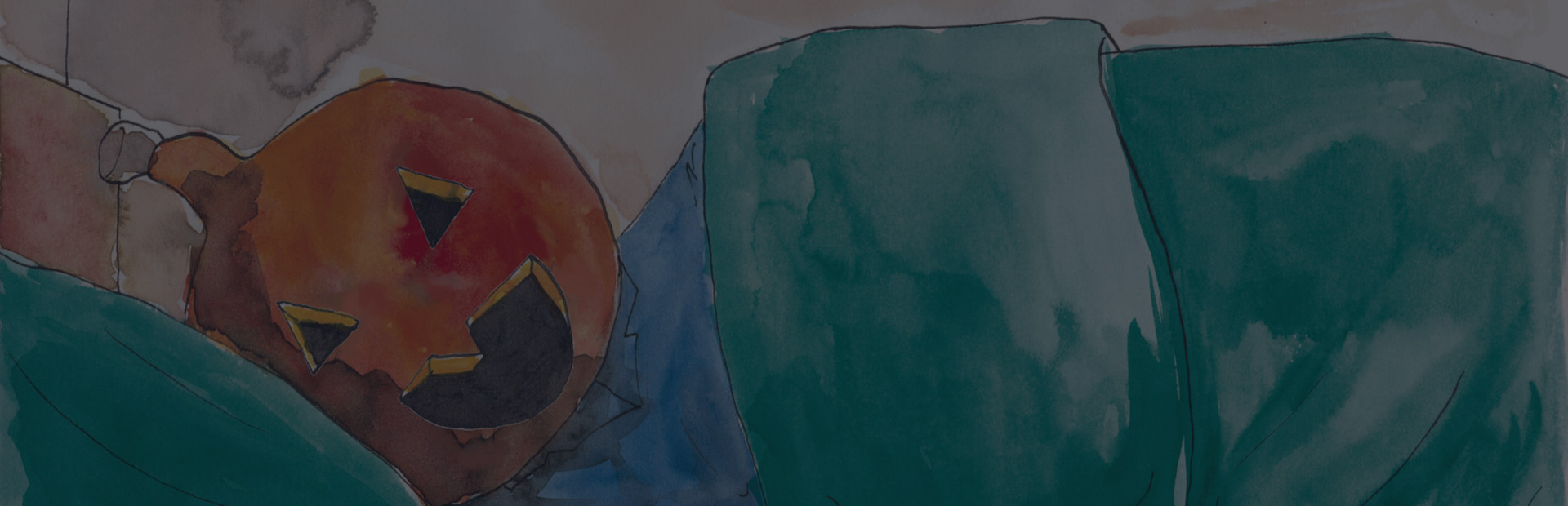
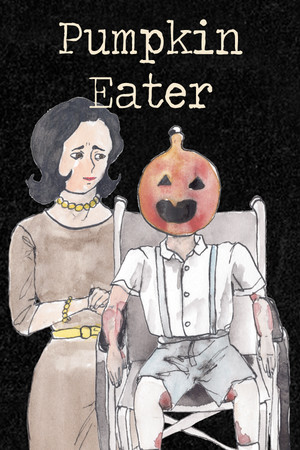
I do not hand out the word 'haunting' lightly, and yet here I am, still thinking about a dead boy with a jack-o-lantern for a head days after finishing a game that clocked under an hour. Pumpkin Eater is a kinetic visual novel, meaning there are no choices, no branching paths, and no way to soften what is coming. You click to advance, and the story does the rest. That structure is intentional and, once you accept it, becomes the point: you are a witness, not a participant, watching a family slowly unspool under the weight of one mother's catastrophic refusal to accept loss. The premise is stark. After an accident claims her son's life, a mother replaces his crushed head with a carved pumpkin and forces the household to maintain a fiction of normalcy. The story then progresses day by day, each passage delivering a new, clinically precise account of what decomposition actually looks like, sounds like, and smells like from the inside of a house where nobody is allowed to say the obvious thing. The developer researched this seriously. There is even an in-game glossary. That commitment to accuracy is what separates Pumpkin Eater from shock-value horror: the disgust is grounded, purposeful, and strangely educational in a way that makes it more unsettling, not less. The horror here does not escalate through surprise but through inevitability, each scene tightening the knot a little further. The art is handled by collaborator Awiola, and the visual choice matters enormously. Hand-drawn, watercolor-washed characters and backgrounds carry a storybook warmth that sits in direct tension with what the writing is describing. That contrast is not an accident. The children-illustration quality of the artwork makes the content more disturbing, not less, the same way a lullaby playing over something terrible tends to hit harder than a jump scare. The sound design earns similar credit: ominous and restrained, it leans into atmosphere rather than cheap shocks. It is the kind of soundscape I wish more micro-budget visual novels bothered with. The criticisms worth noting are real but narrow. Some players have found the characters underdeveloped given the short runtime, wanting more space to sit with the daughter Gloria and the father before the spiral accelerates. A small number of voices in the community felt the visual side held back, wishing the art depicted the decomposition as viscerally as the prose described it. Both complaints are fair. This was originally built as a jam submission in roughly a month, and the seams occasionally show. For players who need interactivity or multiple endings to feel engaged, a kinetic novel in general is not the format, and Pumpkin Eater will not convert skeptics on that front. The macOS compatibility situation is also worth flagging: the Steam version does not support macOS 10.15 Catalina or above, so Mac players should verify before purchasing. What the game does know, with remarkable clarity for something made so quickly, is when to end. At roughly 40 minutes, it never outstays its welcome. It arrives, does something to you, and leaves. That economy of storytelling is rarer than it sounds, and for a game built around the specific horror of being unable to let go, the irony of an ending that does let go is not lost on me.

Indie & narrative
Tags
System Requirements
Minimum
- OS
- Windows 7
- Memory
- 512 MB RAM
- Storage
- 160 MB available space
- Graphics
- DirectX or OpenGL compatible card
- Processor
- 1 Ghz
Keep exploring
Community Discussion
Be the first to comment on Pumpkin Eater.
Reviews & Ratings
No ratings available
Game Info
- Developer
- thugzilladev
- Publisher
- thugzilladev
- Release Date
- Nov 17, 2021