Project Remedium
Gorgeous idea, shaky execution: a first-person shooter set inside a diseased human body that earns its atmosphere completely but struggles to back it up with mechanics worth the trip.
GamerScout Verdict
Worth picking up at a steep discount for the atmosphere alone, but don't go in expecting polished FPS mechanics or a tight mission loop.
Compare Prices(8 stores)
Every store in this table quotes us in euros, so the EUR figure is the price the seller actually set, not our arithmetic — which is why EUR is also the currency we rank in. We only list an offer here when the store gives us its price in euros, so nothing in this table is a number we invented.
Pick USD, PLN, GBP, CAD or AUD in the header and we convert from EUR at the European Central Bank reference rate — converted amounts are prefixed with ~. Your bank or the store may apply a different rate at checkout. We never hide offers based on where you are: everyone sees this whole table.
We may earn a commission when you buy games through links on this page — at no extra cost to you. It never affects our rankings or verdicts.
Price History
Screenshots & Media
About Project Remedium
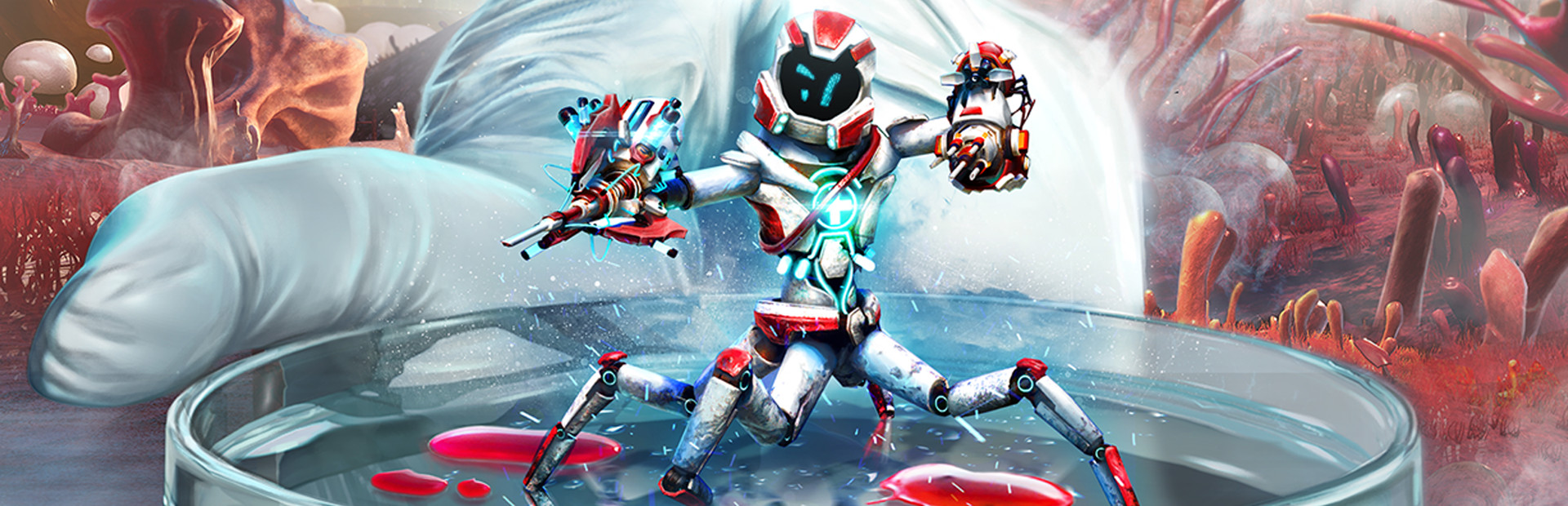
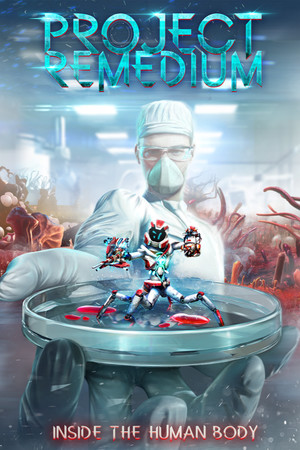
I keep a mental shelf for games that get the concept exactly right and fumble the controller handoff. Project Remedium sits squarely on that shelf, and I mean that with genuine affection. Atomic Jelly's debut drops you into the body of a critically ill young girl as Nano+, a reactivated medical nanobot guided by the veteran bot SuperVisette, and the sheer strangeness of the setting lands immediately. Veins become highways, organs become biomes, and the pathogens you fight read like fever-dream architecture. The first fifteen minutes are genuinely transporting. The two core weapons, the Energy Cannon in your left hand and the Remedium Sprayer in your right, reflect the dual role of destroyer and healer that makes the premise so clever. Each has multiple fire modes you can cycle on the fly, and shots that miss enemies actually damage the organ tissue you are trying to repair, which adds a light layer of tactical pressure to the otherwise standard wave-clearing. A skill tree lets you funnel points into damage, healing output, and crafting bonuses, though in practice the upgrades rarely produce the moment where you feel the power spike. The grapnel is the unambiguous highlight: hooking across organ walls and swinging between fleshy structures at speed is quick, responsive, and the best argument for replaying any section you just fumbled. The Revelation Waves storyline, where nanobots left too long inside the body have developed tribal religions and gang structures, adds a strange, funny, melancholy texture to the world that I did not expect and genuinely appreciated. Where the game loses ground is in mission design and combat rhythm. The quest loop collapses fast into a recognizable pattern: travel to a bot, clear a pathogen wave, collect three things, return to the bot. The enemy roster does not diversify quickly enough to keep combat fresh across six organ environments. Ammo on secondary weapons drains faster than it regenerates without consumables, and cover options are thin, creating a stop-start tension that never resolves into satisfying flow. The save checkpoint system at launch was unreliable enough that players reported losing progress, and while patches addressed many of the worst bugs, the game still carries the texture of something that needed another few months in the oven. Steam user reviews sit roughly split down the middle, which feels accurate: half the people who played it were charmed by what it was reaching for, half were frustrated by how far short it fell. Who is this for? Atmosphere-first players who can tolerate rough edges. If the idea of wandering a surreal, bioluminescent cardiovascular system while nanobots argue theology sounds like your kind of evening, the world-building will hold you even when the missions do not. FPS fans who need tight gunfeel, a rewarding skill tree, and zero jank should look elsewhere. At its current deep-discount price point in the sub-five-dollar tier, the gap between ambition and execution becomes much easier to forgive. Atomic Jelly moved on to other projects after launch, so do not expect further patches, but what is here is a singular, odd, occasionally beautiful thing that no other game has quite tried to be.

Indie & narrative
Tags
System Requirements
Minimum
- OS
- Windows 7 / 8 / 10
- Memory
- 4 GB RAM
- DirectX
- Version 11
- Storage
- 10 GB available space
- Graphics
- NVIDIA GeForce GTX 760 or AMD Radeon R9 270X with 2GB VRAM or more
- Processor
- Intel Core i5-4690 / AMD Ryzen 5 1500X
- Sound Card
- DirectX compatible
Recommended
- OS
- Windows 7 / 8 / 10
- Memory
- 8 GB RAM
- DirectX
- Version 11
- Storage
- 10 GB available space
- Graphics
- NVIDIA GeForce GTX 1060 or AMD Radeon RX 580 Series with 2GB VRAM or more
- Processor
- Intel Core i5-6600K / AMD Ryzen 7 1700X
- Sound Card
- DirectX compatible
Keep exploring
Community Discussion
Be the first to comment on Project Remedium.
Reviews & Ratings
No ratings available
Game Info
- Developer
- Atomic Jelly
- Publisher
- Atomic Jelly
- Release Date
- Aug 29, 2017