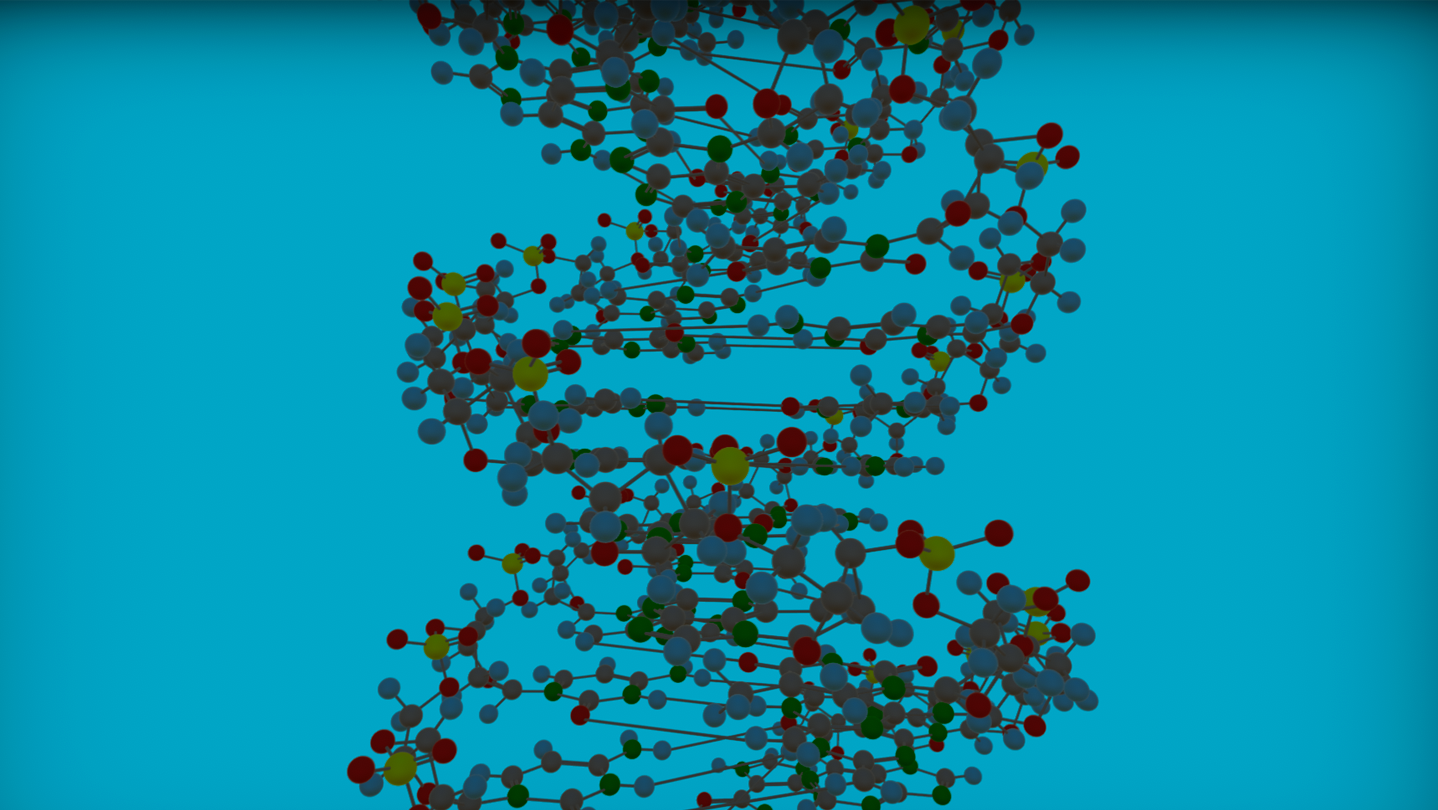
Project Chemistry
A chemistry sandbox that lets you poke at elements and molecules like a virtual lab bench. Niche, rough around the edges, but oddly satisfying if you love the periodic table.
GamerScout Verdict
A niche curiosity for chemistry hobbyists and students, not a polished sim - set expectations accordingly before buying.
Compare Prices(5 stores)
Every store in this table quotes us in euros, so the EUR figure is the price the seller actually set, not our arithmetic — which is why EUR is also the currency we rank in. We only list an offer here when the store gives us its price in euros, so nothing in this table is a number we invented.
Pick USD, PLN, GBP, CAD or AUD in the header and we convert from EUR at the European Central Bank reference rate — converted amounts are prefixed with ~. Your bank or the store may apply a different rate at checkout. We never hide offers based on where you are: everyone sees this whole table.
We may earn a commission when you buy games through links on this page — at no extra cost to you. It never affects our rankings or verdicts.
Price History
Screenshots & Media
About Project Chemistry
Project Chemistry is a PC simulation that puts the periodic table in your hands and asks you to do something useful with it. The core loop splits into two modes: a sandbox where you freely combine elements and watch reactions play out, and a quest mode that tasks you with synthesizing specific molecules. It is less a game in the traditional sense and more an interactive reference tool with some gamification bolted on. Think of it as a chemistry textbook that occasionally lets you blow things up, minus the safety goggles. The sandbox mode is where the genuine curiosity lives. You can drop elements onto a virtual workspace, trigger reactions, and observe outputs. For anyone who ever wondered what actually happens when you combine certain compounds, or who wants a low-stakes space to visualize molecular structures, this scratches an itch that almost no other software on Steam addresses. The macromolecule content is a genuine highlight - proteins, polymers, and larger organic structures are represented in a way that most chemistry sims skip entirely because of the complexity involved. That alone separates Project Chemistry from the handful of competitors in this tiny genre. The quest mode is the closer analogue to a structured game. You are given a target molecule and must figure out the synthesis pathway to produce it. For players with a chemistry background, this is a satisfying puzzle layer. For complete newcomers, the onboarding is thin. There is no tutorial system that walks you through reaction logic step by step, and the UI communicates less than it should. This is the single biggest friction point. A player who opens the app expecting guided discovery will bounce off it quickly. A player who already knows what a covalent bond is will find considerably more to engage with. From a simulation-depth standpoint, the accuracy of the reactions is reasonable for an indie title at this price range, but it is not a substitute for dedicated chemistry education software. Hardcore chemistry students hoping to use this as study support will hit limits. The AI driving reaction outcomes is functional but not dynamic - the system does not model thermodynamics or reaction kinetics in meaningful ways, which caps how deep the simulation rabbit hole actually goes. Mixed Steam reviews at around 77 percent positive from a small sample size suggest the audience is split between people who found their niche toy and people who expected something more polished. Who is this actually for? Curious hobbyists, middle or high school students supplementing classroom learning, and anyone who has a soft spot for chemistry and wanted something more interactive than a Wikipedia page. It is not a spreadsheet-depth simulator and it is not a teaching platform. Approach it as a sandbox curiosity tool, keep expectations calibrated to its indie scale, and the novelty holds up for a few genuine hours of exploration. Just do not expect the quest mode to hold your hand.

Strategy & simulation
Tags
System Requirements
Minimum
- OS
- Windows 7
- Processor
- X64 architecture with SSE2 instruction set support
- Memory
- 2 GB RAM
- Graphics
- NVIDIA GeForce 7300GT
- DirectX
- Version 10
- Storage
- 500 MB available space
Recommended
- OS
- Windows 10
- Processor
- X64 architecture with SSE2 instruction set support
- Memory
- 4 GB RAM
- Graphics
- NVIDIA GeForce GTX 560
- DirectX
- Version 10
- Storage
- 700 MB available space
Keep exploring
Community Discussion
Be the first to comment on Project Chemistry.
Reviews & Ratings
Game Info
- Developer
- Ata Türkoğlu
- Publisher
- Espale Studios
- Release Date
- Jun 22, 2021