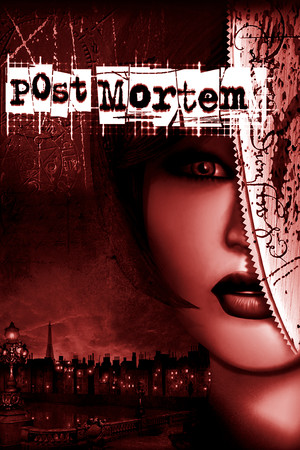
Post Mortem
A 1920s Paris noir detective game with genuine branching dialogue ambitions, undercut by clunky conversation mechanics and soft-lock pitfalls that punish curiosity instead of rewarding it.
GamerScout Verdict
Best for patient fans of early-2000s adventure games who can overlook clunky dialogue systems in exchange for genuine noir atmosphere and branching outcomes.
Compare Prices(8 stores)
Every store in this table quotes us in euros, so the EUR figure is the price the seller actually set, not our arithmetic — which is why EUR is also the currency we rank in. We only list an offer here when the store gives us its price in euros, so nothing in this table is a number we invented.
Pick USD, PLN, GBP, CAD or AUD in the header and we convert from EUR at the European Central Bank reference rate — converted amounts are prefixed with ~. Your bank or the store may apply a different rate at checkout. We never hide offers based on where you are: everyone sees this whole table.
We may earn a commission when you buy games through links on this page — at no extra cost to you. It never affects our rankings or verdicts.
Price History
Screenshots & Media
About Post Mortem
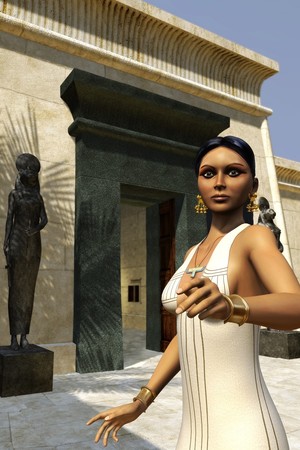
My first honest reaction to Post Mortem was surprise at how much it was trying to do. This is a first-person point-and-click mystery set in 1920s Paris, built around a clairvoyant ex-detective named Gus MacPherson who gets dragged back into the dirty business by a mysterious woman, a decapitated couple, and a conspiracy that spirals from film-noir murder-mystery all the way into Templar occultism. That is a lot of story for one relatively short adventure game, and Microids deserves real credit for the ambition. The atmosphere is genuinely thick: jazz-soaked bistros, gas-lit streets on a Paris map that expands as leads multiply, and cutscenes that shift to third-person with surprising visual flair for its era. The core mechanic that actually sets Post Mortem apart from contemporaries is its identity system. You can present yourself to witnesses and suspects as a private investigator, a journalist, or an insurance agent, and characters respond differently to each cover story. A desk clerk who throws a PI out will gladly help an insurance man sniffing around for a payout. Different approaches unlock different lead sequences and change which locations appear on your Paris map. In theory, this makes replaying the game worthwhile, with three substantially different endings waiting at the finish. In practice, the branching conversation tree is where the whole thing starts to wobble. The dialogue interface only shows one option at a time, requiring you to tab through choices that appear and vanish with shaky logic. Say the wrong thing to the wrong person early on and you can quietly lock yourself out of clues you never knew existed, or in worse cases, hit a hard dead-end that does not announce itself as one. Players coming to this fresh should save compulsively before every conversation. That is not great design for a game where dialogue IS the gameplay, accounting for the large majority of play time. Inventory puzzles exist but feel light, and the few standout puzzles, including a fresco-based clue hunt late in the game, occasionally tip from clever into pixel-hunt frustration. The English translation is rough in places, with stilted phrasing that the otherwise competent voice cast tries to smooth over. The runtime is also on the shorter side, somewhere in the three-to-five hour range depending on how stuck you get. What does work, consistently, is atmosphere and story arc. The bohemian Parisian underworld Gus moves through, full of corrupt police, fences posing as art patrons, and genuinely shady occult threads, gives the game a mood that holds up. Gus's notebook doubles as an inventory and document organiser, which is a neat mechanical touch. The Templar-and-alchemy third act arrives before the more grounded noir setup has fully paid off, but if you are already the kind of player who loves whodunit fiction and does not mind a rough edge or two, the story earns its finish. It is worth noting this game is the first entry in a loose series that includes the Still Life games, which are generally better regarded, so Post Mortem also works as franchise context rather than the strongest entry point. This one is genuinely tricky to call. The good bones are all there: a real noir setting, a clever identity mechanic with branching outcomes, multiple endings, and an occult plot that takes actual swings. The execution lets it down, not catastrophically, but enough that patience is a prerequisite. If you have played the Still Life games and want the origins, or if classic early-2000s Microids adventures are your comfort genre, Post Mortem rewards the forgiving. Everyone else should go in with a walkthrough on standby and save slots filled.

Catch-all
Tags
System Requirements
Minimum
- Sound
- Sound card with DirectX 9.0c support
- Video
- Video Card with 64MB dedicated memory
- Memory
- 512 GB
- DirectX®
- 9.0c
- Processor
- 1.0 GHz CPU
- Hard disk space
- 1GB
- Operating system
- Windows® XP / Vista™ / Windows® 7
Keep exploring
Community Discussion
Be the first to comment on Post Mortem.
Reviews & Ratings
Game Info
- Developer
- MC2
- Publisher
- Microids
- Release Date
- Aug 26, 2011