Plazma Being
A handcrafted 4-5 hour puzzle-platformer built by one developer that punches well above its weight, smart level design, sci-fi charm, and a protagonist who says nothing but somehow wins you over.
GamerScout Verdict
Best for puzzle-platformer fans who value a tight, clever 4-5 hour experience over breadth or replayability.
Compare Prices(6 stores)
Every store in this table quotes us in euros, so the EUR figure is the price the seller actually set, not our arithmetic — which is why EUR is also the currency we rank in. We only list an offer here when the store gives us its price in euros, so nothing in this table is a number we invented.
Pick USD, PLN, GBP, CAD or AUD in the header and we convert from EUR at the European Central Bank reference rate — converted amounts are prefixed with ~. Your bank or the store may apply a different rate at checkout. We never hide offers based on where you are: everyone sees this whole table.
We may earn a commission when you buy games through links on this page — at no extra cost to you. It never affects our rankings or verdicts.
Price History
Screenshots & Media
About Plazma Being
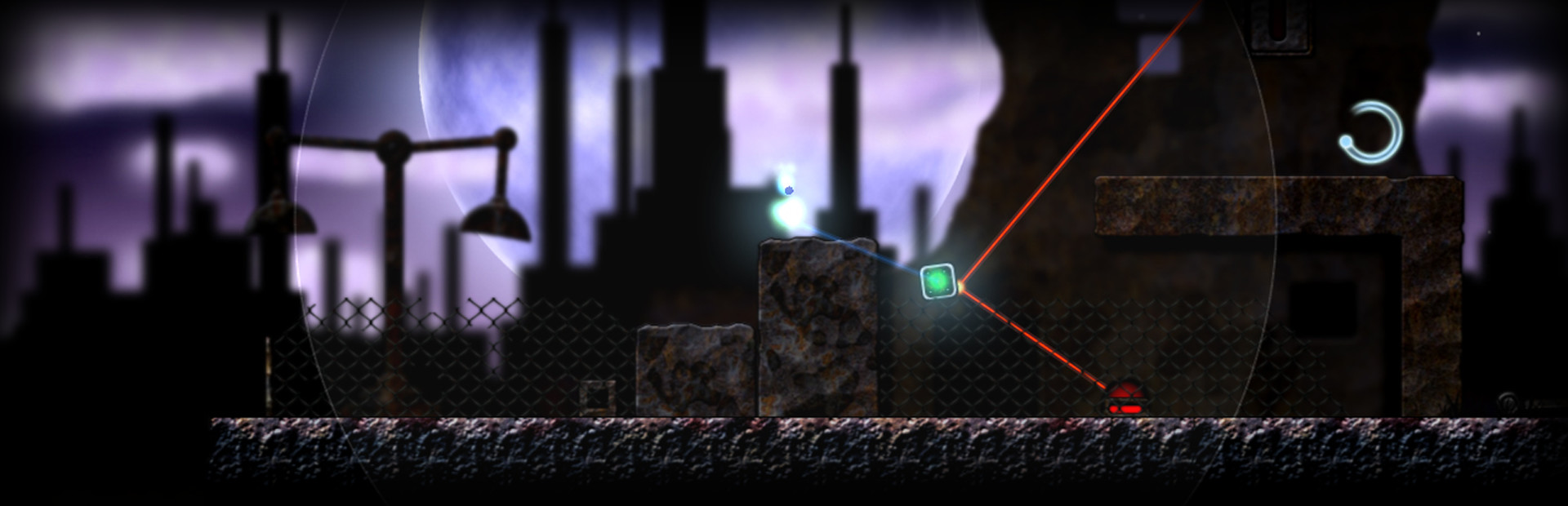
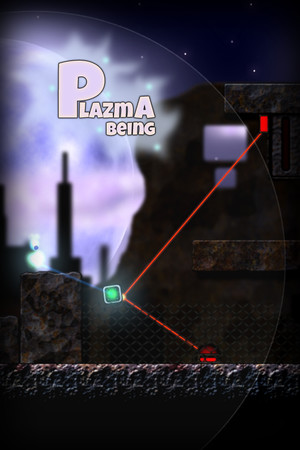
I have a soft spot for the one-developer release that nobody puts on a "best of" list but quietly sits at a mostly positive rating years after launch. Plazma Being is exactly that kind of game, and I think it deserves a few more eyes on it. You play as Zeb, a small energy-based life form who gets kidnapped mid-commute through space, crash-lands in alien captivity, and then uses a convenient earthquake to make his escape across an unfamiliar planet. The setup is paper-thin, but the game never pretends otherwise. Zeb doesn't speak. There are no cutscenes, no voiced exposition. The story is entirely the feeling of being small and lost in a strange world, which turns out to be enough. The structure is modest and honest: ten levels spread across three distinct environments, each built around Zeb's energy-based abilities. The puzzle design is where the game earns its reputation. Rock, Paper, Shotgun noted it gets "almost immediately very tricky," and that tracks. The challenge isn't artificial difficulty or precision-twitch nonsense, it's the kind of obstacle-reading that makes you pause, scan the room, and feel genuinely satisfied when the solution clicks. Creatures and robots populate the environments, adding light action pressure without turning the whole thing into a reflex test. The pacing is measured. If you treat it like a sprint, it will frustrate you. If you treat it like a short afternoon with a strange little alien, it delivers exactly what it promises. The runtime is the conversation point. Community feedback and the developer's own estimates put completion somewhere in the 4-5 hour range, and there is no new-game-plus, no randomisation, and no branching paths. What replay hook exists comes from an optional energy collection mode you can toggle at the start of a new run. That is the full extent of the extra content. For some players, a game that knows its length and respects it is a feature. For players who need replayability built into the bones of a title, this will feel too slight. Neither position is wrong; just know which type you are before committing. Built on the LOVE2D engine by what appears to be a solo developer, the game carries that handmade quality in its 2D visual style and its sci-fi atmosphere. The three environments shift the palette and introduce new environmental logic, which keeps the back half from feeling like a retread of the first. There is something almost meditative about moving Zeb through these alien landscapes, and the atmospheric tone that players and critics both point to is real. It earns it without announcing it. The keyboard-and-mouse controls are fully rebindable, though controller support is not present, which is a genuine gap for a game that would feel at home on a gamepad. Plazma Being is a first project that happens to be smarter than most first projects. It does not overstay its welcome. It does not pretend to be something larger than it is. If your tolerance for short, focused indie platformers with real puzzle craft is high, this is an easy recommendation. If you need a game to fill fifty hours, look elsewhere.

Indie & narrative
Tags
System Requirements
Minimum
- OS
- Windows Vista/7/8
- Memory
- 2 GB RAM
- Storage
- 100 MB available space
- Graphics
- openGL graphics support/version 1.3 or better
- Processor
- 1.8GHZ dual-core
Keep exploring
Community Discussion
Be the first to comment on Plazma Being.
Reviews & Ratings
No ratings available
Game Info
- Developer
- Hedge Knight Games
- Publisher
- Hedge Knight Games
- Release Date
- Feb 9, 2015