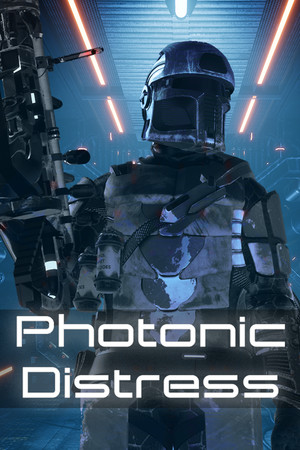
Photonic Distress
Shoot light into the dark just to see what's hunting you. Photonic Distress is a low-profile gem that earns its atmosphere one photon at a time, and it rewards curiosity over reflex.
GamerScout Verdict
Best for players who want a quiet, atmospheric indie that turns a single mechanic, light in darkness, into a complete design philosophy.
Compare Prices(3 stores)
Every store in this table quotes us in euros, so the EUR figure is the price the seller actually set, not our arithmetic — which is why EUR is also the currency we rank in. We only list an offer here when the store gives us its price in euros, so nothing in this table is a number we invented.
Pick USD, PLN, GBP, CAD or AUD in the header and we convert from EUR at the European Central Bank reference rate — converted amounts are prefixed with ~. Your bank or the store may apply a different rate at checkout. We never hide offers based on where you are: everyone sees this whole table.
We may earn a commission when you buy games through links on this page — at no extra cost to you. It never affects our rankings or verdicts.
Price History
Screenshots & Media
About Photonic Distress
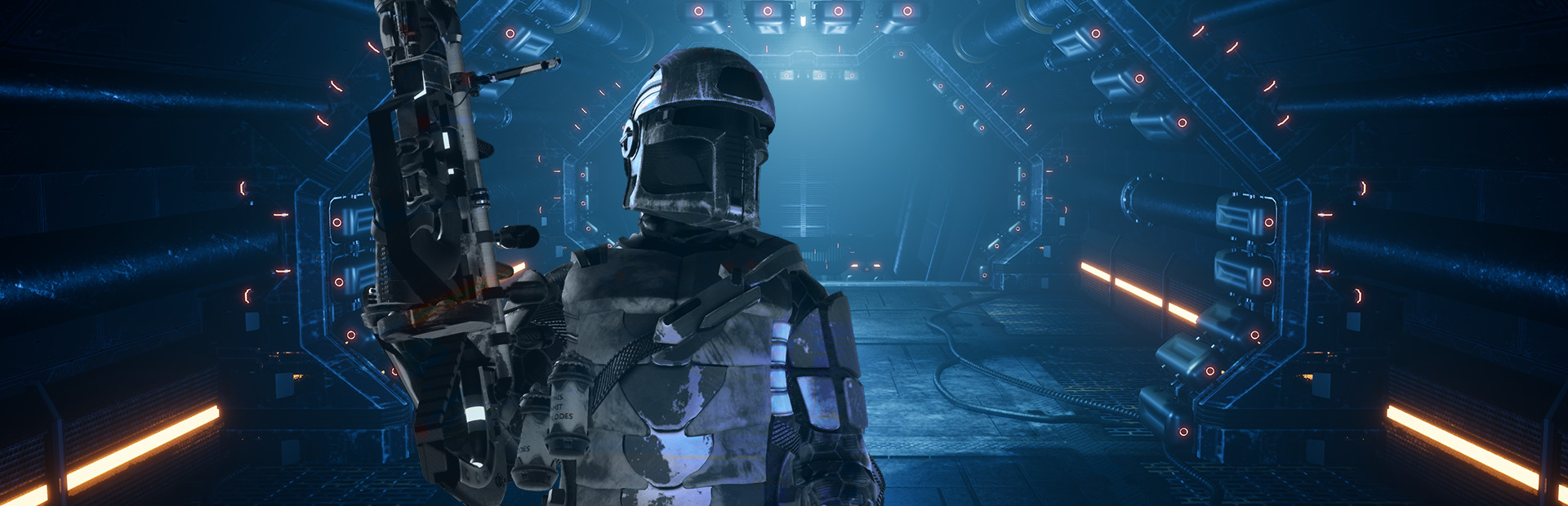
I keep a soft spot for games that arrive quietly on Steam, rack up fewer than forty reviews, and still manage to do something genuinely strange with their central idea. Photonic Distress is that kind of game. You are in a coma, or a dream, or both at once, and the only way out is to hunt down 100 memory fragments across procedurally generated levels that grow larger and meaner with every dream you clear. That premise could have been a checkbox, but GRIP420 builds the whole mechanic vocabulary around it in a way that actually holds together. The core tool is a Photon Gun that starts as little more than a colorful light-ball launcher. On Easy and Medium, the levels are illuminated and the experience sits closer to a relaxed platformer-shooter hybrid where you slide through corridors, dodge barricades, and collect fragments at whatever pace feels right. Flip to Hard or Impossible, however, and the lights go out entirely. Now the gun is survival equipment. Fired photon balls arc through the darkness and briefly illuminate whatever is waiting around the corner. At 30 fragments collected you unlock the Scan Grenade, which pulses a brief outline of the entire surrounding geometry and lights up enemies both visible and hidden. That moment, the first time you fire one into a corridor you thought was empty and watch a dozen outlines materialize, is genuinely unsettling in the best way. The flashlight attachment fills the gap between those two extremes, and together these tools make the progression feel like unlocking a small vocabulary of light rather than a list of power-ups. Replayability is handled through a seed-based level generator. You pick or randomize a seed at the start of a run, and that seed governs layout, fragment distribution, trap placement, and enemy density for the entire playthrough. You can run the same seed on multiple difficulties or burn through different seeds on the same one. The tile difficulty system underneath this scales from 1 to 10, and on Impossible the game escalates tile complexity every two levels rather than every ten as on Easy. The community did flag some rough edges at launch: mouse invert settings that would not stick between sessions, a fragment counter oddity in the tutorial, and limited resolution options that sat uncomfortably on 4K displays. These are the honest fingerprints of a very small first release. The soundtrack is original, composed specifically for the game by an artist called Toteki, and it is the reason I would recommend playing at least the first hour with headphones. There is a tension in the music that suits the dark-corridor pacing well, something that sits between ambient unease and low-key pulse. It does not overplay its hand. The developer openly acknowledges you can swap it out for your own playlist, and that transparency feels characteristic of how the whole game presents itself: no pretense, just honest craft. Photonic Distress is not going to satisfy anyone looking for deep combat systems or branching narrative. What it offers is a focused, mood-forward experience built around one unusual mechanic and stretched across a difficulty range wide enough to serve both a curious evening of casual play and a genuinely punishing run for players who want to feel the dark press in. For a first game from a tiny team, the intentionality here is clear and the atmosphere earns its keep.

Indie & narrative
Tags
System Requirements
Minimum
- OS
- Windows 7 or Newer
- Memory
- 16 GB RAM
- DirectX
- Version 9.0c
- Storage
- 10 GB available space
- Graphics
- NVIDIA GTX 1060 or better, AMD RX 580 or better
- Processor
- 3.0 GHz Quad Core
Recommended
- OS
- Windows 7 or Newer
- Memory
- 32 GB RAM
- DirectX
- Version 11
- Storage
- 10 GB available space
- Graphics
- NVIDIA RTX 2060 or better, AMD RX 5600XT or better
- Processor
- 4+ GHz Hexa Core
Keep exploring
Community Discussion
Be the first to comment on Photonic Distress.
Reviews & Ratings
No ratings available
Game Info
- Developer
- GRIP420
- Publisher
- GRIP420
- Release Date
- Aug 3, 2018