Paradise Lost
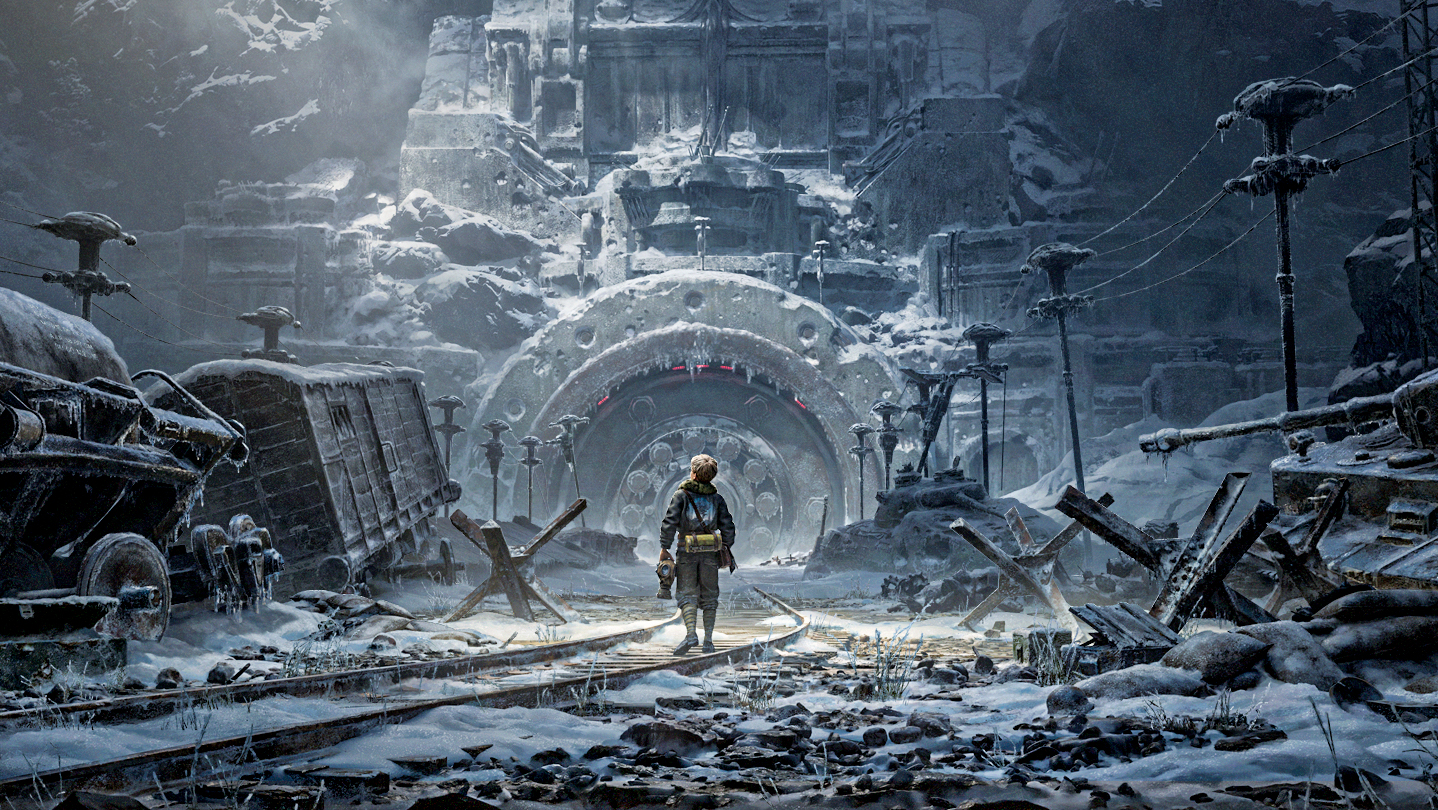
A quiet, atmospheric walking sim set in a retro-futuristic Nazi bunker blending Slavic mythology with post-apocalyptic 1980s Poland. Short, slow, and oddly beautiful.
GamerScout Verdict
Worth it for patient narrative fans who love atmosphere over mechanics - everyone else will bounce off the slow pace fast.
Compare Prices(9 stores)
Every store in this table quotes us in euros, so the EUR figure is the price the seller actually set, not our arithmetic — which is why EUR is also the currency we rank in. We only list an offer here when the store gives us its price in euros, so nothing in this table is a number we invented.
Pick USD, PLN, GBP, CAD or AUD in the header and we convert from EUR at the European Central Bank reference rate — converted amounts are prefixed with ~. Your bank or the store may apply a different rate at checkout. We never hide offers based on where you are: everyone sees this whole table.
We may earn a commission when you buy games through links on this page — at no extra cost to you. It never affects our rankings or verdicts.
Price History
Screenshots & Media
About Paradise Lost
Paradise Lost is a first-person narrative exploration game - a walking sim if you want to be direct about it - set in an alternate 1980 where nuclear war has turned Poland into a frozen wasteland. You play as Szymon, a young boy who stumbles into a massive abandoned Nazi bunker and starts piecing together what happened to the people who once lived inside it. The whole thing runs about two to three hours depending on how carefully you read every note and document scattered across the beautifully crumbling corridors. What PolyAmorous gets right, and gets right convincingly, is atmosphere. The bunker feels genuinely inhabited and genuinely dead at the same time. Retrofuturistic technology sits alongside Slavic folk symbols, cracked Orthodox iconography hangs near blinking control panels, and the environmental storytelling is patient enough to reward players who slow down and actually look. The sound design carries a lot of weight here - low industrial hum, distant echoes, and a score that leans into something almost liturgical. For a small studio, the sense of place is remarkable. The story leans on a handful of characters you meet only through journals, audio logs, and pre-recorded holograms. Some of these vignettes land hard. A particular thread involving a woman named Ewa and her relationship to Szymon's search is quietly devastating if you follow it closely. The Slavic mythology angle is more texture than substance - it flavors the world rather than driving the plot - but it gives Paradise Lost an identity that separates it from the generic post-apocalypse crowd. This is unmistakably Central European in its mood, and that specificity is one of its genuine strengths. The criticisms are fair and worth naming. The pacing in the first thirty minutes is slow even by walking sim standards - Szymon moves at a trudge and the opening stretch gives you very little to hold onto. Player agency is essentially zero; there are no meaningful choices, no inventory, no puzzles beyond walking to the next highlighted object. For some players that is a dealbreaker, and the mixed Steam reviews reflect exactly that frustration. If you need mechanical engagement to stay present, Paradise Lost will test your patience hard. The ending also divides people. It reaches for something mythic and, depending on your tolerance for ambiguity, either earns its final image or simply drifts away without resolution. Where I land: this is a game made for people who treat short narrative games as they would short fiction. It has a specific emotional register - grief, memory, the weight children carry when looking for absent parents - and it commits to that register without flinching or adding action sequences to break up the silence. It knows what it is. A six-hour game that ends cleanly is worth more than a twelve-hour game that outstays its welcome, and Paradise Lost, for all its deliberate quietness, does know when to stop. If you are the kind of player who still thinks about games like Everybody's Gone to the Rapture or What Remains of Edith Finch weeks after finishing them, this belongs on your list.

Indie & narrative
Tags
System Requirements
Minimum
- Processor
- i5
- Memory
- 4 GB RAM
- Graphics
- GeForce GTX 960
- Storage
- 30 GB available space
Recommended
- OS
- Windows 10
- Processor
- i7
- Memory
- 8 GB RAM
- Graphics
- Geforce GTX 1060
- Storage
- 30 GB available space
Keep exploring
Community Discussion
Be the first to comment on Paradise Lost.
Reviews & Ratings
Game Info
- Developer
- PolyAmorous
- Publisher
- All in! Games
- Release Date
- Mar 24, 2021