Operencia: The Stolen Sun
Hungarian folklore rarely makes it into dungeon crawlers, and that alone makes Operencia worth a second look - but there is a genuinely warm, handcrafted game hiding underneath the genre conventions.
GamerScout Verdict
Built for dungeon-crawler fans who want a folklore-rich setting and ensemble warmth over mechanical innovation - push past the opening hour.
Compare Prices(6 stores)
Every store in this table quotes us in euros, so the EUR figure is the price the seller actually set, not our arithmetic — which is why EUR is also the currency we rank in. We only list an offer here when the store gives us its price in euros, so nothing in this table is a number we invented.
Pick USD, PLN, GBP, CAD or AUD in the header and we convert from EUR at the European Central Bank reference rate — converted amounts are prefixed with ~. Your bank or the store may apply a different rate at checkout. We never hide offers based on where you are: everyone sees this whole table.
We may earn a commission when you buy games through links on this page — at no extra cost to you. It never affects our rankings or verdicts.
Price History
Screenshots & Media
About Operencia: The Stolen Sun
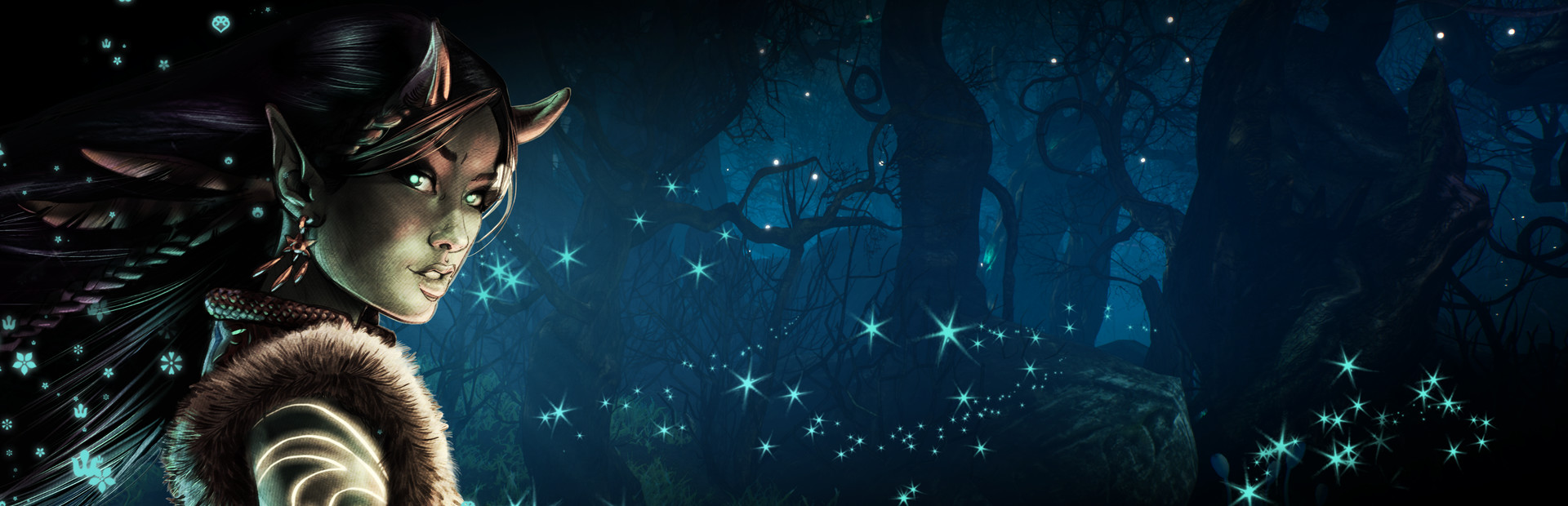
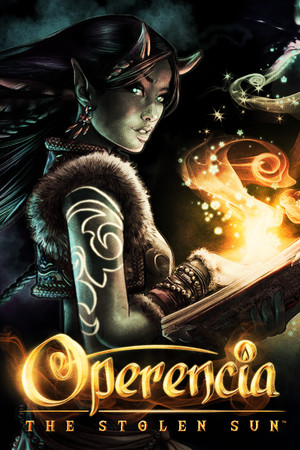
My first few hours with Operencia felt like opening a letter from a genre I thought had stopped writing. The grid-based first-person crawl is not exactly a crowded space on PC, and Zen Studios - a developer whose reputation was built almost entirely on pinball - had no obvious business making something this considered. Yet here it is: thirteen dungeons built on Hungarian folklore, complete with táltos shamans, cursed frog soldiers, and a celestial being who joins your party somewhere around the midpoint. The premise alone carries a mood you will not find in the usual fantasy catalogue. The structure is roughly sixty percent exploration and forty percent turn-based combat, and that balance mostly holds. You create a protagonist from three classes - Warrior, Hunter, or Mage - and then move through dungeons on a grid that, when you disable its visual overlay, quietly pretends to be a free-roaming first-person adventure. The trick works. Camera rotation is fluid, environmental detail is genuinely impressive considering the scope, and the orchestral score shifts tone between dungeon types in ways that reward headphone listening. Campfire stops serve double duty: they restore HP and skill points (you spend firewood, not gold, so resource awareness matters), and they are where the ensemble cast does most of its talking. The companions - including Jóska the poison-focused thief, a last remaining knight with a taunt-and-thorns combo, and a magic stonemason who summons a protective construct - each carry their own branching skill trees and chatter at each other constantly in a way that earns genuine warmth rather than just noise. All party members accumulate experience whether they fight or sit on the bench, which is a small but important quality-of-life grace note. The alchemy system deserves a mention on its own. Instead of a flat recipe list, it gives you logic puzzles - deduce the correct ingredient from a set of clues about what it cannot be, then combine. If you have any fondness for the Jindosh Lock variety of puzzle, you will slow down for these. The dungeon puzzles elsewhere are more variable: some are clever mechanical sequences, others drift into pixel-hunting for interaction points, and the later Copper Forest section specifically has been cited widely as the point where encounter design starts to drag. Spawning enemies that can resurrect multiple times, combined with resistances that punish energy-spending, turn fights from tactical exercises into endurance tests. The pacing dip is real and the game does not fully recover from it. Where Operencia earns its Metacritic 76 rather than falling short of it is in the accumulated texture of the world. Dungeons range from a dripping sunken castle to the trunk of the world tree to the Underworld itself - each with its own exploration item, like boots that slow time to bypass traps or a feather that levitates heavy objects. The items are underused, which is a genuine missed opportunity, but the variety of backdrops keeps the campaign feeling like it is moving. Completing everything, including optional secrets and false-wall rooms that require backtracking with later key items, sits around twenty-five hours. That is a tidy length for this genre. The protagonist is the weakest written character in the cast - their arc stays vague even by the ending - but the surrounding ensemble compensates enough that you stop noticing. This is a game for people who already know they like first-person dungeon crawlers, or who have been curious about the format without knowing where to start. It does not reinvent the genre and does not seem to want to. What it does is bring a setting most Western RPGs have never touched, pair it with a sincere orchestral soundscape, and deliver a campaign that knows roughly when to end. Push through the opening hour, which is the roughest stretch, and you will find something that holds together with quiet craft.

Indie & narrative
Tags
System Requirements
Minimum
- OS
- Windows 7/8.1/10 (64bit)
- Memory
- 8 GB RAM
- DirectX
- Version 11
- Storage
- 15 GB available space
- Graphics
- NVIDIA GeForce GTX 760 (2048MB) or Radeon HD 7970 (3072MB)
- Processor
- Intel Core i5-2500K or AMD equivalent
- Sound Card
- DirectX compatible sound card / integrated
- VR Support
- SteamVR
Recommended
- OS
- Windows 7/8.1/10 (64bit)
- Memory
- 16 GB RAM
- DirectX
- Version 11
- Storage
- 15 GB available space
- Graphics
- NVIDIA GTX 1060 / AMD Radeon RX 570
- Processor
- Intel Core i7-3770/AMD FX-8350 or better
- Sound Card
- DirectX compatible sound card / integrated
Keep exploring
Community Discussion
Be the first to comment on Operencia: The Stolen Sun.
Reviews & Ratings
Game Info
- Developer
- Zen Studios
- Publisher
- Zen Studios
- Release Date
- Mar 31, 2020