Onirike
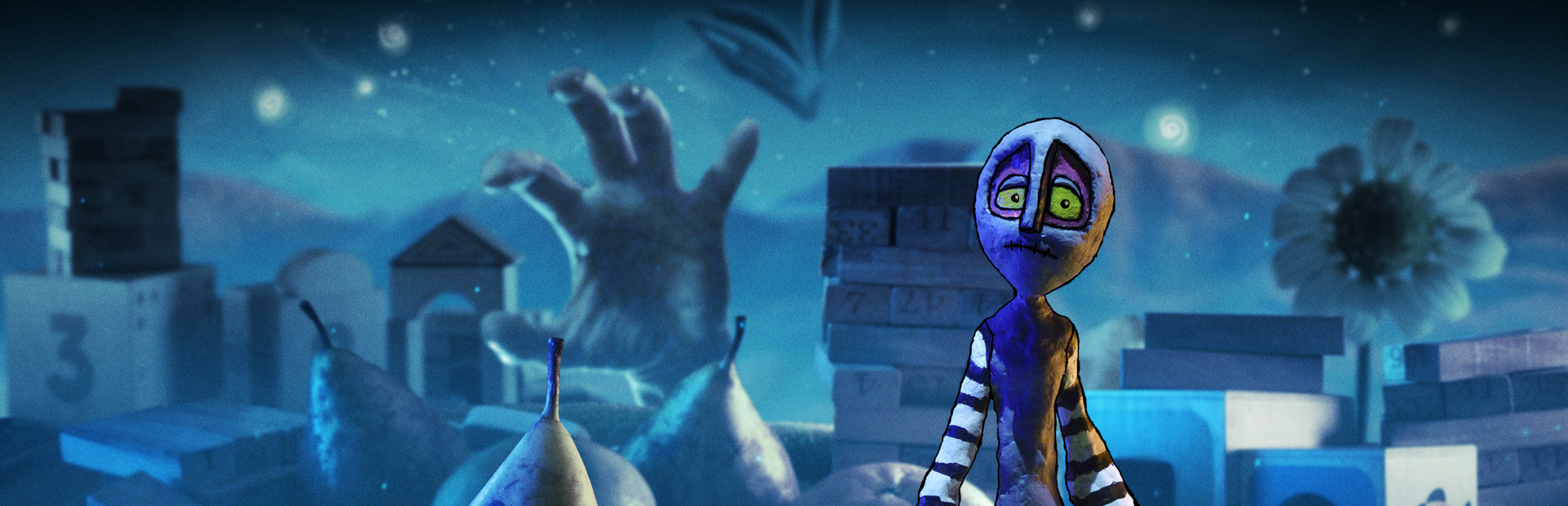
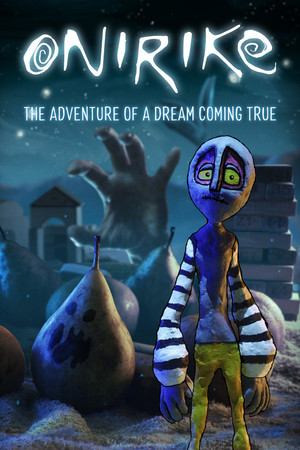
A surrealist fever-dream platformer from DevilishGames that looks like Tim Burton directed an N64 game, gorgeous, odd, and just rough enough around the edges to sort the patient from the impatient.
GamerScout Verdict
Best for mood-driven platformer fans who can forgive clumsy controls in exchange for a genuinely strange, handcrafted world.
Compare Prices(7 stores)
Every store in this table quotes us in euros, so the EUR figure is the price the seller actually set, not our arithmetic — which is why EUR is also the currency we rank in. We only list an offer here when the store gives us its price in euros, so nothing in this table is a number we invented.
Pick USD, PLN, GBP, CAD or AUD in the header and we convert from EUR at the European Central Bank reference rate — converted amounts are prefixed with ~. Your bank or the store may apply a different rate at checkout. We never hide offers based on where you are: everyone sees this whole table.
We may earn a commission when you buy games through links on this page — at no extra cost to you. It never affects our rankings or verdicts.
Price History
Screenshots & Media
About Onirike
My first hour with Onirike felt like someone had handed me a bedtime story written in a language I almost understood. You play as Prieto, a personified dream that never came true, waking each cycle inside a strange hollow world called the Orb with no memory of the night before. A full voice narrator reads the story over your shoulder, fairytale-cadence and all, which either pulls you completely in or grates depending on your tolerance for constant narration. I landed firmly in the pulled-in camp. The premise is quietly beautiful: a forgotten dream trying to matter before the eye at the top of the screen closes for good. The central survival mechanic is the most original thing here. Prieto slowly turns invisible over time, tracked by that slowly shutting eye in the HUD corner. Once fully invisible, a fading ground-shimmer is all that marks your position, and if the eye disappears entirely, your progress resets to the last save stone and every collectible from that cycle is wiped. The solution is gypsophila flowers, Baby's Breath, which you cultivate from spores gathered during brief, floaty daytime segments. Planting those spores around the world creates personal checkpoints that restore your visibility. It is an unusual, story-native interpretation of save points that actually earns its weirdness. The problem is that the invisibility mechanic and platforming do not coexist gracefully: trying to judge a jump when you are represented by a faint shimmer on the ground is legitimately frustrating, and the camera, while fully controllable, is clumsy enough that you will fight it regularly until muscle memory kicks in. The Orb itself is split into distinct zones, each with its own absurdist logic: a Putrid Zone layered in rotting food and switch mazes, a Sea of Doubt you drain by re-aligning pipes, a claustrophobic minotaur maze, a miniature cardboard village, and a volcano laced with hazards. Quests are non-linear and come from the Orb's residents, a collection of creatures so singularly strange they feel pulled from a children's book that wandered into the wrong genre section. The puzzles themselves are light, pressure plates, switches, rolling meatball-boulders onto buttons, and will not challenge anyone looking for Braid-level problem-solving. The difficulty arrives from the environment: soul-devouring enemies that one-hit you, deadly terrain, and the constant tick of that closing eye. There is no combat; stealth and positioning are your only tools. Where Onirike genuinely earns its place is the audiovisual handcraft. The art direction is consistently striking, earthy, oppressive backgrounds punctuated by characters colourful enough to feel like they walked in from a dream sequence in an animated film. The sound design matches it: eerie ambient layers, creature shrieks that fill the silence with unease, and a score that sits somewhere between a lullaby and a minor-key requiem. For a small Spanish studio, the aesthetic conviction is remarkable. The weaker spots are practical: the mini-map is too small to zoom into and nearly useless for navigation, there is no fast travel in a world that asks a lot of running, and reported input lag on some platforms can make the already imprecise platforming feel worse. A single escort mission late in the game grinds momentum to a near-halt. At roughly six hours for a full run, none of these irritants have time to become dealbreakers, but they are real. Onirike is the kind of game that lands differently depending on what you bring to it. Come in wanting a tight, responsive platformer with substantial puzzles and it will disappoint you. Come in wanting to spend an afternoon inside something genuinely strange, beautifully designed, and quietly melancholic, a game that knows exactly what mood it is making, and it delivers that with care.

Indie & narrative
Tags
System Requirements
Minimum
- OS
- Windows 10
- Memory
- 8 GB RAM
- Storage
- 4 GB available space
- Graphics
- 2GB
- Processor
- Intel Core i5
Keep exploring
Community Discussion
Be the first to comment on Onirike.
Reviews & Ratings
No ratings available
Game Info
- Developer
- DevilishGames
- Publisher
- DevilishGames
- Release Date
- Jun 29, 2021