Oneiros
A two-to-three hour fever-dream built by one person, Oneiros earns its surrealism honestly - shifting art styles, gravity-flipping platforms, and a licensed indie-rock soundtrack that most small studios would never bother sourcing.
GamerScout Verdict
Best for patient puzzle fans who appreciate handcrafted solo-dev ambition over mechanical polish.
Compare Prices(3 stores)
Every store in this table quotes us in euros, so the EUR figure is the price the seller actually set, not our arithmetic — which is why EUR is also the currency we rank in. We only list an offer here when the store gives us its price in euros, so nothing in this table is a number we invented.
Pick USD, PLN, GBP, CAD or AUD in the header and we convert from EUR at the European Central Bank reference rate — converted amounts are prefixed with ~. Your bank or the store may apply a different rate at checkout. We never hide offers based on where you are: everyone sees this whole table.
We may earn a commission when you buy games through links on this page — at no extra cost to you. It never affects our rankings or verdicts.
Price History
Screenshots & Media
About Oneiros
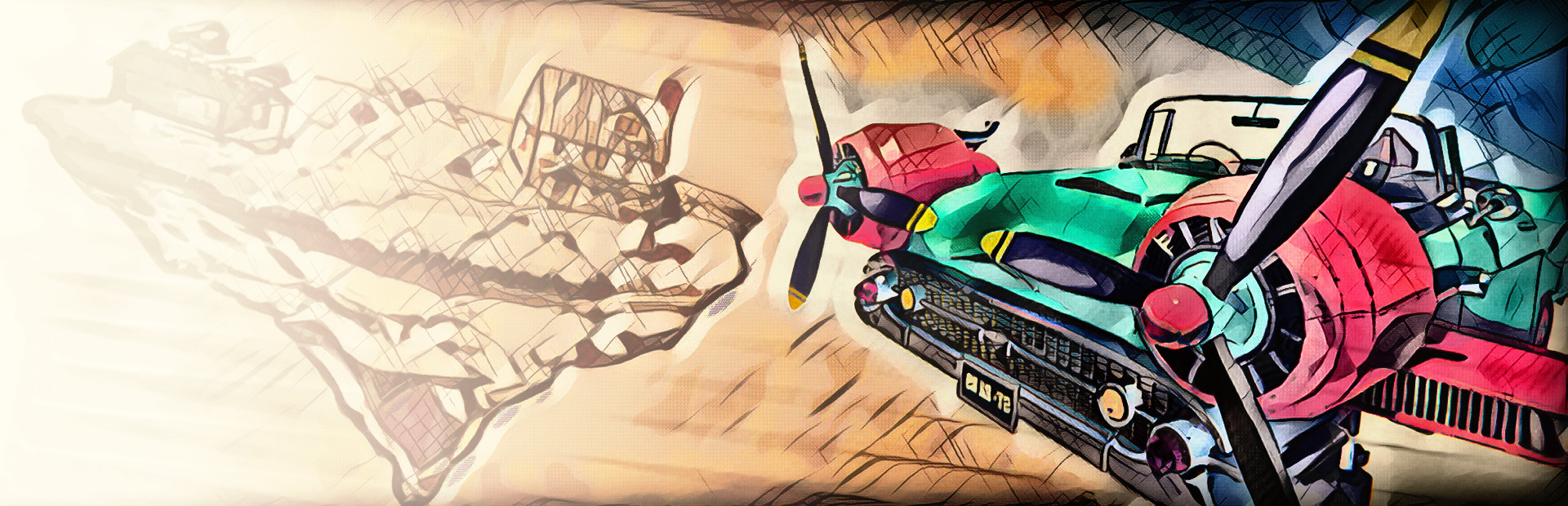
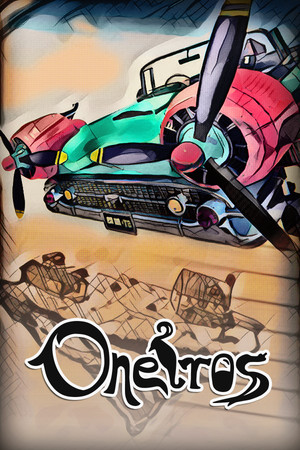
I have a soft spot for the kind of game that exists because one person simply refused to stop building it. Oneiros is that game. Solo developer Rafal Kula spent years constructing a first-person puzzle adventure across four distinct chapters, each one bending its own visual rules and swapping out puzzle logic before the previous chapter's approach has time to go stale. That restlessness is both its greatest strength and the source of most of its wobbles. The structure starts grounded: you wake up as Liam inside what should be a familiar world, except the exits are sealed and reality has a low hum of wrongness running through it. Chapter one kicks off in a locked cinema bathroom - a deliberately unglamorous entry point - and asks you to observe your environment carefully, cross-reference clues, and think laterally to progress. From there the game accelerates outward into a sky island where giant floating objects (a bunch of bananas, a skateboard) are rendered with photorealistic surface detail against an almost watercolor sky. A later chapter drops you into a gravity-shifting platforming section where pulling switches reorients the entire level layout. The final stretch revisits the opening cinema in low-poly, populated by mannequin-faced crowds who track Liam silently as he walks past. Each chapter feels like a different person's favorite genre idea, stitched together by a shared dream logic that mostly holds. Puzzle design sits in a comfortable middle register: observational, inventory-driven, occasionally locked behind number combinations hidden in environmental details. A clipboard with non-obvious hints keeps things from becoming frustrating without dissolving the satisfaction of solving things yourself. The difficulty jump between chapters two and three is real and slightly abrupt. A couple of the embedded mini-games - a unicorn platformer and a skateboarding runner - have control issues that reviewers consistently flagged, and both are entirely skippable without missing narrative context. There are also minor graphical flickering artifacts that some players initially mistake for intentional dream effects before realizing they are not. What holds everything together is the presentation. The art style shifts deliberately between photorealism, blurred surrealism, and low-poly rendition depending on the emotional register of each scene. The soundtrack is a genuine highlight: sourced from real indie and alternative rock bands, it plays at carefully chosen moments rather than looping endlessly, which makes it land harder when it does appear. Voice acting for Liam is functional and grows on you, though supporting characters are noticeably flat. The narrative itself has a strong central mystery but leans on lowbrow humor a little too frequently for a game whose emotional underpinning is actually quite affecting. When it trusts its own story, the ending carries real weight. When it deflects into jokes, the deflection is felt. For anyone who gravitates toward short, handcrafted experiences where the creator's fingerprints are visible on every asset, Oneiros is genuinely worth the session. Two to four hours depending on your puzzle pace, no filler, and the kind of environment design you find yourself stopping to look at rather than just passing through. The rough edges are real but they read as one person's debut, not as carelessness. That difference matters to me.

Indie & narrative
Tags
System Requirements
Minimum
- OS
- Windows 8/7/Vista
- Memory
- 4 GB RAM
- DirectX
- Version 9.0c
- Storage
- 3300 MB available space
- Graphics
- nVidia GeForce 840M or Radeon R7 M260
- Processor
- Core 2 Duo E6700 (2.66 GHz)
Recommended
- OS
- Windows 10
- Memory
- 8 GB RAM
- DirectX
- Version 11
- Storage
- 3300 MB available space
- Graphics
- NVidia GTX 970 or better
- Processor
- Core 2 Quad Q9650 (3 GHz) or better
Keep exploring
Community Discussion
Be the first to comment on Oneiros.
Reviews & Ratings
No ratings available
Game Info
- Developer
- Coal Valley Games
- Publisher
- Coal Valley Games
- Release Date
- Mar 27, 2020