One Hand Clapping
A 2D platformer where your literal voice reshapes the world, hum, sing, or wail into a mic to solve puzzles and unlock a quietly moving story about self-confidence.
GamerScout Verdict
A gentle, inventive puzzler that rewards anyone willing to hum into a mic and sit with something genuinely unlike most things on Steam.
Compare Prices(10 stores)
Every store in this table quotes us in euros, so the EUR figure is the price the seller actually set, not our arithmetic — which is why EUR is also the currency we rank in. We only list an offer here when the store gives us its price in euros, so nothing in this table is a number we invented.
Pick USD, PLN, GBP, CAD or AUD in the header and we convert from EUR at the European Central Bank reference rate — converted amounts are prefixed with ~. Your bank or the store may apply a different rate at checkout. We never hide offers based on where you are: everyone sees this whole table.
We may earn a commission when you buy games through links on this page — at no extra cost to you. It never affects our rankings or verdicts.
Price History
Screenshots & Media
About One Hand Clapping
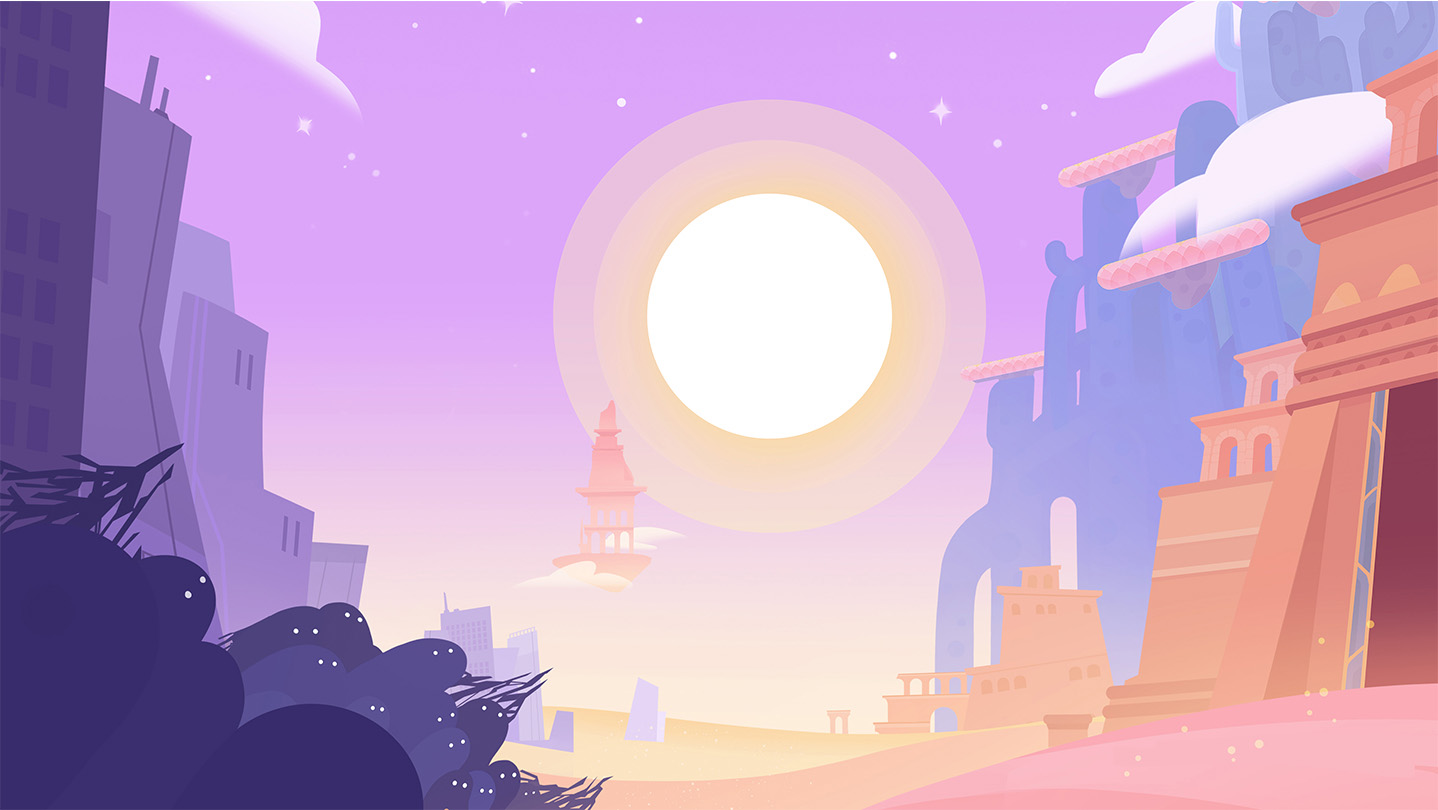
One Hand Clapping is built around a single, genuinely unusual idea: your microphone is your controller. You sing, hum, or pitch your voice up and down to interact with the world, and the game maps that input to puzzle mechanics in ways that feel surprisingly natural within an hour of play. It sits in the 2D platformer genre but the movement is calm, almost meditative. The emphasis is not on jumping skill or reflex, but on listening, matching tones, and learning to trust what your voice can do. Bad Dream Games made something here that would never exist inside a studio pitch meeting, and that scrappy origin is exactly why it works. The puzzles scale from simple pitch-matching challenges, where you hold a note to raise a platform or open a gate, to more intricate tasks involving sustained breath, volume control, and melodic movement. The game never asks you to be a trained singer. It asks you to be present and willing to make a little noise. That distinction matters. Players who have anxiety around singing alone in their rooms have mentioned in reviews that the game helped them get past it, which is a remarkable thing for a puzzle-platformer to accomplish. The stated theme of finding confidence in your own voice is not just window dressing. The mechanics reinforce it directly. Visually, One Hand Clapping uses a painterly, desaturated hand-drawn art style that gives every environment a dream-logic quality. Landscapes feel assembled from memory rather than geometry. The soundtrack is ambient and textural, sitting quietly under your own vocal input rather than competing with it. That choice is intentional and smart: the game wants you to hear yourself, and the audio design respects that goal without making the experience feel sparse. Some sections have an almost ceremonial stillness that slower-paced players will appreciate, though anyone expecting dense mechanical variety across the full runtime may find a few segments overstay their welcome. The honest caution here is that microphone sensitivity and calibration will shape your experience significantly. Most players report that the built-in calibration handles a wide range of voices and setups without drama, but users with lower-quality microphones or heavy background noise have run into moments where the game misreads input. There is no gamepad fallback for the voice sections, so if your setup is shaky, some puzzles will frustrate rather than charm. It is worth doing a quick sound check before settling in. At roughly four to six hours for a relaxed playthrough, the game knows its length and does not pad it. The ending earns the quiet it has been building toward. This is the kind of release that gets underplayed because it is hard to explain in a trailer. You have to actually sit with it, make some embarrassing noises into your headset, and then realize twenty minutes later that you have been humming more confidently than you did when you started. That is a strange and specific gift from a small team, and it deserves more attention than its review count currently reflects.

Indie & narrative
Tags
System Requirements
Minimum
- OS
- Windows 10
- Processor
- 2.4 GHz+
- Memory
- 4 GB RAM
- Graphics
- Dedicated graphics card with 1+ GB of VRAM
- DirectX
- Version 11
- Storage
- 1500 MB available space Additional N…
Recommended
Requires a 64-bit processor and operating system
Keep exploring
Community Discussion
Be the first to comment on One Hand Clapping.
Reviews & Ratings
Game Info
- Developer
- Bad Dream Games
- Publisher
- HandyGames
- Release Date
- Dec 14, 2021