NeverAwake
Shoot through a comatose girl's fears across 80 hand-crafted nightmare stages, where the real hook isn't survival, it's soul collection, looping levels, and a surprisingly dark emotional core.
GamerScout Verdict
Recommended for twin-stick fans who want a short, artful shooter with genuine mood, skip if narrative delivery matters as much as mechanics to you.
Compare Prices(5 stores)
Every store in this table quotes us in euros, so the EUR figure is the price the seller actually set, not our arithmetic — which is why EUR is also the currency we rank in. We only list an offer here when the store gives us its price in euros, so nothing in this table is a number we invented.
Pick USD, PLN, GBP, CAD or AUD in the header and we convert from EUR at the European Central Bank reference rate — converted amounts are prefixed with ~. Your bank or the store may apply a different rate at checkout. We never hide offers based on where you are: everyone sees this whole table.
We may earn a commission when you buy games through links on this page — at no extra cost to you. It never affects our rankings or verdicts.
Price History
Screenshots & Media
About NeverAwake
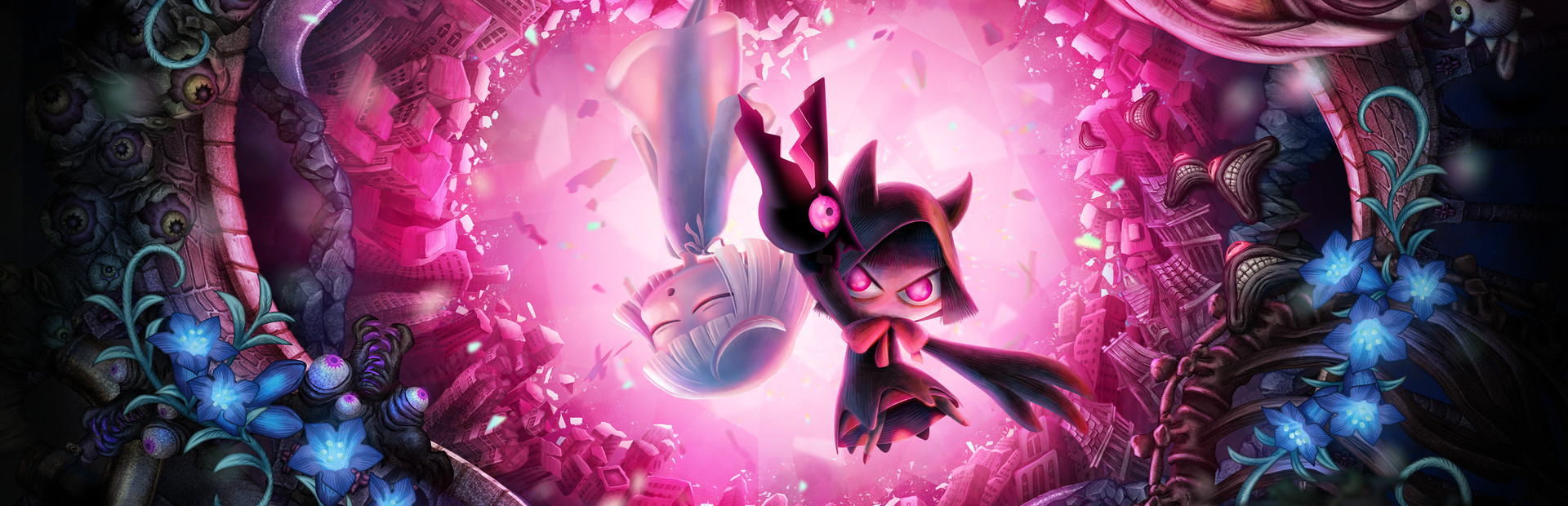
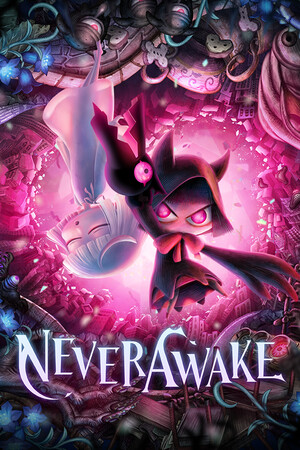
I went into NeverAwake expecting a competent shmup curiosity and came out thinking about it for days afterward. Neotro Inc., a small Yokohama-based studio, built something here that sits at the intersection of bullet hell aggression and quiet, melancholic storytelling, and somehow it mostly works. The mechanics are the first thing that sets it apart from the genre crowd. You play as Rem, a girl armed with a dragon-shaped gun, moving with the left stick while aiming 360 degrees with the right. Standard twin-stick setup so far. But the level structure is where things get interesting: stages loop. Your objective isn't to reach an exit or rack a high score, it's to collect enough souls dropped by defeated enemies to hit 100% completion. Miss the mark in one pass and the loop repeats, but harder, with tougher enemies carrying over from the previous run. Passive play punishes itself naturally, and the design nudges you to push forward aggressively rather than dodge-and-hide. Most stages clock in at one to two minutes under clean conditions, which gives the whole game a sharp, arcade-like rhythm. On top of that, Rem's arsenal grows meaningfully: secondary weapons range from radial firework bursts to rapid-fire volleys to a shotgun-style attack, and an accessories system lets you slot in items like shield rings, soul-magnet earmuffs, and lipstick-shaped special weapon chargers. There is more loadout thinking here than most shooters in this price bracket bother with. The world design is where NeverAwake earns its most devoted defenders. Each of the six worlds is built from the mundane things Rem fears and hates, vegetables, monstrous dogs, school bullies, dentists, math class, and the hand-drawn art transforms them into genuinely unsettling creatures. Wasabi and eggplant bosses fill the screen. Viruses swarm a stage set inside a body. The visual tone is somewhere between Tim Burton and a Sega arcade cabinet circa 1995, and the original soundtrack reinforces that: a propulsive, slightly eerie score with a distinct flavor per world, punctuated by an official theme track from Seoul-born DJ YonYon. The soundscape alone is worth the price of admission for anyone who cares about intentional audio design. Where NeverAwake is less convincing is its narrative delivery. The story, a comatose girl, years of depression and bullying, diary fragments scattered between levels, is affecting in concept but scattered in execution. Entries drop out of order, often feel repetitive, and the game disperses them at menus, on death screens, and after completions with little sense of curation. Some critics found the emotional thread genuinely moving; others found it too disjointed to invest in. Your mileage will vary, but the setting and tone carry the weight even when the written storytelling doesn't. Two distinct endings and a Route B that imposes new stage constraints, finish a level on the first loop, avoid collecting certain souls to actually defeat bosses rather than drain them, add replay incentive for those who want to dig deeper. Runtime for a first playthrough lands somewhere between three and five hours depending on skill level, and the difficulty late in the campaign does spike in a way that feels slightly less earned than the earlier pacing suggests. Accessibility is handled thoughtfully. An auto-aim toggle lets newcomers focus on movement and dodging rather than stick accuracy. An Oversoul mode, a temporary berserker power-up available after death, softens walls without trivializing them. Global leaderboards reward low-loop efficiency for the score-chasers. It is a game that scales to its audience with genuine care.

Indie & narrative
Tags
System Requirements
Minimum
- OS
- WIndows 10
- Memory
- 8 GB RAM
- Storage
- 2 GB available space
- Graphics
- NVIDIA MX250
- Processor
- Intel Core i7-8565U
Recommended
- OS
- Windows 10
- Memory
- 16 GB RAM
- Storage
- 2 GB available space
- Graphics
- NVIDIA RTX 2060
- Processor
- Intel Core i7
Keep exploring
Community Discussion
Be the first to comment on NeverAwake.
Reviews & Ratings
Game Info
- Developer
- Neotro Inc.
- Publisher
- Phoenixx Inc.
- Release Date
- Sep 28, 2022