Nanotale - Typing Chronicles
Typing words to cast spells and catalog a dying world sounds like a gimmick until you're actually doing it - this keyboard-driven RPG earns its hook, even if its story doesn't quite match its mechanics.
GamerScout Verdict
Best for keyboard-comfortable RPG fans who want a short, mechanically novel adventure and can forgive a predictable story.
Compare Prices(8 stores)
Every store in this table quotes us in euros, so the EUR figure is the price the seller actually set, not our arithmetic — which is why EUR is also the currency we rank in. We only list an offer here when the store gives us its price in euros, so nothing in this table is a number we invented.
Pick USD, PLN, GBP, CAD or AUD in the header and we convert from EUR at the European Central Bank reference rate — converted amounts are prefixed with ~. Your bank or the store may apply a different rate at checkout. We never hide offers based on where you are: everyone sees this whole table.
We may earn a commission when you buy games through links on this page — at no extra cost to you. It never affects our rankings or verdicts.
Price History
Screenshots & Media
About Nanotale - Typing Chronicles
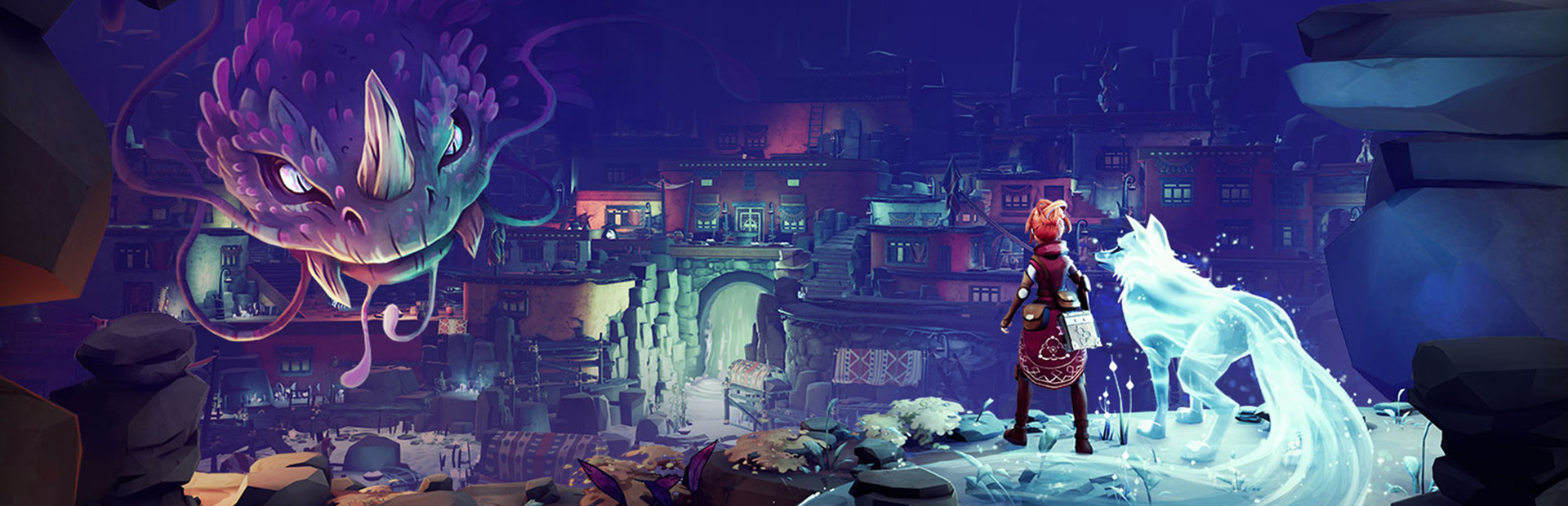
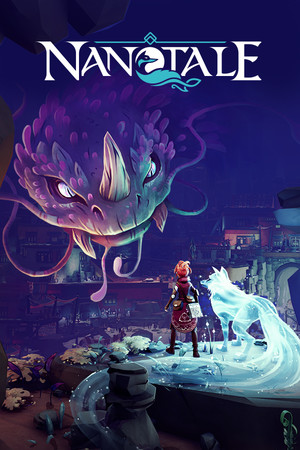
I came into Nanotale - Typing Chronicles having spent real time with narrative RPGs where every word on screen carries weight, so the idea of literally typing those words to interact with the world hit differently than I expected. Fishing Cactus built something genuinely unusual here: a top-down adventure RPG where your keyboard is the only input device, covering movement (ESDF, not WASD, which will briefly annoy you), combat, puzzle-solving, dialogue, and even the menus. The premise clicks almost immediately. You play as Rosalind, a novice archivist gifted with word magic, cataloging flora and fauna in a world quietly rotting from magical corruption. Every plant you study, every critter you document, earns experience, which means the lore collection loop and the progression loop are literally the same loop. For an RPG nerd, that design decision alone is worth respecting. The magic system is where Nanotale earns its mechanical credibility. You unlock elemental spells - FIRE, ICE, ZAP, LIFE - and then layer modifier words on top of them to change their behavior. Type BEAM before FIRE and your flame becomes a straight line. Type LARGE to expand the area. The game barely explains any of this, which is both a feature and a flaw depending on your patience for self-directed discovery. Combat involves enemies closing in with words floating above their heads; you type those words to hit them, and the adaptive difficulty system serves longer, more complex words the faster and more accurately you type. In tight encounters with multiple enemies swarming you, the heart-rate genuinely climbs. The catch is that certain spell combinations - particularly a FIRE-prefix build - outclass everything else for most of the run, and the combat rarely demands you explore the full toolkit. Mind-control and decoy mechanics exist and feel underused. The worldbuilding lore entries are a quiet highlight. The diary descriptions of plant species and old-world remnants are carefully written and reward completionists who hunt every archive. The visual style leans storybook-colorful, almost Trine-adjacent, and the soundtrack holds up through the full 7-9 hour runtime. Voice acting shows up at the opening and closing of the game but largely disappears in the middle, which is a missed opportunity given how much the predecessor Epistory leaned on its narrator to carry emotional momentum. Here, the story fills the gap with NPC dialogue you interact with by typing highlighted keywords mid-conversation - a clever touch - but the main plot itself is a predictable corruption-cleansing arc that never delivers a genuinely surprising beat. The honest criticism is that Nanotale shipped with enough bugs and rough edges to frustrate players who came in expecting Epistory-level polish. The map is legitimately confusing, fast travel is absent, and some character collision bugs were reported repeatedly at launch. Patches have addressed a portion of these, but the game still carries that slightly-unfinished quality that surfaces in awkward scene transitions and occasional enemy-word visibility problems. The side-quest system offers glimpses of the world's different biomes but reviewers and players broadly agree it lacks consequence. If you want narrative payoff from your optional content, you will not find it here. Nanotale works best as a short, focused experience for keyboard-comfortable players who want something genuinely different and don't mind a narrative that coasts on charm rather than structure. Play it on PC with a mechanical keyboard if you have one - the tactile feedback matters. If you bounced off Epistory or have no prior relationship with the Typing Chronicles series, this is a reasonable entry point, though going back to Epistory afterward may leave you wishing Nanotale had inherited more of that game's storytelling confidence.

RPGs
Tags
System Requirements
Minimum
- OS
- Windows 10
- Memory
- 8 GB RAM
- Storage
- 2 GB available space
- Graphics
- Radeon HD6870 -OR- GeForce GTX 295 (Does not support Intel Integrated Graphics Cards)
- Processor
- Intel Core i5 2400 -OR- AMD Phenom II X6 1100T
Recommended
Requires a 64-bit processor and operating system
Keep exploring
Community Discussion
Be the first to comment on Nanotale - Typing Chronicles.
Reviews & Ratings
Game Info
- Developer
- Fishing Cactus
- Publisher
- Fishing Cactus
- Release Date
- Mar 31, 2021