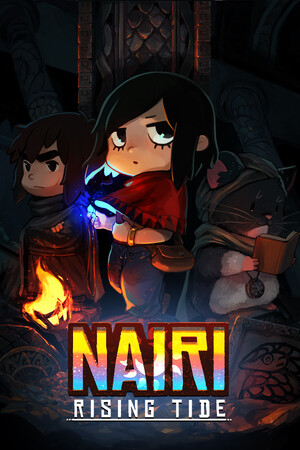
NAIRI: Rising Tide
Hand-drawn anthropomorphic animals, class uprising politics, and puzzle dungeons that reward patience: Rising Tide is a small studio's six-year love letter that mostly delivers, with one gut-punch ending attached.
GamerScout Verdict
Best for Tower of Shirin fans ready for a richer, harder-edged chapter that does not wrap up cleanly.
Compare Prices(8 stores)
Every store in this table quotes us in euros, so the EUR figure is the price the seller actually set, not our arithmetic — which is why EUR is also the currency we rank in. We only list an offer here when the store gives us its price in euros, so nothing in this table is a number we invented.
Pick USD, PLN, GBP, CAD or AUD in the header and we convert from EUR at the European Central Bank reference rate — converted amounts are prefixed with ~. Your bank or the store may apply a different rate at checkout. We never hide offers based on where you are: everyone sees this whole table.
We may earn a commission when you buy games through links on this page — at no extra cost to you. It never affects our rankings or verdicts.
Price History
Screenshots & Media
About NAIRI: Rising Tide
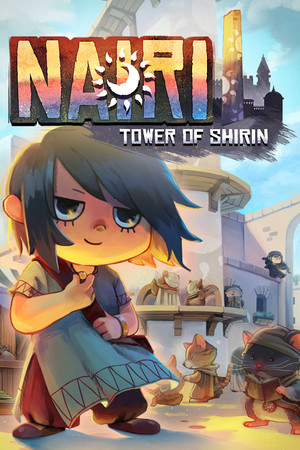
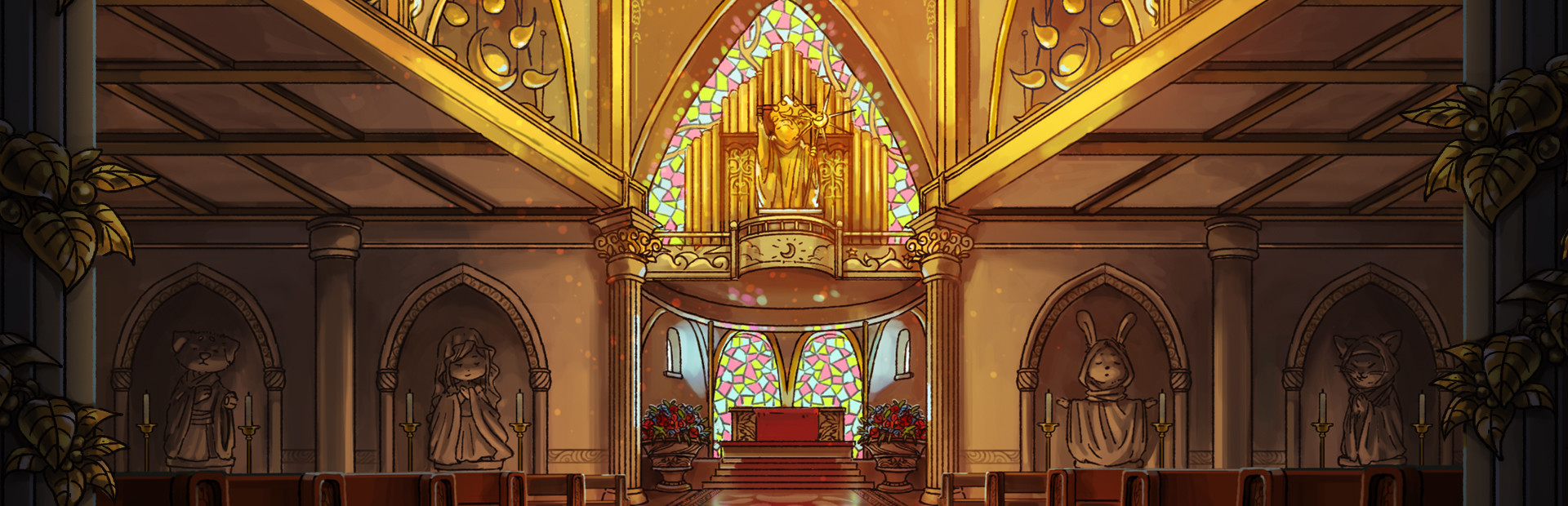
My honest first thought booting this up was that HomeBearStudio had spent six quiet years getting better at their craft, and the opening screens confirm it. Rising Tide picks up a few weeks after the events of Tower of Shirin, dropping you first into the shoes of Shiro navigating the Waterworks before shifting to Nairi herself, who has been lying low in the Middle District, working a bakery job with her companion Rex and scraping together coin for forged passes into the Upper Wards. That setup sounds modest, but the city of Shirin has real texture: sparkling baths, ornate cathedrals, a Bear Bazaar with a baker who actually matters to the plot. The 2D hand-drawn backgrounds are a visible step up from the first game, with animated windswept petals in the royal garden and dusty light filtering through ancient towers. You Miichi's art has sharpened considerably over the gap between entries, and it shows in every scene transition. The point-and-click structure is familiar territory, but Rising Tide layers in several new systems. Nairi's Toolbelt lets her assemble multi-part items, which adds a mild spatial-logic layer to what would otherwise be straightforward inventory combination. It can feel redundant when the same components need to be broken apart and reassembled across nearby rooms, but the tactile rhythm of it grows on you. Puzzle dungeons are the headline addition: multi-room vertical and horizontal spaces packed with interconnected logic chains, like constructing a lever, socketing it into a dial, unlocking a door, and retrieving a piece needed two floors above. The hint system, represented by a wheeled chick named Pipi, trades hidden coins for hand-drawn illustration nudges in your journal rather than blunt text solutions, which is a genuinely charming design choice. You can also skip dungeons outright if you are purely here for narrative, which is the right call for accessibility even if the coin-powered hints sometimes feel under-calibrated for dungeon complexity. The story sits in territory that the best mid-budget adventure games occupy: class struggle, religious corruption, and a prophesied catastrophe called the Great Storm, all filtered through the lens of kid heroes in an anthropomorphic world where bear bakers and toucan archaeologists share screen time with morally grey council members. The themes do not go very deep, but the characters carry the weight that the worldbuilding sometimes drops. Nairi is devious in an endearing way, Rex is quietly caring, and Sayo, a ten-year-old leader of a thieves guild, is an outright delight. Dialogue is delivered in short portrait-driven bursts rather than text walls, which keeps pace steady. The soundtrack deserves its own mention: layered woodwinds, strings, and percussion shift from bouncy bazaar themes to ethereal waterway melodies to mysterious twangy ruin motifs, and it does as much atmospheric work as the visuals. The sharp edges are real. This is not a standalone entry: while a 15-minute illustrated recap lives on the save screen, the opening plunges into proper noun soup and the gap since 2018 is long enough that even fans will feel the drift. There are occasional cursor-feedback bugs, typos in the dialogue, and a map that marks areas without flagging where you actually need to go next. The biggest sticking point across most reviews is the ending, which closes on a hard cliffhanger with loose ends unresolved and antagonists effectively winning. A third game is confirmed in development, so context exists, but the game itself does not announce this, and the final scene will sting players who wanted at least one earned victory before the credits. That is a structural choice that divides opinion sharply and is worth knowing before you sit down. For the right player, none of that cancels the good. This is the kind of small, handcrafted work that only a dedicated two-person core can produce: specific in its aesthetic, patient in its pacing, and genuinely warm in how it treats even minor NPCs. If you loved Tower of Shirin, start here without hesitation. If you are new, play that first game before Rising Tide, not because the recap is inadequate but because the emotional payoffs in both entries compound. Either way, the six-hour-to-ten-hour runtime knows roughly when to stop, which is more than most games this year managed.

Indie & narrative
Tags
System Requirements
Minimum
- OS
- Windows 7
- Memory
- 4 GB RAM
- DirectX
- Version 9.0
- Storage
- 5 GB available space
- Graphics
- Intel HD 3000
- Processor
- 2 GHz
Keep exploring
Community Discussion
Be the first to comment on NAIRI: Rising Tide.
Reviews & Ratings
No ratings available
Game Info
- Developer
- HomeBearStudio
- Publisher
- Hound Picked Games
- Release Date
- Nov 14, 2024