Mystical Map
One solo developer, a hand-drawn dungeon, and an honest question: what if the rogue-lite map was yours to plot? Rough around the edges, but the path-choice hook is the real thing.
GamerScout Verdict
Best for patient roguelite fans who value map agency over polished combat and want to support a solo developer's honest first release.
Compare Prices(2 stores)
Every store in this table quotes us in euros, so the EUR figure is the price the seller actually set, not our arithmetic — which is why EUR is also the currency we rank in. We only list an offer here when the store gives us its price in euros, so nothing in this table is a number we invented.
Pick USD, PLN, GBP, CAD or AUD in the header and we convert from EUR at the European Central Bank reference rate — converted amounts are prefixed with ~. Your bank or the store may apply a different rate at checkout. We never hide offers based on where you are: everyone sees this whole table.
We may earn a commission when you buy games through links on this page — at no extra cost to you. It never affects our rankings or verdicts.
Price History
Screenshots & Media
About Mystical Map
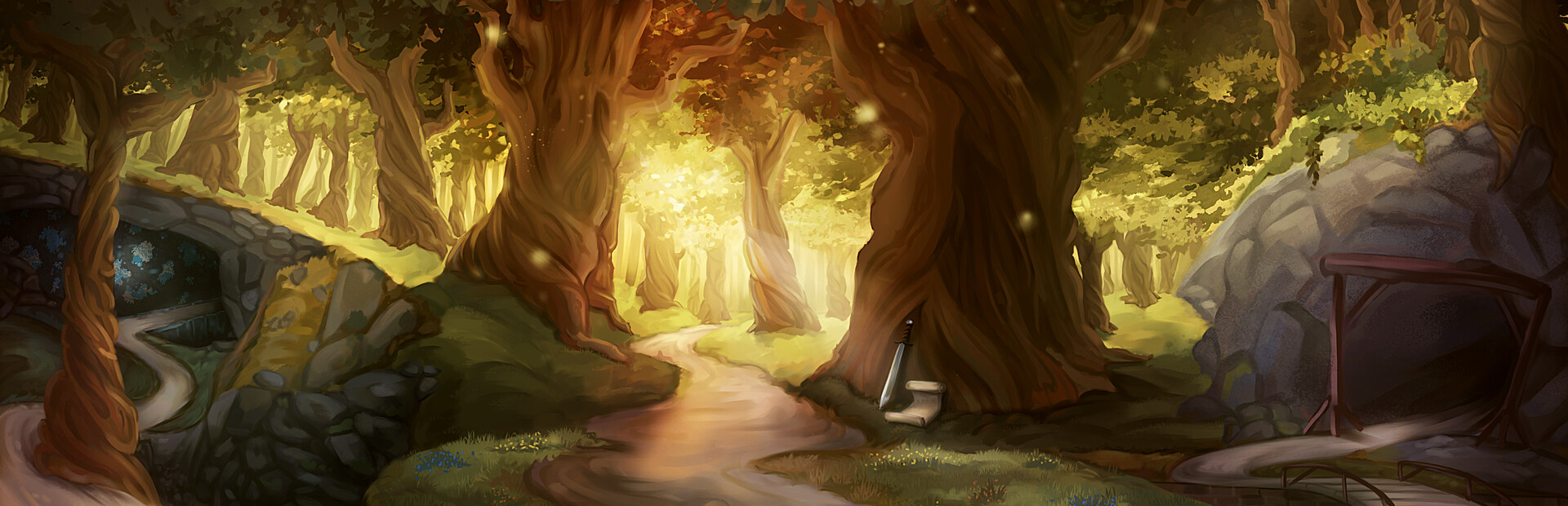
I have a soft spot for games that arrive quietly, no press kit, no influencer push, just a single developer uploading something they genuinely made. Mystical Map fits that description precisely. It is a 2D action-platformer with a rogue-lite structure built around one central idea: the procedurally generated map lays out a web of rooms, and you decide which ones to enter and in what order. That sounds simple, but the ripple effect on how a run feels is larger than it first appears. Skip the elite enemy room and you miss a potential weapon upgrade. Beeline toward the boss and you might arrive underpowered. Linger in mimic treasure rooms and the risk-reward math shifts every single time. The room variety gives the format some texture. Platforming challenge rooms sit alongside standard combat encounters and the aforementioned mimic rooms, so no two runs follow the same rhythm even when the underlying tile pool repeats. The full release added new zones, weapons, upgrades, and enemies on top of the demo's forest opening, which gives returning players a reason to push further. Controller support is fully implemented, cloud saves are in, and achievements are tracked, which is more infrastructure than a lot of sub-five-dollar titles bother with. Here is where honesty matters, though. Early player feedback flagged the combat as the weak link, and I think that read is fair. Enemy behavior leans on a damage-trade logic where opponents absorb several hits before responding, and the hit detection does not always feel crisp enough to make that feel intentional rather than sluggish. The developer has been responsive, shipping UI fixes and a framerate cap patch shortly after launch, which signals genuine care, but the core feel of swinging at a goblin or trading blows with the Minotaur still asks you to meet the game partway. If tight, responsive action combat is your baseline expectation for the genre, you may find the friction frustrating rather than charming. What the game does earn, fully, is credit for its central conceit. The path-plotting loop scratches a specific itch: the quiet satisfaction of surveying a map and making a plan. Speed-runners who want to optimize room skips have a real decision tree to work with. Completionists who want to clear every room before a boss will find that approach genuinely rewarded by item density. That dual accommodation inside a tiny, low-cost package is not accidental. It is designed, and design intention at this price point from a solo creator deserves acknowledgment. Approach it as a rough-cut experiment with a smart core rather than a polished genre entry, and Mystical Map will give you something worth a few evenings.

Indie & narrative
Tags
System Requirements
Minimum
- OS
- Windows 7
- Memory
- 8 GB RAM
- DirectX
- Version 9.0
- Storage
- 300 MB available space
- Graphics
- Nvidia GTX 680, AMD R9 280X
- Processor
- 2.0 Ghz
Recommended
- OS
- Windows 10
- Memory
- 16 GB RAM
- DirectX
- Version 10
- Storage
- 300 MB available space
- Graphics
- Nvidia GTX 680, AMD R9 280X
- Processor
- 3.0 Ghz
Keep exploring
Community Discussion
Be the first to comment on Mystical Map.
Reviews & Ratings
No ratings available
Game Info
- Developer
- Peep
- Publisher
- Peep
- Release Date
- Jan 12, 2024