
Mountains of Madness
A solo dev's earnest shot at Lovecraft's Antarctic nightmare, but a coin-flip Steam score and empty corridors mean only the most patient atmosphere-seekers should apply.
GamerScout Verdict
Worth it only for dedicated Lovecraft readers who can forgive thin level design for rare moments of genuine Antarctic dread.
Compare Prices(4 stores)
Every store in this table quotes us in euros, so the EUR figure is the price the seller actually set, not our arithmetic — which is why EUR is also the currency we rank in. We only list an offer here when the store gives us its price in euros, so nothing in this table is a number we invented.
Pick USD, PLN, GBP, CAD or AUD in the header and we convert from EUR at the European Central Bank reference rate — converted amounts are prefixed with ~. Your bank or the store may apply a different rate at checkout. We never hide offers based on where you are: everyone sees this whole table.
We may earn a commission when you buy games through links on this page — at no extra cost to you. It never affects our rankings or verdicts.
Price History
Screenshots & Media
About Mountains of Madness
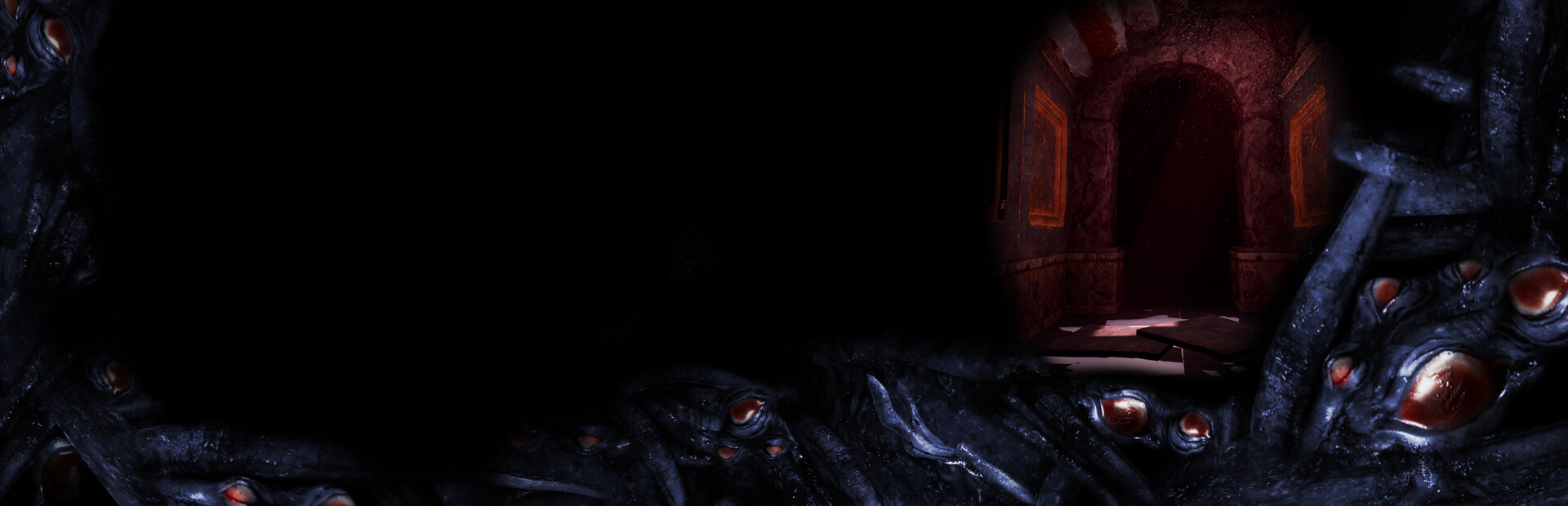
My honest instinct with a solo-developed Lovecraft adaptation is to root for it hard. The subject matter practically begs for slow-burn dread, and "At the Mountains of Madness" is one of the great untapped veins in horror game history. So I want to say Deep Dive Project pulled it off. I really do. The reality is more complicated. You play as geologist William Dyer, leader of the Miskatonic University Expedition, picking through Antarctic ruins that predate human memory. The structure is unguided first-person exploration with a light toolkit: a pickaxe for cracking through ice barriers, and a deployable ladder that becomes the game's most interesting mechanical idea. That ladder can be positioned with genuine freedom, letting you improvise bridges across gaps and scale walls the level design never explicitly tells you to climb. There are moments where this feels genuinely clever, a small tactile reward for spatial curiosity. Item-and-use puzzles round out the interactivity, though they sit at the simpler end of the genre. Lore fragments tied to Shoggoths and the Old Ones surface as you explore, and the game gives you a notebook to record them, which is a thoughtful touch for players who care about the source material. The problem is what surrounds those moments. The opening cave system is punishingly drab, and it sets an expectation the rest of the game only partially corrects. The ancient ruins that follow have atmospheric potential, but the level design repeats itself in ways that drain the mystery out of spaces that should feel genuinely alien. Wayfinding is sparse to the point of frustration rather than productive unease. The community forums show players stuck on basic navigation, which is not the same thing as being unsettled by cosmic horror. The Steam review split sitting near 50-50 tells its own story: this is a game that works for some people in specific moods and actively frustrates others. What Deep Dive Project does earn credit for is the ending, which reportedly sticks the landing better than the hours leading to it. The architecture of the Old One ruins carries real Lovecraftian geometry when the spaces open up. And the footstep audio, noted even in early demo feedback, creates a peculiar ambient paranoia that is almost certainly unintentional but lands perfectly for the theme. There are screenshots in here worth framing. The problem is the ratio: too many stretches of repetitive emptiness between the genuinely eerie moments, and a storytelling structure that leans on the reader's prior knowledge of the novella rather than building its own narrative momentum. If you have never read "At the Mountains of Madness," play this after, not instead. If you have read it and can carry that imaginative weight into an underproduced but occasionally striking solo-dev project, there is something here for you, quietly, in the gaps between the frustrations.

Indie & narrative
Tags
System Requirements
Minimum
- Memory
- 4 GB RAM
- Graphics
- Nvidia GTX 750
- Processor
- AMD FX-6300
Recommended
8 GB RAM
Keep exploring
Community Discussion
Be the first to comment on Mountains of Madness.
Reviews & Ratings
No ratings available
Game Info
- Developer
- Deep Dive Project
- Publisher
- Deep Dive Project
- Release Date
- Jun 14, 2024