Compare moto RKD dash SP prices across 50+ stores and find the best deal. Developed by rkd.zone. Published by rkd.zone. Released on 6/3/2016. Available on PC, Mac, Linux. Genres: Casual, Indie, Racing, Simulation.

Forty years of electromechanical nostalgia squeezed into ten levels of fuel-gauge-or-die motorcycle racing. Worth a look if you remember when arcade games had physical gears.

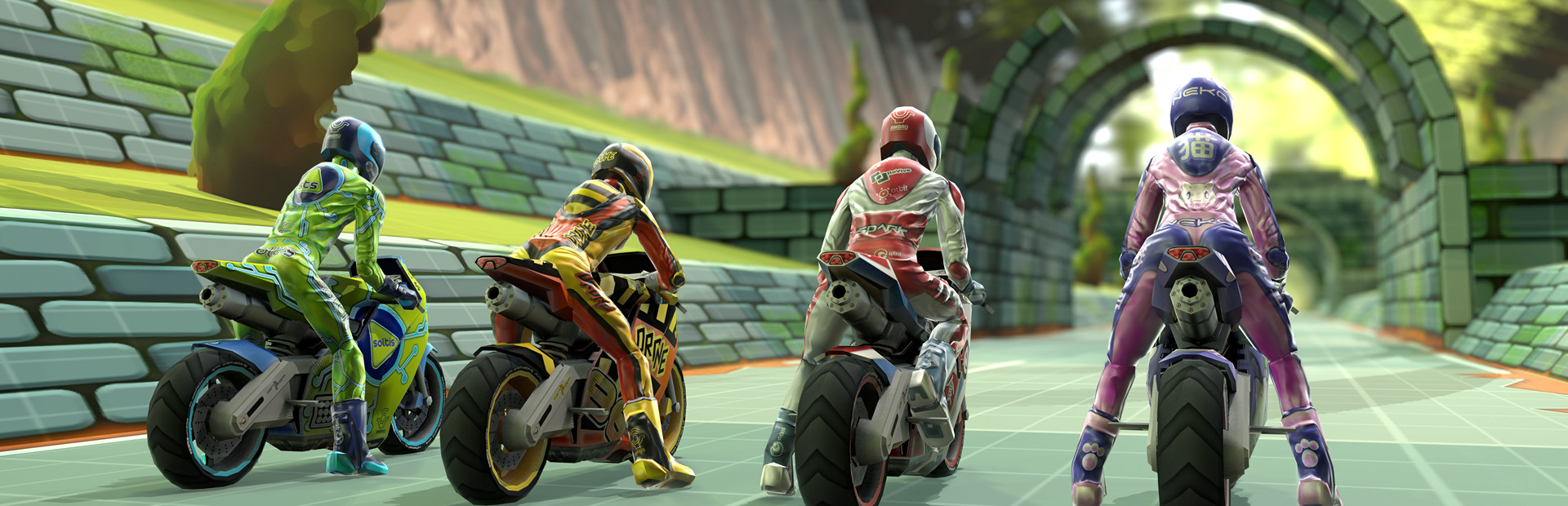
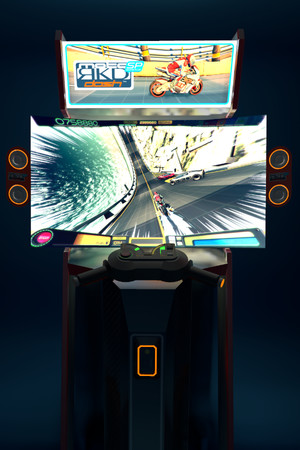
I went in expecting a throwaway indie curiosity and came out genuinely impressed by how much personality a developer can pack into what is, on paper, an extremely simple arcade racer. Moto RKD Dash SP is built as a digital love letter to two obscure toys: the Tomy Turnin' Turbo Dashboard, a motorized 1983 desktop driving simulator that predated most of its fans, and Sega Moto Champ, an electromechanical motorcycle game from the arcade era. The developer didn't just slap a retro filter on a generic racer. The structure, the loop, and even the tension all feel like they were reverse-engineered from physical hardware. The core mechanic is lean and deliberate. You steer left and right, manage a three-phase speed system by filling a turbo meter and then holding that peak velocity, and race against a fuel gauge that functions as both a timer and a pressure mechanism. Run out of fuel before you hit the finish line and the run is over. There's no health bar, no boost button spam, no checkpoint forgiveness. The control vocabulary is tiny but the execution ceiling is surprisingly high, because each of the ten levels introduces a new wrinkle. Banking roads that pull the bike sideways via simulated gravity, narrow chokepoints, and wind that sends rival riders drifting unpredictably across your line all mean you're not just memorizing a track layout. You're reading a moving puzzle at speed. The final stage goes further still, swapping in a disappearing road and a strange one-on-one 'bonding' race that the developer clearly had fun designing. Finishing the main game also unlocks RKD Champ 81, a bonus mode that strips the presentation back to a faithful LCD electronic toy aesthetic, which is a genuinely clever reward for anyone who made it through. Visually the SP version holds up. Full HD at a locked 60 FPS, image-based lighting on the bike model, and a neon mode added in the 2017 update that turns the whole thing into something between a laser disc game and a lo-fi dream sequence. The seasons color palette and arcade LED interlaced mode give you even more ways to dress the same core experience, which matters in a game this short. Stage lengths sit between 60 and 100 seconds each, so the full run takes under 20 minutes if you don't crash out. That is a real limitation. This is not a game you settle into for an evening. It's a game you pick up, get your teeth kicked in, learn one more thing about the traffic patterns, and try again. Replayability leans entirely on score-chasing and the Steam achievements rather than any unlock tree or campaign progression. The soundtrack deserves a specific mention because it is doing heavy lifting. Composer Kliment brings trance music that syncs with the rhythm of the racing in a way that makes the sparse visual environments feel much larger than they are. Approxima Astrolabos handles the final stages and the tonal shift is noticeable in a good way. Controller support with gamepad rumble is included and strongly recommended over keyboard, since the analog nuance in steering matters at higher speeds. The Steam user rating sits at 80 percent positive across a small sample, which is about right: people who click with the concept enjoy it, and people expecting more content don't. The honest caveat is content depth. Ten levels, one bonus mode, and a handful of visual filters is the whole package. There's no mod support, no leaderboard integration that would give the score-chasing a community layer, and no difficulty setting for newcomers to ease into the fuel mechanics. The game expects you to learn by failing and doesn't hold your hand, which is authentic to its inspiration but will frustrate players who want a tutorial. If you can accept that this is a style exercise built around one very specific mechanical hook, it delivers that hook cleanly. Diego, Scout Team

moto RKD dash SP
CasualIndieRacingSimulation

moto RKD dash SP

Jun 3, 2016rkd.zone
GamerScout Says

Forty years of electromechanical nostalgia squeezed into ten levels of fuel-gauge-or-die motorcycle racing. Worth a look if you remember when arcade games had physical gears.

PCMacLinux
Best Price Available
0.00
at N/A
Historical low: $3.19

Compare Prices(0 stores)

Loading prices...

We may earn a commission when you buy games through links on this page — at no extra cost to you. It never affects our rankings or verdicts.

Screenshots & Media

Screenshot

About moto RKD dash SP

I went in expecting a throwaway indie curiosity and came out genuinely impressed by how much personality a developer can pack into what is, on paper, an extremely simple arcade racer. Moto RKD Dash SP is built as a digital love letter to two obscure toys: the Tomy Turnin' Turbo Dashboard, a motorized 1983 desktop driving simulator that predated most of its fans, and Sega Moto Champ, an electromechanical motorcycle game from the arcade era. The developer didn't just slap a retro filter on a generic racer. The structure, the loop, and even the tension all feel like they were reverse-engineered from physical hardware. The core mechanic is lean and deliberate. You steer left and right, manage a three-phase speed system by filling a turbo meter and then holding that peak velocity, and race against a fuel gauge that functions as both a timer and a pressure mechanism. Run out of fuel before you hit the finish line and the run is over. There's no health bar, no boost button spam, no checkpoint forgiveness. The control vocabulary is tiny but the execution ceiling is surprisingly high, because each of the ten levels introduces a new wrinkle. Banking roads that pull the bike sideways via simulated gravity, narrow chokepoints, and wind that sends rival riders drifting unpredictably across your line all mean you're not just memorizing a track layout. You're reading a moving puzzle at speed. The final stage goes further still, swapping in a disappearing road and a strange one-on-one 'bonding' race that the developer clearly had fun designing. Finishing the main game also unlocks RKD Champ 81, a bonus mode that strips the presentation back to a faithful LCD electronic toy aesthetic, which is a genuinely clever reward for anyone who made it through. Visually the SP version holds up. Full HD at a locked 60 FPS, image-based lighting on the bike model, and a neon mode added in the 2017 update that turns the whole thing into something between a laser disc game and a lo-fi dream sequence. The seasons color palette and arcade LED interlaced mode give you even more ways to dress the same core experience, which matters in a game this short. Stage lengths sit between 60 and 100 seconds each, so the full run takes under 20 minutes if you don't crash out. That is a real limitation. This is not a game you settle into for an evening. It's a game you pick up, get your teeth kicked in, learn one more thing about the traffic patterns, and try again. Replayability leans entirely on score-chasing and the Steam achievements rather than any unlock tree or campaign progression. The soundtrack deserves a specific mention because it is doing heavy lifting. Composer Kliment brings trance music that syncs with the rhythm of the racing in a way that makes the sparse visual environments feel much larger than they are. Approxima Astrolabos handles the final stages and the tonal shift is noticeable in a good way. Controller support with gamepad rumble is included and strongly recommended over keyboard, since the analog nuance in steering matters at higher speeds. The Steam user rating sits at 80 percent positive across a small sample, which is about right: people who click with the concept enjoy it, and people expecting more content don't. The honest caveat is content depth. Ten levels, one bonus mode, and a handful of visual filters is the whole package. There's no mod support, no leaderboard integration that would give the score-chasing a community layer, and no difficulty setting for newcomers to ease into the fuel mechanics. The game expects you to learn by failing and doesn't hold your hand, which is authentic to its inspiration but will frustrate players who want a tutorial. If you can accept that this is a style exercise built around one very specific mechanical hook, it delivers that hook cleanly. Diego, Scout Team

Tags

singleplayerachievementscontroller-supporttrading-cardstier:sub-5Retro ArcadeFuel ManagementScore AttackElectromechanical HomageUnlockable Bonus ModeNeon ModeSingle-Session PlayGamepad RumbleTrance Soundtrack

Steam Deck & Linux

Steam Deck Playable

Valve rates this game Steam Deck Playable.

System Requirements

Minimum

OS
Win XP / 7 / 8 / 10
Memory
2 GB RAM
DirectX
Version 9.0
Storage
400 MB available space
Graphics
Dedicated 256Mb
Processor
2.5Ghz

Community Discussion

Be the first to comment on moto RKD dash SP.

Reviews & Ratings

No ratings available

Game Info

Developer
rkd.zone
Publisher
rkd.zone
Release Date
Jun 3, 2016

Price Alert

Get notified when the price drops below your target!

Create Alert

Price History

2026-06-103.19(lowest)

Buy smarter: helpful guides

Frequently asked questions about moto RKD dash SP

How much does moto RKD dash SP cost?

moto RKD dash SP pricing changes often and varies by store, edition and region. The live price table on this page compares the cheapest in-stock key and store offers across 50+ verified shops, so you always see the current lowest price before you buy.

Where can I buy moto RKD dash SP cheapest?

Compare moto RKD dash SP prices across every verified store in the price table on this page. We list the cheapest in-stock key and store offers, updated regularly, so you always see the best current deal before you buy.

What platforms is moto RKD dash SP available on?

moto RKD dash SP is available on PC, Mac, Linux.

When was moto RKD dash SP released?

moto RKD dash SP was released on 3 June 2016.

Who developed moto RKD dash SP?

moto RKD dash SP was developed by rkd.zone.