
MO:Astray
A criminally overlooked sci-fi platformer born from a student project, MO:Astray hides genuine emotional weight and inventive design behind the humble silhouette of a small blue blob.
GamerScout Verdict
Best for patient players who want atmospheric sci-fi lore delivered in fragments and a movement kit that keeps reinventing itself chapter by chapter.
Compare Prices(3 stores)
Every store in this table quotes us in euros, so the EUR figure is the price the seller actually set, not our arithmetic — which is why EUR is also the currency we rank in. We only list an offer here when the store gives us its price in euros, so nothing in this table is a number we invented.
Pick USD, PLN, GBP, CAD or AUD in the header and we convert from EUR at the European Central Bank reference rate — converted amounts are prefixed with ~. Your bank or the store may apply a different rate at checkout. We never hide offers based on where you are: everyone sees this whole table.
We may earn a commission when you buy games through links on this page — at no extra cost to you. It never affects our rankings or verdicts.
Price History
Screenshots & Media
About MO:Astray
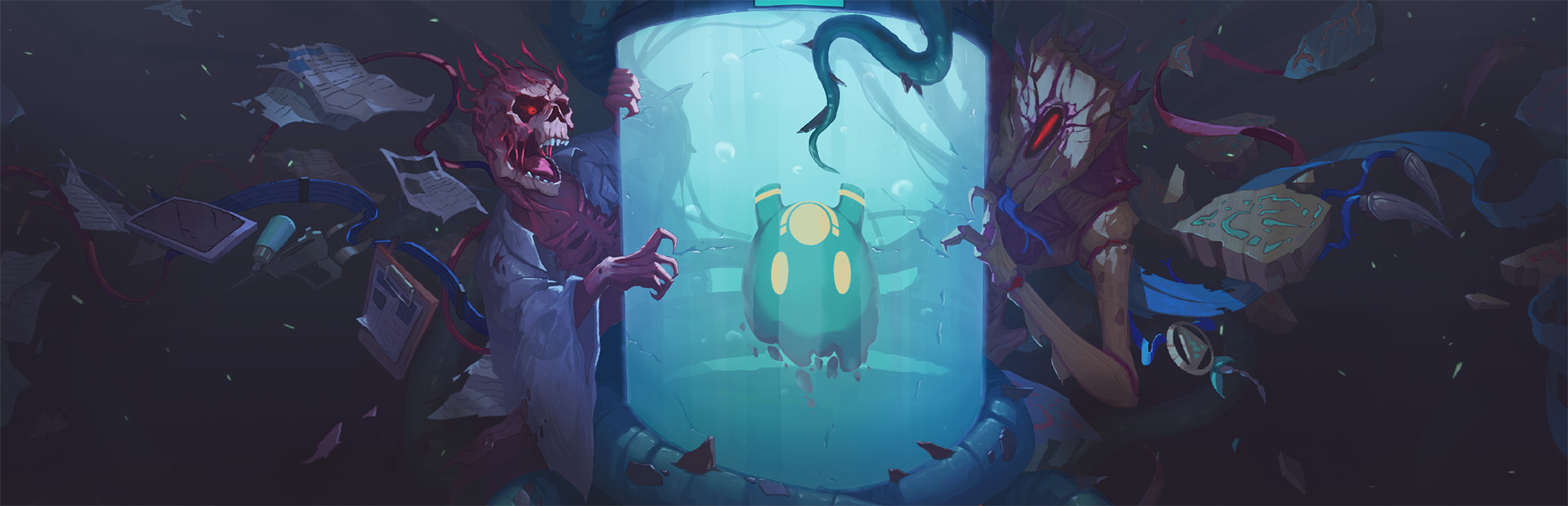
I have a soft spot for games that started as somebody's graduation project and somehow became something that outlasts the classroom. MO:Astray is one of those. Archpray Inc. began this as a student exercise in 2017, and what shipped on Steam in October 2019 is a pixel art action-platformer set inside a ruined science facility where the horror is quiet, personal, and surprisingly affecting. You play as MO, a sentient jelly-like organism with no mouth, no backstory, and no weapon worth mentioning. What MO does have is the ability to cling to any surface, leap between walls and ceilings, and most crucially, latch onto the heads of the mutated creatures that now fill every corridor - temporarily possessing them to open doors, hit switches, or just absorb the last ghost of a memory still clinging to their skulls. That memory mechanic is where the game quietly earns its keep. The story refuses to arrive in paragraphs. Instead it comes in fragments: a flashback from a dying researcher, a slime blob tucked inside a wall crack with a single haunted thought, a comic page between chapters that adds more questions than answers. The mystery involves a scientist named Elara Shelley, an experimental energy source called Extremergy Fluid, and a facility that collapsed inward on itself long before MO woke up. None of it is handed to you, and a few players will find that fragmentary structure maddening rather than alluring. That division is real and worth knowing about before you commit. Critics who pushed through praised the escalation; critics who bounced cited story threads that never fully resolved. The platforming itself spans six chapters, each of which genuinely feels like a different register of the same nightmare. Early sections are slow, atmospheric, almost Dead Space-adjacent. Later chapters accelerate into precision platforming, a mech sequence, and stretches that carry faint bullet-hell energy. New abilities arrive at a steady pace: the wall-cling and basic jump come first, then a dash, then a double jump, then a cloning mechanic that asks you to solve puzzles across two simultaneous bodies, and at one point MO rides floating gas bubbles across vertical shafts. The boss fights sit above the difficulty curve of everything else in the game - they are large, pattern-heavy, and at times spectacular - but the lack of any death penalty makes repeated attempts feel like practice rather than punishment. Checkpoints are generous throughout. Difficulty can be adjusted mid-run, including an accessibility tier added post-launch that rebalances level design rather than just reducing damage numbers, which shows care for players who want the story without the punishment. The pixel art deserves a separate sentence. Archpray chose clean, almost clinical linework over the dithered nostalgia most indie platformers reach for, and the result is something that reads less like retro homage and more like a graphic novel in motion. MO's bright silhouette against dark organic corridors is a consistent visual anchor. The sound design threads through all of it quietly and with purpose: soft squelching movement, ambient industrial drone, and a score that knows when to go still. Play with headphones. The one honest criticism I can offer is that some mid-game sections drag, and a handful of the environmental secrets visible in side alcoves turn out to contain nothing, which chips at the sense of craft that defines the best moments. The gore is also heavier than the aesthetic implies, something to note if that weighs on you. At roughly eight to ten hours for a full run, MO:Astray knows how long it needs to be. It does not outstay its welcome. For anyone drawn to atmospheric sci-fi horror, environmental storytelling, and a movement kit that feels genuinely novel rather than borrowed, this is the kind of small game that tends to stay with you longer than something three times its size.

Indie & narrative
Tags
System Requirements
Minimum
- OS
- Windows 7
- Memory
- 8 GB RAM
- DirectX
- Version 9.0c
- Storage
- 10 GB available space
- Graphics
- Intel HD Graphics 520
- Processor
- Intel Core i5-6200 CPU @ 2.3GHz
Recommended
- OS
- Windows 10
- Memory
- 8 GB RAM
- DirectX
- Version 11
- Storage
- 10 GB available space
- Graphics
- Nvida GTX 960
- Processor
- Intel Core i5-4210H CPU @ 2.9GHz
Keep exploring
Community Discussion
Be the first to comment on MO:Astray.
Reviews & Ratings
No ratings available
Game Info
- Developer
- Archpray Inc.
- Publisher
- Rayark International Limited
- Release Date
- Oct 24, 2019