MMORPG Tycoon 2
Running a pretend MMO from the inside out sounds like a niche joke until you spend three hours optimizing quest density per region and forget to eat dinner. Worth a look, but Early Access caveats apply.
GamerScout Verdict
Best for tycoon fans who want genuine systems depth and can tolerate Early Access pacing from a committed solo developer.
Compare Prices(4 stores)
Every store in this table quotes us in euros, so the EUR figure is the price the seller actually set, not our arithmetic — which is why EUR is also the currency we rank in. We only list an offer here when the store gives us its price in euros, so nothing in this table is a number we invented.
Pick USD, PLN, GBP, CAD or AUD in the header and we convert from EUR at the European Central Bank reference rate — converted amounts are prefixed with ~. Your bank or the store may apply a different rate at checkout. We never hide offers based on where you are: everyone sees this whole table.
We may earn a commission when you buy games through links on this page — at no extra cost to you. It never affects our rankings or verdicts.
Price History
Screenshots & Media
About MMORPG Tycoon 2
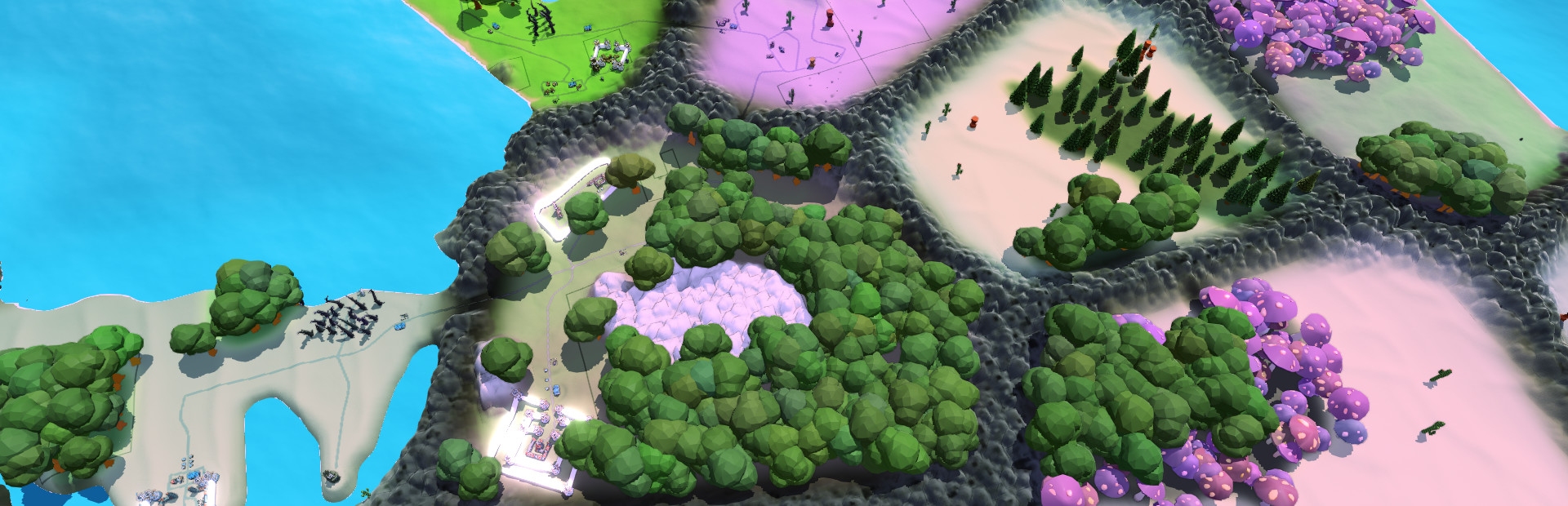
I pulled up MMORPG Tycoon 2 expecting a light god-game with a cute premise and left my first session having built a spreadsheet to track subscriber churn by zone level. That should tell you exactly what kind of rabbit hole this is. The core fantasy is that you are the developer, publisher, and GM of a fictional MMO, and the game takes that seriously enough to make it genuinely taxing to get right. The decision-making stack is deeper than the presentation lets on. You pick a business model first: a box-price-plus-subscription model, a free-to-play structure with microtransactions on potions and gear, or something in between. From there you are sculpting terrain on seed-generated maps, laying out starting towns, placing monster zones, setting respawn points, building inns and taverns at tactically useful distances from roads to prevent subscriber overcrowding, and then designing player classes and monsters from scratch with configurable cast times, cooldowns, ability ranges, and damage outputs. Getting that combat balance wrong is not abstract: your AI subscribers will level too slowly, unsub, and your revenue collapses. There is genuine feedback loop pressure here that tycoon fans will recognize and respect. The dungeon update added stacking status effects, area effect abilities, tank and healer party roles, and multi-phase boss fights, which meaningfully expanded class design options beyond the basic melee-caster split that defined the earlier builds. Where things get messy is on the edges. Subscriber AI can be sluggish about migrating to higher-level zones even when you have built them out correctly, which means early sessions can feel like you are fighting the simulation rather than designing around it. The progression mechanic that rewards every hundred in-game changes with a stat upgrade point has drawn real criticism from the community: the most efficient path to upgrades involves spamming minor edits rather than building thoughtfully, and that is a design tension that has not been fully resolved. The title is also a solo developer project, which means update velocity is measured in months rather than weeks. Players waiting for factions, guild systems, and world bosses have been patient for a long time. That said, the Steam review score sits at Very Positive across more than 1,600 reviews, and that signal is credible. The audience who connects with this game reports session counts in the dozens of hours. Reported playtime ranges from 40 to over 100 hours per campaign, with multiple game types offering meaningfully different experiences. The world-builder side, terrain sculpting, region color palettes, biome placement, and scenery scaling, is absorbing on its own even before the management layer kicks in. Reviewers consistently praise customization depth and the sheer variety of class archetypes you can construct. The soundtrack dynamically shifts based on which region type you are zoomed into, which is a small touch that does a lot for immersion at low cost. For strategy and sim players who have patience for Early Access pacing, this is a genuinely interesting project. Go in expecting a long-term save that rewards careful planning over rapid iteration. Read a beginner guide before your first run, specifically the overcrowding mechanics around NPC placement and starting zone sizing, because the tutorial undersells how fast things go wrong if you over-build your opening region. The mod ecosystem and Steam Workshop integration are still on the roadmap, so that ceiling has not arrived yet. What is here is already a solid foundation.

Strategy & simulation
Tags
System Requirements
Minimum
- OS
- Microsoft Windows XP or later (64-bit)
- Memory
- 8 GB RAM
- Storage
- 300 MB available space
- Graphics
- Discrete graphics card, support for OpenGL 3.3
- Processor
- Intel Core 2 Duo or equivalent
Recommended
- OS
- Microsoft Windows 7 or later (64-bit)
- Memory
- 16 GB RAM
- Storage
- 300 MB available space
- Graphics
- Discrete graphics card, support for OpenGL 3.3
- Processor
- Intel Core i5 or i7 or equivalent
Keep exploring
Community Discussion
Be the first to comment on MMORPG Tycoon 2.
Reviews & Ratings
No ratings available
Game Info
- Developer
- VectorStorm Pty Ltd
- Publisher
- VectorStorm Pty Ltd
- Release Date
- Jan 6, 2020