Mini Ghost
Two hours of genuine 80s MSX soul, a 100-room bot-infested space station, and a level editor that lets you torment your friends. Punches well above its sub-five-dollar weight class.
GamerScout Verdict
Worth grabbing for Ghost 1.0 fans and retro-metroidvania collectors; the level editor and troll mode add replay value the runtime alone cannot.
Compare Prices(5 stores)
Every store in this table quotes us in euros, so the EUR figure is the price the seller actually set, not our arithmetic — which is why EUR is also the currency we rank in. We only list an offer here when the store gives us its price in euros, so nothing in this table is a number we invented.
Pick USD, PLN, GBP, CAD or AUD in the header and we convert from EUR at the European Central Bank reference rate — converted amounts are prefixed with ~. Your bank or the store may apply a different rate at checkout. We never hide offers based on where you are: everyone sees this whole table.
We may earn a commission when you buy games through links on this page — at no extra cost to you. It never affects our rankings or verdicts.
Price History
Screenshots & Media
About Mini Ghost
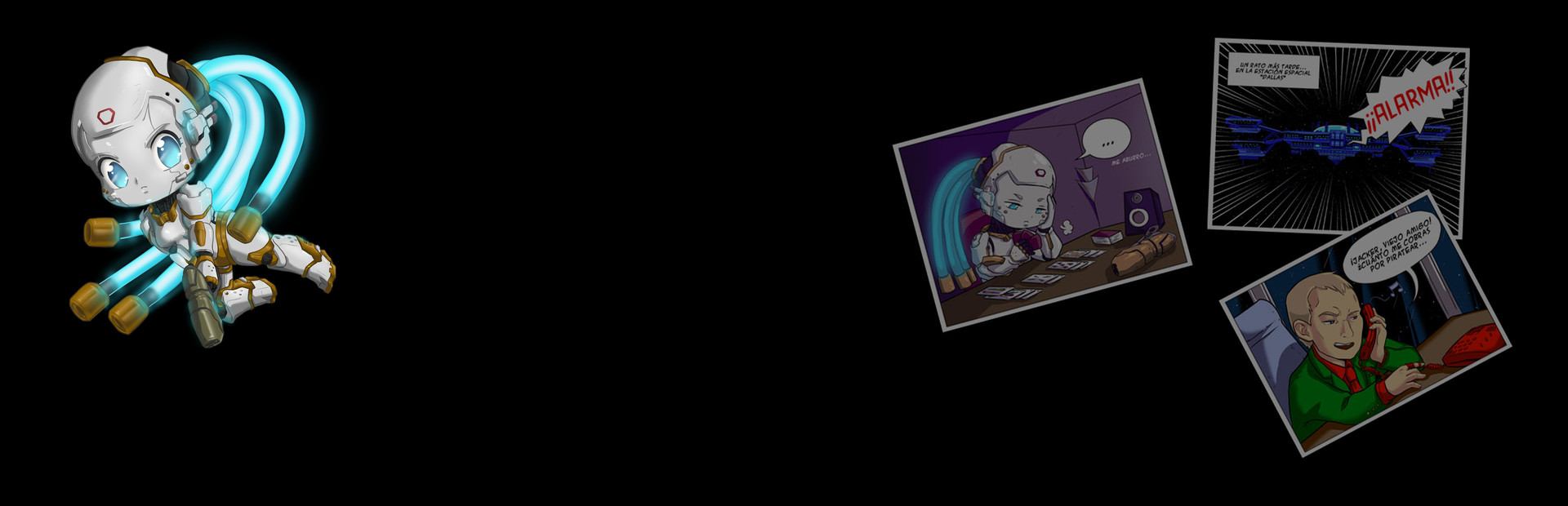
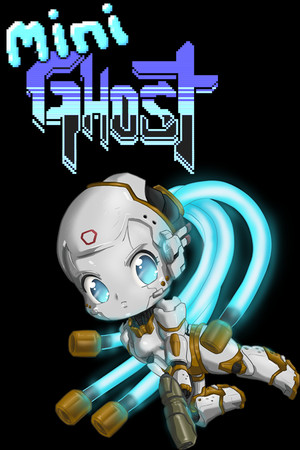
I have a soft spot for the kind of game that does exactly what it says and then quietly does a little more. Mini Ghost is that game. Francisco Téllez de Meneses, the one-person force behind Unepic and Ghost 1.0, built this as a prequel to Ghost 1.0 and released it with the aesthetic honesty of someone who actually loves the MSX era, not just the nostalgia currency it trades on. The garish palette, the chunky sprites, the PSG-flavored soundtrack looping on repeat - none of it feels like cosplay. It feels like a developer who understands the constraint and chooses it deliberately. The loop itself is classic metroidvania territory: Ghost, a cyborg operative sent by her handler Viktor to destroy a rogue computer aboard a space station, works her way through 100 rooms collecting card keys that unlock new zones, picking up sub-weapons and gear upgrades, and spending currency cubes at in-map shops. Shooting is locked to left and right in the Mega Man tradition, which sounds limiting until you realize the enemy variety is designed around that constraint rather than in spite of it. Robots, turrets, fire-breathing crocodinosaurs that are absolutely as ridiculous as they sound - each screen has its own texture. The save system is generous: clear a room of enemies and you can save anywhere, which smooths the retro difficulty without eliminating it. Where Mini Ghost earns its goodwill is in the small design courtesies. Locked areas are visually flagged so you know when to come back rather than brute-forcing a wall. Shops show remaining stock. The world map is readable. These are not accidents - they reflect a developer who has thought carefully about where old-school design philosophy serves the player and where it simply frustrates. The one genuine friction point, flagged by the community, is a key late-game item hidden behind a secret room guarded by a particularly punishing enemy. Procedurally that sequence can feel arbitrary in a game that otherwise communicates its logic well. It is a speed bump, not a dealbreaker. The Steam PC release adds a layer the original MSX cartridge never had: three editors (level, character, tileset) with Steam Workshop integration, a speedrun leaderboard, and a Twitch interaction mode that lets spectators spawn fake platforms and buff enemies to torment whoever is playing. That last feature alone tells you the tone. This is a game that knows it is small and leans into that identity with confidence rather than apology. At roughly two hours for a standard run, it respects your time in the way only a creator who planned the ending before the opening can. The soundtrack loops and gets repetitive over a longer sitting - headphone users on completionist runs will want to pair it with something else by hour two - but for a clean focused playthrough the PSG arrangements of Ghost 1.0 themes carry real charm.

Indie & narrative
Tags
System Requirements
Minimum
- OS
- Windows XP or later
- Memory
- 128 MB RAM
- DirectX
- Version 9.0
- Storage
- 20 MB available space
- Graphics
- 256MB VRAM (NVIDIA GeForce) There can be problems with INTEL graphic cards
- Processor
- Intel Celeron or better
Keep exploring
Community Discussion
Be the first to comment on Mini Ghost.
Reviews & Ratings
No ratings available
Game Info
- Developer
- @unepic_fran
- Publisher
- @unepic_fran
- Release Date
- Apr 28, 2017