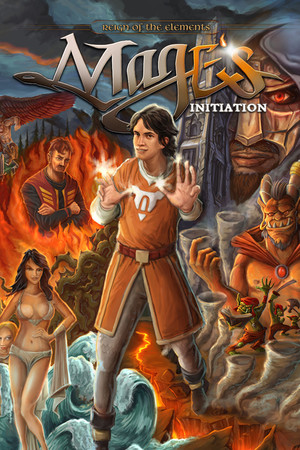
Mage's Initiation: Reign of the Elements
If you grew up drawing maps on graph paper for Quest for Glory, Himalaya Studios made this specifically for you - flaws and all.
GamerScout Verdict
Built for Quest for Glory devotees who can forgive repetitive combat in exchange for hand-crafted atmosphere and genuine replay variety across four elemental classes.
Compare Prices(3 stores)
Every store in this table quotes us in euros, so the EUR figure is the price the seller actually set, not our arithmetic — which is why EUR is also the currency we rank in. We only list an offer here when the store gives us its price in euros, so nothing in this table is a number we invented.
Pick USD, PLN, GBP, CAD or AUD in the header and we convert from EUR at the European Central Bank reference rate — converted amounts are prefixed with ~. Your bank or the store may apply a different rate at checkout. We never hide offers based on where you are: everyone sees this whole table.
We may earn a commission when you buy games through links on this page — at no extra cost to you. It never affects our rankings or verdicts.
Price History
Screenshots & Media
About Mage's Initiation: Reign of the Elements
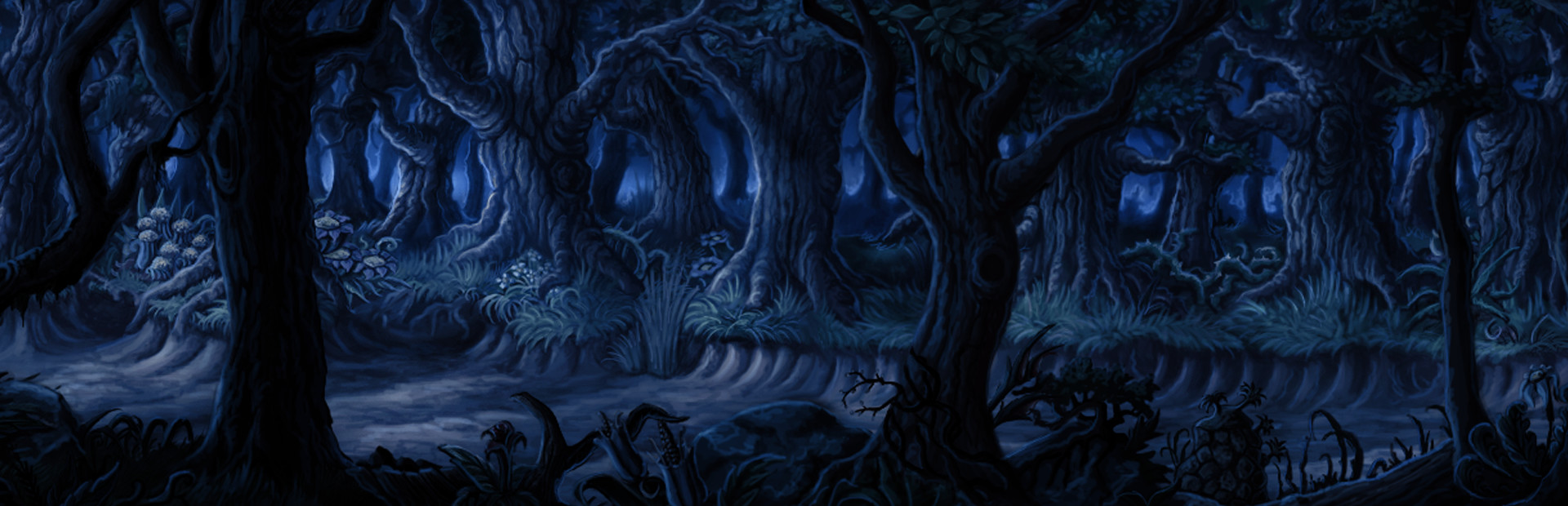
I spent a solid eleven hours with D'arc before the credits rolled, and the thing that stuck with me most was not the goblin-infested forests or the mountain-dwelling Flyterians - it was how sincerely this game wants to be a love letter. Himalaya Studios, whose roots go back to free AGS-engine remakes of King's Quest and Quest for Glory II, have channeled decades of Sierra reverence into a point-and-click RPG hybrid that wears its influences without any embarrassment. That earnestness is both its greatest charm and the lens through which its rougher edges have to be judged. The structure will feel immediately familiar to anyone who has touched a Sierra adventure. You pick your element - Fire, Water, Air, or Earth - through a personality questionnaire at the start, and that choice threads through everything: your combat spells, your puzzle toolkit, and even certain side quests are tuned to your school of magic. A water mage starts with an ice shard and a water shield; an earth mage opens with thrown rocks and an earthquake stun. The non-combat spells are where element choice matters most for puzzle-solving, since some environmental interactions are simply unavailable to certain classes, which is a genuine design strength and one of the cleaner replay hooks in recent adventure games. One playthrough is roughly ten to twelve hours; committing to all four elements could realistically give you twenty-five or more hours of varied content, with class-specific side quests making subsequent runs feel meaningfully different rather than just recycled. The world of Iginor has more moral texture than the premise suggests. The mages themselves, your supposed champions, carry histories that are far from clean, and the game quietly sketches a society of factions - giftless humans, Flyterians, rival goblin clans - where everyone has a grievance with someone. D'arc himself is an unusual protagonist for this kind of story: brash, a little arrogant, hungry for recognition in a way that never fully resolves. He is not the scrubbed heroic type, and that prickliness keeps dialogue scenes more interesting than they might otherwise be. The voice cast is large and mostly convincing, with over nine thousand lip-synced lines backing up a world that genuinely feels inhabited. The weaknesses are real, though, and they deserve plain description. Combat runs in real-time directly on the adventure screens, with spells assigned to number keys and enemies that will chase D'arc across multiple screens if he runs. In practice, encounters flatten out fast because spells are unlimited - fights become a rhythm of right-click targeting and waiting, and the boss encounters in particular drag on without adding tactical interest. The transition cutscenes between acts have been widely criticized for a cartoony visual style that clashes hard with the detailed painted backgrounds and character portraits that define the rest of the game's look. Keyboard movement is genuinely problematic, with characters snagging on geometry; mouse-point-to-move is the only reliable way to get around. There is also a puzzle or two built around locating specific, poorly marked points on open maps, which is exactly the kind of design that adventure game players have been complaining about since 1992. None of that undoes what the soundtrack does to the atmosphere. The music sits somewhere between orchestral fantasy and modern synth, and it shifts register beautifully across the desert wasteland, the Bloodbark Forest, and the lake crossing - each zone has its own sonic identity, unhurried and genuinely evocative. For someone like me who cares about whether a game's soundscape earns its setting, this one does. The pixel-art character animations are equally careful, especially the portrait work. This is a small studio making something with obvious craft, and that shows in every screen that is not a cutscene.

Indie & narrative
Tags
System Requirements
Minimum
- OS
- Windows XP or higher
- Memory
- 64 MB RAM
- DirectX
- Version 8.0
- Storage
- 2 GB available space
- Graphics
- 640x400, 32-bit color, 700 Mhz
- Processor
- Pentium or higher
- Sound Card
- All DirectX-compatible sound cards
Recommended
- OS
- Windows XP or higher
- Memory
- 128 MB RAM
- DirectX
- Version 8.0
- Storage
- 2 GB available space
- Graphics
- 1280x800, 32-bit color, 1200 Mhz
- Processor
- Pentium or higher
- Sound Card
- All DirectX-compatible sound cards
Keep exploring
Community Discussion
Be the first to comment on Mage's Initiation: Reign of the Elements.
Reviews & Ratings
Game Info
- Developer
- Himalaya Studios
- Publisher
- Himalaya Studios
- Release Date
- Jan 30, 2019