MADiSON
Possibly the most physiologically effective horror game built by a two-person team, MADiSON earns its scares honestly, but its puzzle logic will push patient players to a walkthrough more than once.
GamerScout Verdict
Best for dedicated horror fans who can tolerate a walkthrough assist; the camera mechanic and sound design punch well above the budget.
Compare Prices(5 stores)
Every store in this table quotes us in euros, so the EUR figure is the price the seller actually set, not our arithmetic — which is why EUR is also the currency we rank in. We only list an offer here when the store gives us its price in euros, so nothing in this table is a number we invented.
Pick USD, PLN, GBP, CAD or AUD in the header and we convert from EUR at the European Central Bank reference rate — converted amounts are prefixed with ~. Your bank or the store may apply a different rate at checkout. We never hide offers based on where you are: everyone sees this whole table.
We may earn a commission when you buy games through links on this page — at no extra cost to you. It never affects our rankings or verdicts.
Price History
Screenshots & Media
About MADiSON
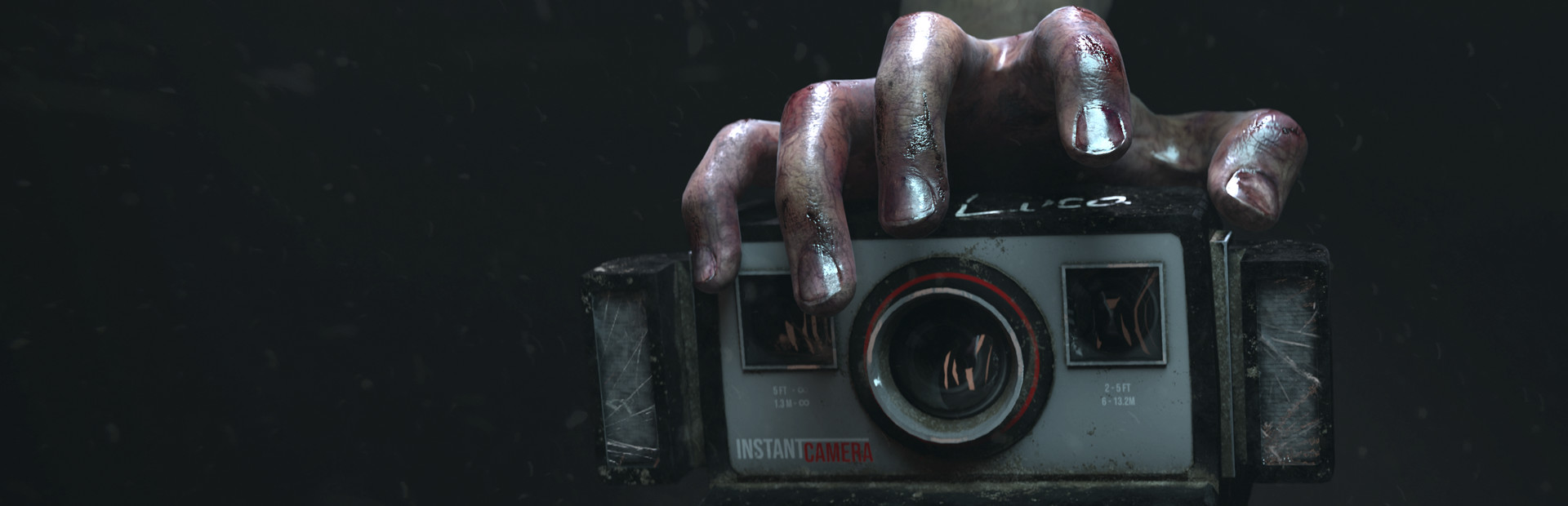
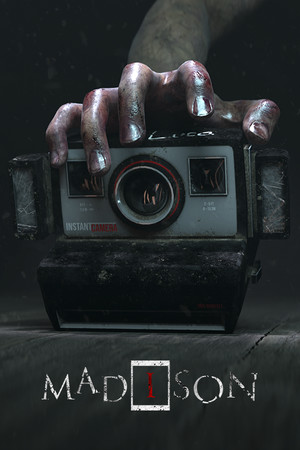
My usual wheelhouse is grand strategy and colony sims, so when I tell you MADiSON genuinely rattled me, take that as signal. This is a first-person horror game set almost entirely inside a shifting, rule-breaking house, and it does one thing with unusual discipline: it never lets the tension breathe long enough for you to feel safe. You play as Luca, a teenager caught in a demonic ritual tied to three separate entities, including a serial killer called Madison Hale, a children's book demon known as Blue Knees, and a WWII-era figure named Hans Gouring. The connective tissue between those three threads is loose enough to frustrate players who want a watertight story, but the atmosphere those segments generate is hard to dismiss. The central mechanic is a Polaroid-style instant camera, and it does real work beyond being a prop. You use the camera flash to see in pitch-black rooms since Luca has no flashlight, you photograph objects to unlock puzzle steps, and at certain moments the camera lets you bridge time periods entirely, pulling elements from the beyond into the present. When the game uses that mechanic to build dread rather than just solve gates, it is quietly brilliant. Snapping a photo of a dark hallway and waiting for the image to develop, not knowing what detail will appear on it, is a more effective tension device than most big-budget horror games manage. The sound design backs this up completely: the 3D audio makes creaking floors and slamming doors feel spatially real, and the dynamically randomised scares mean the house never fully telegraphs its next move. Here is where the strategy analyst in me has to be blunt about the numbers, though. You are working with an eight-slot inventory, of which your camera, journal, and developed photos permanently occupy several slots, leaving you effectively three to five free spaces. Backtracking to the handful of storage lockboxes strewn around the map becomes a routine chore, and Luca moves slowly enough that every round trip costs time and immersion. The puzzles themselves range from genuinely satisfying environmental logic, such as arranging planetary plates in order, to solutions so opaque that the intended path feels arbitrary rather than earned. Multiple reviewers and players across the community flagged the same wall: stretches of thirty or more minutes stuck not because the game is hard, but because the hint language is simply unclear. A wiki tab is almost a required companion for a first playthrough, and that is a real friction point. The jump scare economy also runs a deficit by the back half of the game. Early scares land because they are unpredictable; later ones recycle the same audio cues until you stop flinching and start rolling your eyes. The story's three-demon structure, while atmospheric in isolation, never coheres into a satisfying explanation for why all these entities converge on Luca at once. That said, the game maintains its pacing from opening to credits without the dreaded second-act slump, which is genuinely rare. A study by Broadband Choices that measured player heart rates across dozens of horror titles ranked MADiSON above established franchises in raw physiological impact, which is an odd but telling data point for a debut indie release built by essentially two people. For horror fans who prefer atmosphere and puzzle-solving over combat, MADiSON is worth the session. Go in knowing you will likely consult a guide at least twice, accept the inventory friction as a design quirk rather than a deal-breaker, and play in the dark with headphones. The camera mechanic alone is worth studying for anyone interested in how a single tool can carry an entire game's design language. First-timers to the genre should probably start with something slightly more legible, but dedicated horror players will find enough genuine craft here to respect what Bloodious Games built.

Strategy & simulation
Tags
System Requirements
Minimum
- OS
- WINDOWS® 7, 8, 8.1, 10, 11
- Memory
- 6 GB RAM
- DirectX
- Version 10
- Storage
- 10 GB available space
- Graphics
- NVIDIA® GeForce® GTX 950 or AMD Radeon™ R7 370
- Processor
- Intel® Core™ i3 or AMD Ryzen™ 3
Recommended
- OS
- Windows 10
- Memory
- 8 GB RAM
- Storage
- 10 GB available space
- Graphics
- NVIDIA® GeForce® GTX 1060 or AMD Radeon™ RX 480
- Processor
- Intel® Core™ i5 or AMD Ryzen™ 5
Keep exploring
Community Discussion
Be the first to comment on MADiSON.
Reviews & Ratings
Game Info
- Developer
- BLOODIOUS GAMES
- Publisher
- BLOODIOUS GAMES
- Release Date
- Jul 7, 2022

