MacGuffin's Curse
A Sokoban-hearted comedy puzzler where pushing crates gets away with murder because the writing is genuinely funny and the werewolf form-swap gives every room a second layer of logic.
GamerScout Verdict
Worth it for puzzle fans who read flavour text; skip if block-pushing fatigue sets in fast or you need voice acting to stay engaged.
Compare Prices(3 stores)
Every store in this table quotes us in euros, so the EUR figure is the price the seller actually set, not our arithmetic — which is why EUR is also the currency we rank in. We only list an offer here when the store gives us its price in euros, so nothing in this table is a number we invented.
Pick USD, PLN, GBP, CAD or AUD in the header and we convert from EUR at the European Central Bank reference rate — converted amounts are prefixed with ~. Your bank or the store may apply a different rate at checkout. We never hide offers based on where you are: everyone sees this whole table.
We may earn a commission when you buy games through links on this page — at no extra cost to you. It never affects our rankings or verdicts.
Price History
Screenshots & Media
About MacGuffin's Curse
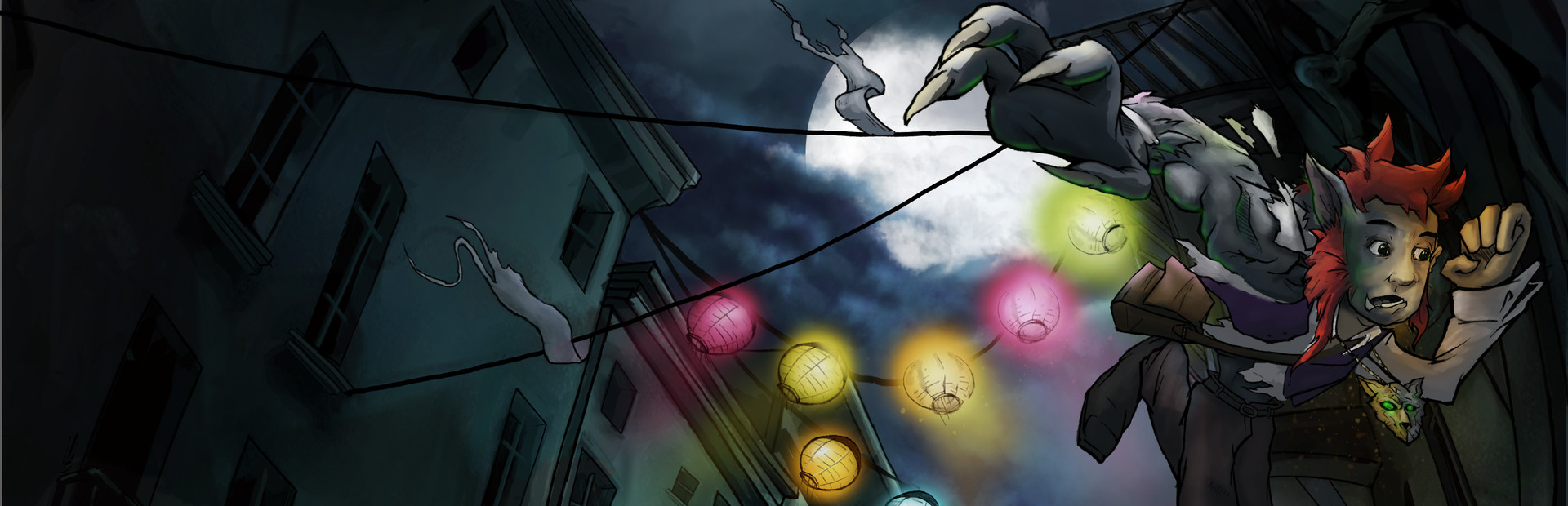
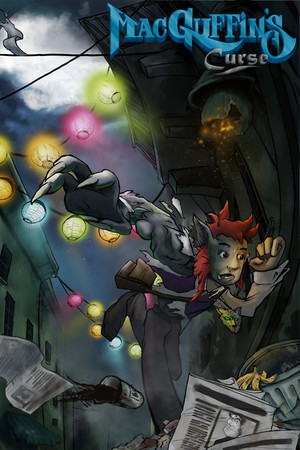
I have a soft spot for games that find one humble mechanic and then squeeze every possible idea out of it without apology. MacGuffin's Curse is exactly that kind of game, and after spending several hours in the City of Feyre with a reluctant magician-thief-lycanthrope named Lucas, I came away genuinely fond of it in a way a Metacritic 73 does not fully predict. The setup is pure noir-comedy: Lucas MacGuffin bungles a museum heist, accidentally bonds himself to the Lupine Twine Amulet, and winds up with the worst body-hair problem in recorded history, plus an entire city in security lockdown hunting him down. What that means mechanically is that almost every room in the city is a self-contained block puzzle. You push batteries onto floor sockets to unlock doors, navigating tight grids of crates, switches, water channels, and one-way barriers. It is Sokoban ancestry worn openly, somewhere between Chip's Challenge and a combat-stripped top-down Zelda. The twist that elevates it above the template is the dual-form system. As human Lucas, you can swim, activate panels, open safes, and squeeze through windows. Shift into werewolf by stepping into a moonlit patch and you gain the muscle to shove heavy silver crates and break certain barriers, but your big lupine paws cannot work a switch or paddle through water. Puzzles are designed around forcing you to plan your transformations as carefully as your block movements, and the later rooms layer in change-tiles that only transform you one direction, adding genuine constraint to what form you can be in at which stage of a solution. The game was awarded the Freeplay Award for Best Game Writing, and the recognition is earned. Lucas has a wry comment for nearly every object you examine, NPCs have actual personalities rather than just serving as hint dispensaries, and the plot involving corrupt billionaire Alphonse Connell escalates into satisfying, properly silly territory. Collecting evidence for an investigative journalist, running side quests for the Gypsy District locals, slowly furnishing Lucas's apartment for his daughter and elderly mother: these threads give the city texture that pure puzzle design never could. There are over 150 rooms, plus side missions, and reviewers have clocked completionist runs at close to ten hours. The caveats are real, though, and worth stating plainly. The puzzle formula does start to feel repetitive in the back third. Some sequences become fiddly rather than clever, where the solution is obvious but executing it involves walking around a block half a dozen times to line up the correct pushing angle. The character animations are basic by any standard, and the absence of voice acting is a noticeable gap given how much personality the writing has on the page. The hint system, handled by a sarcastic ex-cop named Strump, is generous enough that you can call for graduated tips or skip a room entirely, which keeps frustration low but also lets you accidentally undercut your own satisfaction. And if block-pushing puzzles as a genre hold no appeal for you whatsoever, the comedy writing alone will not carry you through 150-plus rooms of them. What MacGuffin's Curse does right is the quieter craft: hand-drawn environments with genuine character, a soundtrack that sits in the background doing its atmospheric job without announcing itself, collectible comic-strip pages that expand the world's backstory for completionists, and a progress meter that nudges you toward hidden Easter eggs without demanding you find them. Brawsome built a small world that clearly meant something to them, and that intentionality comes through. For players who liked the puzzle-adventure hybrid of classic point-and-clicks but want something with fewer moon-logic inventory puzzles and more grid-logic brain teasers, this one holds up quietly well.

Indie & narrative
Tags
System Requirements
Minimum
- OS
- Windows XP
- Memory
- 256 MB RAM
- Graphics
- 256MB VRAM
- DirectX®
- 9.0c
- Hard Drive
- 350 MB HD space
Recommended
- OS
- Windows 7
- Memory
- 512 MB RAM
- Graphics
- 512MB VRAM
- DirectX®
- 9.0c
- Hard Drive
- 415 MB HD space
Keep exploring
Community Discussion
Be the first to comment on MacGuffin's Curse.
Reviews & Ratings
Game Info
- Developer
- Brawsome
- Publisher
- Brawsome
- Release Date
- Apr 19, 2012