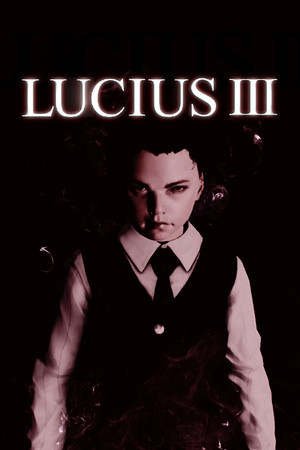
Lucius III
If you love rough-edged horror that trips over its own ambition, this conclusion to the Lucius trilogy will haunt you - mostly for the wrong reasons, but occasionally for the right ones.
GamerScout Verdict
Worth it only for invested series fans willing to tolerate significant bugs and an open world that never quite fills itself in.
Compare Prices(5 stores)
Every store in this table quotes us in euros, so the EUR figure is the price the seller actually set, not our arithmetic — which is why EUR is also the currency we rank in. We only list an offer here when the store gives us its price in euros, so nothing in this table is a number we invented.
Pick USD, PLN, GBP, CAD or AUD in the header and we convert from EUR at the European Central Bank reference rate — converted amounts are prefixed with ~. Your bank or the store may apply a different rate at checkout. We never hide offers based on where you are: everyone sees this whole table.
We may earn a commission when you buy games through links on this page — at no extra cost to you. It never affects our rankings or verdicts.
Price History
Screenshots & Media
About Lucius III
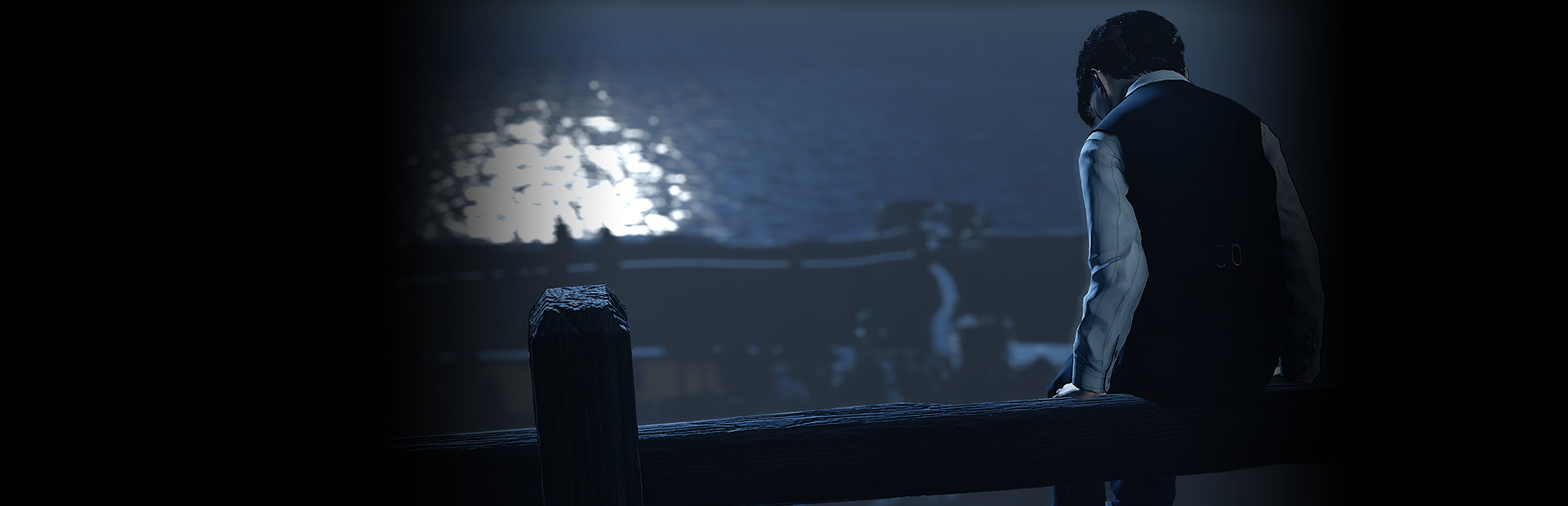
I have a soft spot for small studios that swing for something genuinely strange, and Shiver Games has always swung strange. Lucius III is the closing chapter of a trilogy about a demonic child murdering his way toward the apocalypse, and walking into it as a series fan, I wanted to see the story land. It doesn't quite land. But the attempt is worth understanding before you decide whether to follow it down. The shift in structure is the first thing you notice. The earlier games were essentially contained killing puzzles - tight, mean, and weirdly satisfying when the dominoes fell. Here, Shiver abandoned that in favor of a third-person open-world set in the coastal town of Winter Hill. Lucius arrives with a sacred scroll bearing seven seals he must break, and the goal is to work through a series of chapter-locked objectives while exploring the environment. On paper, that sounds like a reasonable evolution. In practice, the open world is sparse and airless - streets without people, forests padded with pop-in trees, no real sense that anyone lives in this town beyond the targets written into the script. You can fast-travel once you discover locations on foot, or shift into crow form to fly across the map, but the crow controls are genuinely difficult to manage and the camera fights you the whole time. The early hours especially drag, because Lucius moves at a pace that makes exploration feel like a chore before you unlock shortcuts. The investigation and puzzle side of things does flicker with the old series energy. Working out how to reach and eliminate specific targets through environmental interaction and demonic powers still produces a few memorable moments, and the death scenes have a dark theatrical quality that fans of the first game will recognize. The soundtrack, composed again by Johannes Aikio, carries the atmospheric weight the visuals cannot - a low, ominous score that does most of the heavy lifting for tension. Voice acting is stiff and lip-sync issues are frequent, but these have been part of the series' texture since the beginning, and at this point they almost register as character. What is harder to forgive is the bug density. Journal entries that fail to update after objectives complete, chapter-skipping glitches, and a save system that can misalign task states across reloads - some of these were patched post-launch, but the game's Steam reception settled at a mixed 53% positive across over a thousand reviews, and that number tells you patches did not fully resolve the friction. The story, which should be the reason to reach the end of a closing chapter, is unfortunately the weakest it has been across the three games. The plot moves Lucius from set piece to set piece through a companion character whose motivations feel disconnected, and the chapter structure funnels you forward through cutscenes before you have time to experiment with the kills on your own terms. For a series that built its identity on player-authored cruelty, that linearity stings. The developer, a Helsinki studio that has been quiet since this release, clearly had real ambitions for what an open Lucius world could be. The bones are there. The execution ran out of time, or resources, or both. Lucius III is a game I hold with complicated feelings. It closes a genuinely odd trilogy, and completionists or series fans will want to see it through, bugs and all. New players should start with the first game and decide from there. As a standalone experience for someone searching for a tight, polished horror adventure - this is not that game. But as a flawed farewell to a small, weird world that never got its due? There is something quietly affecting about that, even if the game itself cannot fully articulate it.

Indie & narrative
Tags
System Requirements
Minimum
- OS
- Windows 7 64 bit
- Memory
- 8 GB RAM
- DirectX
- Version 9.0
- Storage
- 25 GB available space
- Graphics
- Geforce GTX 660
- Processor
- i5
- Sound Card
- DirectX compatible
Recommended
- OS
- Windows 10 64 bit
- Memory
- 16 GB RAM
- DirectX
- Version 12
- Storage
- 25 GB available space
- Graphics
- Geforce GTX 980 Ti
- Processor
- i7
- Sound Card
- DirectX compatible
DLC & Add-ons for Lucius III1
Expansions, DLC packs and add-on content for this game. Click any item to see store offers.
Keep exploring
Community Discussion
Be the first to comment on Lucius III.
Reviews & Ratings
No ratings available
Game Info
- Developer
- Shiver Games
- Publisher
- Shiver Games
- Release Date
- Dec 13, 2018