
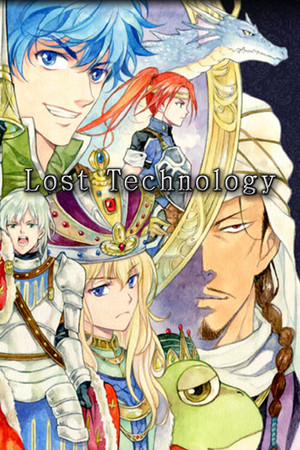
Lost Technology
Twelve factions, a post-apocalyptic fantasy world, and enough comrade-recruiting depth to justify multiple playthroughs - do not let the dated visuals scare you off this one.
GamerScout Verdict
Best for grand-strategy fans who can stomach a rough UI and are willing to mine community guides to unlock the game's real depth.
Compare Prices(4 stores)
Every store in this table quotes us in euros, so the EUR figure is the price the seller actually set, not our arithmetic — which is why EUR is also the currency we rank in. We only list an offer here when the store gives us its price in euros, so nothing in this table is a number we invented.
Pick USD, PLN, GBP, CAD or AUD in the header and we convert from EUR at the European Central Bank reference rate — converted amounts are prefixed with ~. Your bank or the store may apply a different rate at checkout. We never hide offers based on where you are: everyone sees this whole table.
We may earn a commission when you buy games through links on this page — at no extra cost to you. It never affects our rankings or verdicts.
Price History
Screenshots & Media
About Lost Technology
My first instinct when I loaded Lost Technology was to close it. The sprites look like they belong in a 2009 Japanese freeware release - which, to be fair, is exactly what this game's DNA comes from, rooted in Vahrenturga, a title that won a Japanese freeware contest that year and racked up over 200,000 downloads. Get past that aesthetic wall and what opens up is a surprisingly layered grand-strategy wargame that cycles between three distinct phases: a turn-based campaign map where you recruit troops, negotiate alliances, and marshal your forces; a real-time battle layer where terrain, formation, and unit composition actually matter; and story event sequences that shift based on the faction you chose at the start. That three-phase loop is tighter than it has any right to be at this price point. The faction system is where most of the replayability lives. Twelve campaigns - Alfheim, Makan, the Reinald Empire, the Kingdom of Gug, Castus, the Dragon Knights of Fevnr, and six more - each deliver a separate story with its own characters and ending conditions. The Kingdom of Gug scenario was penned by Hato Moa, creator of Hatoful Boyfriend, which tells you something about the tonal range on offer: musical warrior frogs sit a few map tiles away from demon factions and gun-toting musketeers. Each campaign plays differently because your available unit roster is tied to which comrades you recruit, and comrades - the game's named hero-commanders - function as both battle assets and gatekeepers to specific troop types. Figuring out optimal comrade acquisition routes is where the real strategic thinking kicks in, and the Steam community has put serious hours into charting affinity paths and squad skill synergies. The combat layer rewards attention to anti-stat management more than raw numbers. Units can train on idle turns to level up toward the faction's current average, which gives you a genuine reason to plan your campaign map pacing rather than just throwing bodies at the nearest territory. Diplomacy is genuinely dangerous: alliances break without warning, and a former ally can flip and hit multiple territories in a single turn, turning a comfortable mid-game into a currency crisis fast. On easy mode this still bites hard; four difficulty settings mean the ceiling is real. The AI is not sophisticated by modern standards, but it is aggressive and opportunistic enough to punish passive play. Where Lost Technology falls short is in onboarding. The in-game tutorial is thin, and a lot of the system depth - leader skills versus assist skills, anti stats, the mercenary freelancer mode, the dungeon-crawl random mode unlocked after certain conditions - is discovered through community guides rather than the game itself. The unofficial manual translation pinned in the Steam guides section is close to mandatory reading. Visually, nothing here will impress anyone raised on modern production values, and the voice acting, sparse as it is, stays in Japanese throughout. These are not dealbreakers, but they are friction points that will filter out players with low tolerance for rough-around-the-edges indie imports. For strategy players willing to read a community guide before session one, Lost Technology delivers genuine faction asymmetry, meaningful comrade-building decisions, and enough distinct campaigns to sustain well beyond a first run. The low price means the risk-to-reward ratio sits firmly in the player's favor.

Strategy & simulation
Tags
System Requirements
Minimum
- OS
- Windows Xp Vista 7
- Memory
- 512 MB RAM
- Graphics
- DirectX 9.0c
- Processor
- Pentium4
Keep exploring
Community Discussion
Be the first to comment on Lost Technology.
Reviews & Ratings
No ratings available
Game Info
- Developer
- Studio 4D
- Publisher
- PLAYISM
- Release Date
- Aug 9, 2017