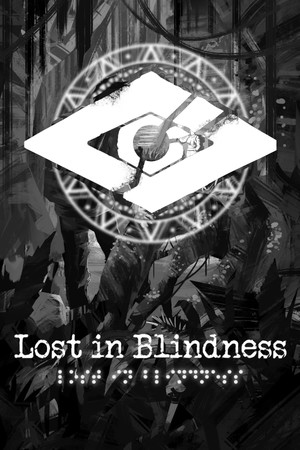
Lost in Blindness
Close your eyes, put on headphones, and follow a blind archaeologist through an Amazon temple using nothing but sound. Few indie games ask this much of your ears, and fewer still pull it off.
GamerScout Verdict
Best for curious players willing to trade the screen for headphones and a genuinely unsettling sense of spatial disorientation.
Compare Prices(9 stores)
Every store in this table quotes us in euros, so the EUR figure is the price the seller actually set, not our arithmetic — which is why EUR is also the currency we rank in. We only list an offer here when the store gives us its price in euros, so nothing in this table is a number we invented.
Pick USD, PLN, GBP, CAD or AUD in the header and we convert from EUR at the European Central Bank reference rate — converted amounts are prefixed with ~. Your bank or the store may apply a different rate at checkout. We never hide offers based on where you are: everyone sees this whole table.
We may earn a commission when you buy games through links on this page — at no extra cost to you. It never affects our rankings or verdicts.
Price History
Screenshots & Media
About Lost in Blindness
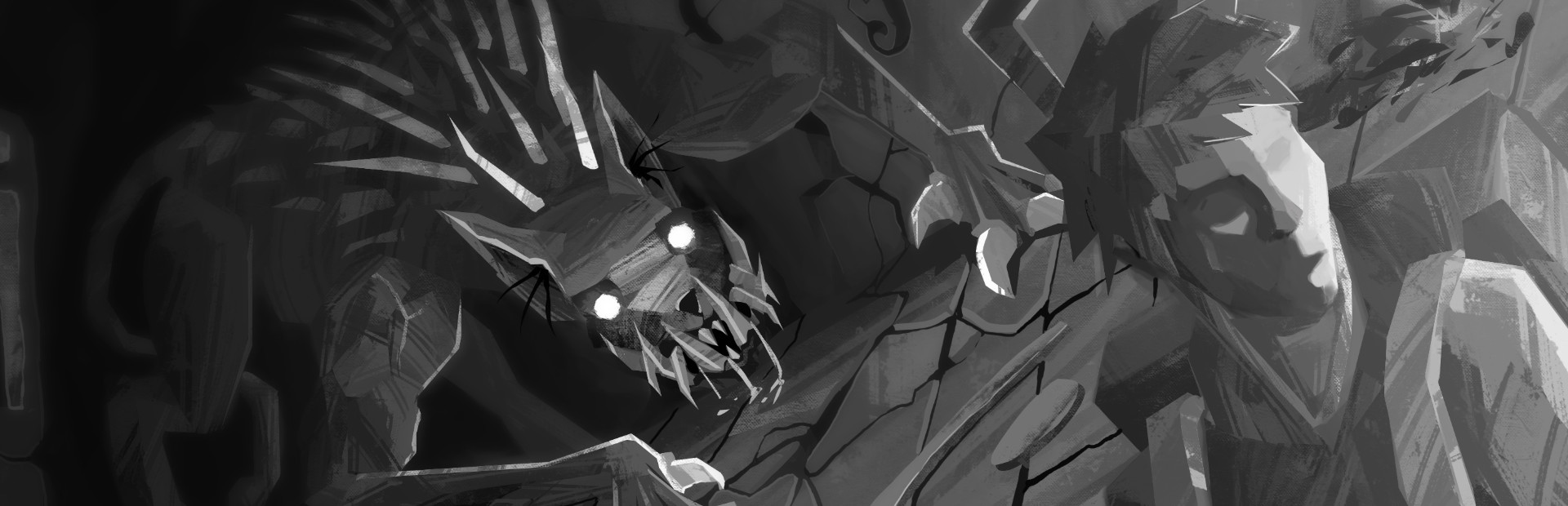
I keep coming back to the small games that ask a genuinely strange question and then commit to the answer fully. Lost in Blindness asks: what if the screen went dark permanently, and the only way forward was listening? That is not a gimmick bolted onto a conventional adventure. It is the architecture of everything here, and once you accept it, the experience is quietly astonishing. You play as Alex, a blind archaeologist who stumbles into an ancient Mayan temple somewhere in the Amazon. The studio, Unseen Interactive, is a small French outfit, and this feels like the work of people who care deeply about a specific, underserved audience while also wanting to pull curious sighted players into unfamiliar territory. The whole game is navigated by ear. Binaural audio does the spatial heavy lifting, meaning headphones are not optional, they are the entire display. Rustling grass tells you where the path is. Companion voices tell you what the room looks like. Alex narrates the objects he touches. When you lose your bearings, you truly feel lost, which is uncomfortable and intentional. Structurally it is a story-driven adventure with a chapter-based layout, a choice-based dialogue system that branches the narrative, and occasional action sequences the game labels exactly that. The action sections are sparse, mostly evasion and infiltration rather than combat, and they sit inside a framework that is primarily about listening and deciding. The voice work for the two leads, Alex and Laura, is the load-bearing element of the whole production, and it mostly holds. Reviewers in the audio-gaming community have called it among the better examples of the format. A separate Steam reviewer with forty years of gaming history called it "a truly original experience," though the same reviewer flagged repetition and uneven performances from the supporting cast as genuine weaknesses. Those criticisms are fair. Minor characters feel thin, and a few mechanical edges are rough, including a non-skippable audio calibration at startup and no indication of how many chapters remain. What the game gets right is restraint. The sound design serves the story rather than performing virtuosity for its own sake, which is a real problem in audio-only games and one that Lost in Blindness mostly avoids. The Streamer Mode is a thoughtful touch: it renders the otherwise invisible 3D environment in monochrome for viewers watching a live stream, turning the blindfolded-player format into something genuinely watchable. Accessibility is also built in from first principles rather than added as an afterthought, with Braille menus appearing once Alex loses his sight in the story, and full gamepad support that actually works end to end. This is not a long game and it is not a polished one by mainstream standards. But it knows what it is. If you are willing to sit in darkness with good headphones and let a small French studio guide you through a Mayan ruin using nothing but spatial audio and two characters whose relationship slowly complicates, there is something genuinely moving buried in here. The demo is free and the full version is cheap. Try the demo first. You will know within twenty minutes whether this is your kind of silence.

Indie & narrative
Tags
System Requirements
Minimum
- OS
- Windows 7 (SP1+) - Windows 10
- Memory
- 2 GB RAM
- DirectX
- Version 10
- Storage
- 1 GB available space
- Processor
- x64 bits - SSE2
Recommended
Requires a 64-bit processor and operating system
Keep exploring
Community Discussion
Be the first to comment on Lost in Blindness.
Reviews & Ratings
No ratings available
Game Info
- Developer
- Unseen Interactive
- Publisher
- Unseen Interactive
- Release Date
- May 17, 2021